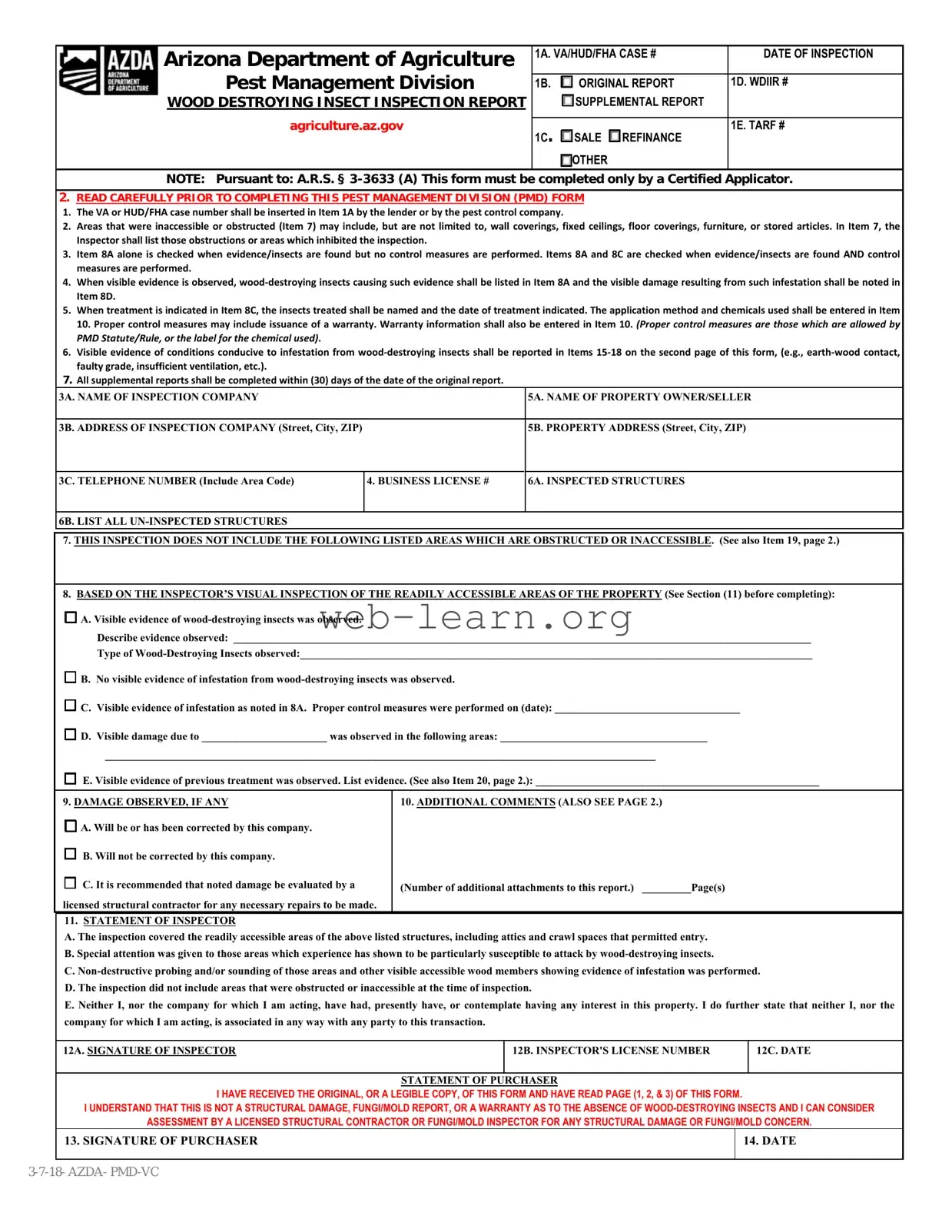
The Wood Destroying Insect Inspection Report (WDIIR) form, utilized in Arizona, plays a crucial role in real estate transactions, particularly for properties undergoing sale or refinance. This form, mandated by the Arizona Department of Agriculture, ensures that a certified applicator conducts a thorough inspection of the property for evidence of wood-destroying insects. The report includes essential details such as the VA/HUD/FHA case number, the date of inspection, and the property address. Inspectors are required to document any inaccessible areas, such as wall coverings or fixed ceilings, which may hinder a comprehensive evaluation. The form also delineates the findings related to visible evidence of infestation, specifying whether control measures were applied. Furthermore, it mandates reporting conditions conducive to infestations, such as wood-to-earth contact or excessive moisture. The inspector’s signature and license number affirm the report's validity, while the purchaser's acknowledgment underscores the importance of understanding the limitations of the inspection. Timely completion of supplemental reports within 30 days of the original inspection is also emphasized, ensuring that all parties are kept informed of the property's condition. Given the potential ramifications of wood-destroying insects on property value and safety, understanding the WDIIR form is essential for both buyers and sellers in Arizona's real estate market.
Arizona Department of Agriculture |
1A. VA/HUD/FHA CASE # |
DATE OF INSPECTION |
Pest Management Division |
1B. □ ORIGINAL REPORT |
1D. WDIIR # |
WOOD DESTROYING INSECT INSPECTION REPORT |
□SUPPLEMENTAL REPORT |
|
agriculture.az.gov |
1C. □SALE □REFINANCE |
1E. TARF # |
|
|
|
|
□OTHER |
|
NOTE: Pursuant to: A.R.S. § |
||
2.READ CAREFULLY PRIOR TO COMPLETING THIS PEST MANAGEMENT DIVISION (PMD) FORM
1.The VA or HUD/FHA case number shall be inserted in Item 1A by the lender or by the pest control company.
2.Areas that were inaccessible or obstructed (Item 7) may include, but are not limited to, wall coverings, fixed ceilings, floor coverings, furniture, or stored articles. In Item 7, the Inspector shall list those obstructions or areas which inhibited the inspection.
3.Item 8A alone is checked when evidence/insects are found but no control measures are performed. Items 8A and 8C are checked when evidence/insects are found AND control measures are performed.
4.When visible evidence is observed, wood‐destroying insects causing such evidence shall be listed in Item 8A and the visible damage resulting from such infestation shall be noted in Item 8D.
5.When treatment is indicated in Item 8C, the insects treated shall be named and the date of treatment indicated. The application method and chemicals used shall be entered in Item 10. Proper control measures may include issuance of a warranty. Warranty information shall also be entered in Item 10. (Proper control measures are those which are allowed by PMD Statute/Rule, or the label for the chemical used).
6.Visible evidence of conditions conducive to infestation from wood‐destroying insects shall be reported in Items 15‐18 on the second page of this form, (e.g., earth‐wood contact, faulty grade, insufficient ventilation, etc.).
7.All supplemental reports shall be completed within (30) days of the date of the original report.
3A. NAME OF INSPECTION COMPANY
3B. ADDRESS OF INSPECTION COMPANY (Street, City, ZIP)
5A. NAME OF PROPERTY OWNER/SELLER
5B. PROPERTY ADDRESS (Street, City, ZIP)
3C. TELEPHONE NUMBER (Include Area Code)
4. BUSINESS LICENSE #
6A. INSPECTED STRUCTURES
6B. LIST ALL
7.THIS INSPECTION DOES NOT INCLUDE THE FOLLOWING LISTED AREAS WHICH ARE OBSTRUCTED OR INACCESSIBLE. (See also Item 19, page 2.)
8.BASED ON THE INSPECTOR’S VISUAL INSPECTION OF THE READILY ACCESSIBLE AREAS OF THE PROPERTY (See Section (11) before completing):
□A. Visible evidence of
Describe evidence observed: __________________________________________________________________________________________________________
Type of
□B. No visible evidence of infestation from
□C. Visible evidence of infestation as noted in 8A. Proper control measures were performed on (date): __________________________________
□D. Visible damage due to _______________________ was observed in the following areas: ______________________________________
_____________________________________________________________________________________________________
□E. Visible evidence of previous treatment was observed. List evidence. (See also Item 20, page 2.): ____________________________________________________
9. DAMAGE OBSERVED, IF ANY |
10. ADDITIONAL COMMENTS (ALSO SEE PAGE 2.) |
□A. Will be or has been corrected by this company.
□B. Will not be corrected by this company.
□ C. It is recommended that noted damage be evaluated by a |
(Number of additional attachments to this report.) _________Page(s) |
licensed structural contractor for any necessary repairs to be made.
11.STATEMENT OF INSPECTOR
A. The inspection covered the readily accessible areas of the above listed structures, including attics and crawl spaces that permitted entry. B. Special attention was given to those areas which experience has shown to be particularly susceptible to attack by
C.
E. Neither I, nor the company for which I am acting, have had, presently have, or contemplate having any interest in this property. I do further state that neither I, nor the company for which I am acting, is associated in any way with any party to this transaction.
12A. SIGNATURE OF INSPECTOR |
12B. INSPECTOR'S LICENSE NUMBER |
12C. DATE |
STATEMENT OF PURCHASER
I HAVE RECEIVED THE ORIGINAL, OR A LEGIBLE COPY, OF THIS FORM AND HAVE READ PAGE (1, 2, & 3) OF THIS FORM.
I UNDERSTAND THAT THIS IS NOT A STRUCTURAL DAMAGE, FUNGI/MOLD REPORT, OR A WARRANTY AS TO THE ABSENCE OF
ASSESSMENT BY A LICENSED STRUCTURAL CONTRACTOR OR FUNGI/MOLD INSPECTOR FOR ANY STRUCTURAL DAMAGE OR FUNGI/MOLD CONCERN.
13. SIGNATURE OF PURCHASER
14. DATE

PROPERTY NAME/ADDRESS |
|
|
|
|
|
|
|
|
DATE OF INSPECTION |
||
|
|
|
|
|
|
|
□ Furnished |
||||
AT THE TIME OF THE INSPECTION THE PROPERTY WAS: |
□ Vacant |
□ Occupied |
□ Unfurnished |
||||||||
|
|
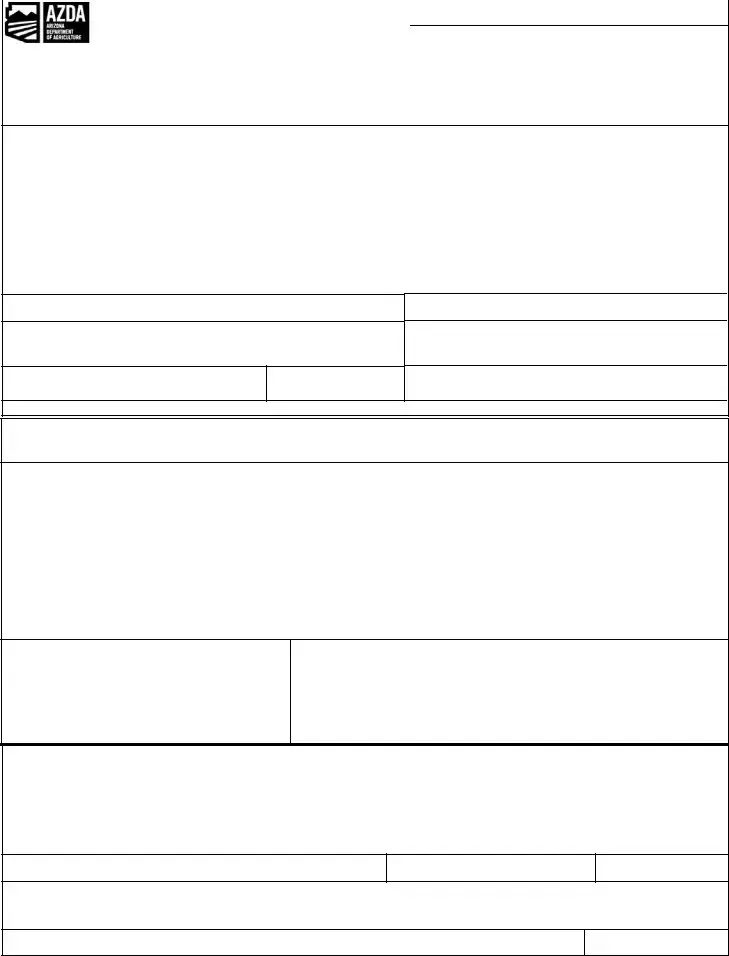
CONDITIONS CONDUCIVE TO INFESTATION |
|
|
|
|
|||||
15. WOOD TO EARTH CONTACT (EC) |
|
□ YES |
□ NO |
(If YES, check mark and explain conditions conducive) |
|
||||||
□ Fence Abutting Structure |
□ Pier Posts |
|
|
|
|
|
|
||||
□ Plants/Trees Contacting Structure |
|
|
|
|
|||||||
□ Concrete Form Boards |
□ Porch Stairs |
□ Other_____________________________ |
|
|
|
|
|||||
□ Porch Post |
□ Trellis |
|
|
|
|
|
|
|
|
|
|
Comments: |
|
|
|
|
|
|
|
|
|
|
|
16. EXCESSIVE CELLULOSE DEBRIS (CD) |
□ YES |
□ NO |
(If YES, check mark and explain conditions conducive) |
|
|||||||
Comments: |
|
|
|
|
|
|
|
|
|
|
|
17. FAULTY GRADES (FG) |
|
□YES |
□ NO |
(If YES, check mark and explain conditions conducive) |
|
||||||
□ Evidence of surface water draining toward house |
|
□ Stucco at or below grade |
|
|
|
|
|||||
□ Floor level or planters at or below grade |
|
□ Joists in crawl space less than 24" above grade |
|
|
|
|
|||||
□ Wood siding below grade |
|
|
□ Other________________ |
|
|
|
|
|
|||
Comments: |
|
|
|
|
|
|
|
|
|
|
|
18. EXCESSIVE MOISTURE (EM) |
|
□ YES |
□ NO |
(If YES, check mark and explain conditions conducive) |
|
||||||
□ Standing Water |
□ Water Damage |
|
□ Bath/Shower/Toilet Leaking |
□ Inadequate Ventilation |
|||||||
□ Sprinklers Hitting Structure |
□ Water Stain |
|
□ Plumbing Leaks |
|
□ Other_________________ |
||||||
□ Crawl Space/Water Leaking |
□ Improper Condensate Drainage |
□ Attic/Roof Leak |
|
|
|
|
|||||
Comments: |
|
|
|
|
|
|
|
|
|
|
|
|
|
|
|
|
|
|
|
|
|||
19. INACCESSIBLE AREAS (IA) |
|
□ YES |
□ NO |
(If YES, check mark and explain) |
|
|
|
|
|||
□ Attic – All |
|
□ Floors |
|
|
|
|
□ Sub/Crawl Space Area |
|
|||
□ Attic – Joists |
|
□ Wall Interiors |
|
|
|
□ Sub Area/Crawl Space No Access |
|
||||
□ Attic – Partial |
|
□ Enclosed Stairwell |
|
□ Areas Obstructed By Furniture Or Stored Articles |
|||||||
□ Plumbing Traps |
|
□ Dropped Ceilings |
|
|
|
|
|
|
|||
□ Other____________________________________________________________________________________________________________________
Comments:
20.EVIDENCE OF PREVIOUS TREATMENT
□BY ANOTHER COMPANY: While evidence of previous treatment does exist, it is impossible for the inspecting company to
ascertain if such treatment was properly performed. Further investigation is left to the Buyer's discretion to determine if such treatment was done properly and if a valid warranty exists against the target pest of such treatment.
□BY THE INSPECTING COMPANY: Previous treatment is recorded for this property. At the Buyer's discretion, treatment records can be viewed at the inspecting company's local office with the property owner's permission.
Account Number: __________________________ Date of Initial Treatment: __________________ Target Pest: ______________________________
Warranty Expiration Date: _______________ Other:_______________________________________________________________________________________
Pest Control Inspector’s Additional Comments
PROPERTY NAME/ADDRESS
DATE OF INSPECTION
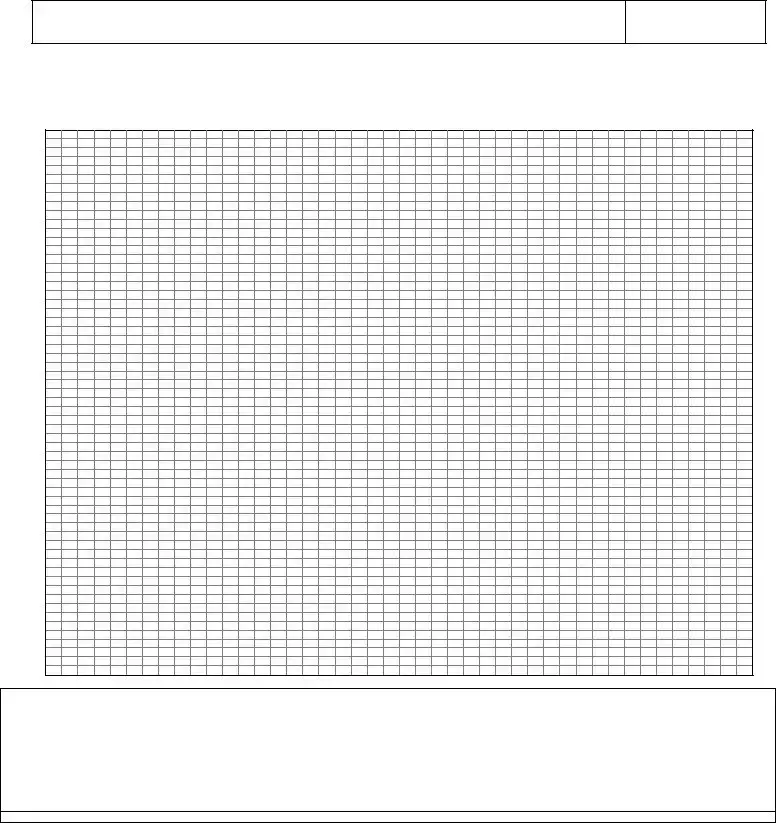
GRAPH OF STRUCTURE(S)
(Note: Graph Not To Scale)
PURSUANT TO: A.A.C.
ITEMS WHICH ARE NOTED ON PAGES (1) AND (2)
√ |
CODE |
SEE GRAPH PAGE (3) |
√ |
CODE |
SEE GRAPH PAGE (3) |
√ |
CODE |
SEE GRAPH PAGE (3) |
√ |
CODE |
SEE GRAPH PAGE (3) |
|
SU Subterranean Termites |
|
OW Other Wood Destroying Insects (*) |
|
OB Obstructions |
|
WD Water Damage |
||||
|
DR Drywood Termites |
|
FG Faulty Grade |
|
IA Inaccessible Areas |
|
WS Water Stains |
||||
|
DA Dampwood Termites |
|
EC Wood To Earth Contact |
|
IV Inadequate Ventilation |
|
RL Roof Leaks |
||||
|
BE Wood Destroying Beetles |
|
CD Cellulose Debris |
|
PL Plumbing Leaks |
|
EM Excessive Moisture |
||||
|
CA Carpenter Ants |
|
PA Plantings Abutting Structure |
|
SP Sprinkler Hitting Structure |
|
FI Further Inspection Needed |
||||
(*) |
Other Wood Destroying Insects (list) |
|
|
|
|
|
|
|
|
||
| Fact Name | Detail |
|---|---|
| Governing Law | This form is governed by Arizona Revised Statutes (A.R.S.) § 3-3633 (A). |
| Inspection Requirement | Only a Certified Applicator can complete this inspection report, ensuring qualified evaluations. |
| Report Types | The form can be marked as either an Original Report or a Supplemental Report, depending on the context of the inspection. |
| Accessibility Note | Inspectors must list any areas that were obstructed or inaccessible during the inspection, which may impact findings. |
| Control Measures | When evidence of wood-destroying insects is found, control measures must be documented, including treatment details and chemicals used. |
| Supplemental Reports | Any supplemental reports must be completed within 30 days of the original inspection to maintain compliance. |
Completing the WDIIR Arizona form requires careful attention to detail to ensure all necessary information is accurately provided. This process involves gathering specific data related to the property inspection and the conditions observed. Following these steps will help you fill out the form correctly and efficiently.
The Wood Destroying Insect Inspection Report (WDIIR) is a form used in Arizona to document inspections for wood-destroying insects, such as termites. It is required by the Arizona Department of Agriculture's Pest Management Division and must be completed by a certified applicator.
The form can only be completed by a certified applicator. This ensures that the inspection is conducted by a professional with the necessary training and expertise to identify wood-destroying insects and assess any damage.
Key information includes:
Inaccessible areas refer to parts of the property that could not be inspected due to obstructions such as furniture, wall coverings, or other barriers. The inspector must note these areas on the form, indicating that the inspection was limited.
If evidence of wood-destroying insects is observed, the inspector must indicate this on the form. If control measures are performed, they must be documented, including the type of insects treated and the date of treatment.
Visible damage due to wood-destroying insects must be recorded in the report. The inspector may recommend that a licensed structural contractor evaluate the damage for necessary repairs.
Conditions conducive to infestation can include:
The original report must be completed and any supplemental reports submitted within 30 days of the original inspection date. This time frame ensures that the information remains relevant and accurate for any transactions.
The inspector's statement on the form affirms that the inspection was thorough and that they have no conflicts of interest regarding the property. This adds credibility to the findings reported.
No, the WDIIR is not a warranty against the presence of wood-destroying insects. Buyers are encouraged to consider additional assessments by licensed structural contractors for comprehensive evaluations of potential damage or mold concerns.
Filling out the WDIIR Arizona form can be challenging. Common mistakes can lead to delays or complications in processing. Here are ten mistakes to avoid:
First, many individuals forget to enter the VA/HUD/FHA case number in Item 1A. This number is essential for the lender and the pest control company to track the inspection. Without it, the report may not be valid.
Another frequent error is failing to adequately describe areas that are inaccessible or obstructed in Item 7. Inspectors must list all items that prevented a thorough inspection, such as furniture or wall coverings. Missing this detail can result in an incomplete report.
Some people incorrectly check Item 8A when evidence of insects is found but do not perform control measures. It’s important to check both Item 8A and Item 8C if any control measures were taken. This oversight can misrepresent the inspection results.
Additionally, individuals often neglect to list the specific wood-destroying insects observed in Item 8A. Failing to specify the type of insects can lead to misunderstandings about the severity of the infestation.
Another common mistake is not noting the visible damage from the infestation in Item 8D. This information is crucial for understanding the extent of the problem and for future treatment considerations.
When treatment is indicated in Item 8C, it is essential to provide details about the insects treated and the date of treatment. Omitting this information can create confusion regarding the treatment history of the property.
In Items 15-18, some individuals fail to report conditions that are conducive to infestation. This includes issues like faulty grading or excessive moisture. Noting these conditions is vital for preventing future infestations.
Another mistake is not completing supplemental reports within the required 30 days of the original report. Timeliness is critical to maintaining the validity of the inspection.
People also often overlook the signature of the inspector and the inspector's license number in Items 12A and 12B. These signatures confirm the authenticity of the report and are required for legal purposes.
Lastly, individuals sometimes do not ensure that the purchaser’s statement is signed and dated. This step is important as it acknowledges that the purchaser has received and understood the inspection report.
The Wood Destroying Insect Inspection Report (WDIIR) is an important document in the real estate transaction process, particularly in Arizona. Along with the WDIIR, several other forms and documents are often utilized to ensure a comprehensive understanding of pest management and property conditions. Below is a list of commonly used documents that accompany the WDIIR.
Understanding these documents can help property owners and buyers navigate the complexities of pest management and ensure that their investments are protected. Each document serves a specific purpose and contributes to a clearer picture of the property's condition and history regarding wood-destroying insects.
The WDIIR Arizona form is similar to several other inspection and reporting documents. Each serves a specific purpose in assessing property conditions, particularly regarding pests and structural integrity. Here are four documents that share similarities with the WDIIR Arizona form:
When filling out the WDIIR Arizona form, it is important to approach the process with care and attention. The following list outlines key actions to take and avoid during this task.
Taking these steps will help ensure that the WDIIR Arizona form is completed accurately and thoroughly, which is essential for effective pest management and compliance with state regulations.
Misconceptions about the WDIIR Arizona form can lead to confusion for homeowners and real estate professionals alike. Here are eight common misunderstandings:
When filling out and using the WDIIR Arizona form, it’s important to keep the following key points in mind:
Understanding these points can help ensure that the form is filled out accurately and effectively. Proper documentation is essential for both pest control and property transactions.