The U.S. Department of Labor (DoL) plays a crucial role in ensuring fair labor practices and protecting the rights of workers across the nation. One essential tool in this mission is the DoL form, which serves various purposes depending on the specific context in which it is used. From reporting workplace injuries to filing wage complaints, this form facilitates communication between employees, employers, and government agencies. It often includes sections for personal information, details about the workplace incident or issue, and any relevant supporting documentation. Understanding how to properly fill out and submit this form can significantly impact the outcome of a labor-related issue, making it vital for workers to be informed about its requirements. Moreover, the DoL form not only helps in documenting grievances but also assists in tracking compliance with labor laws, ensuring that workers are treated fairly and justly in their employment. By navigating the complexities of this form, individuals can take a proactive step toward advocating for their rights and fostering a safer, more equitable workplace environment.
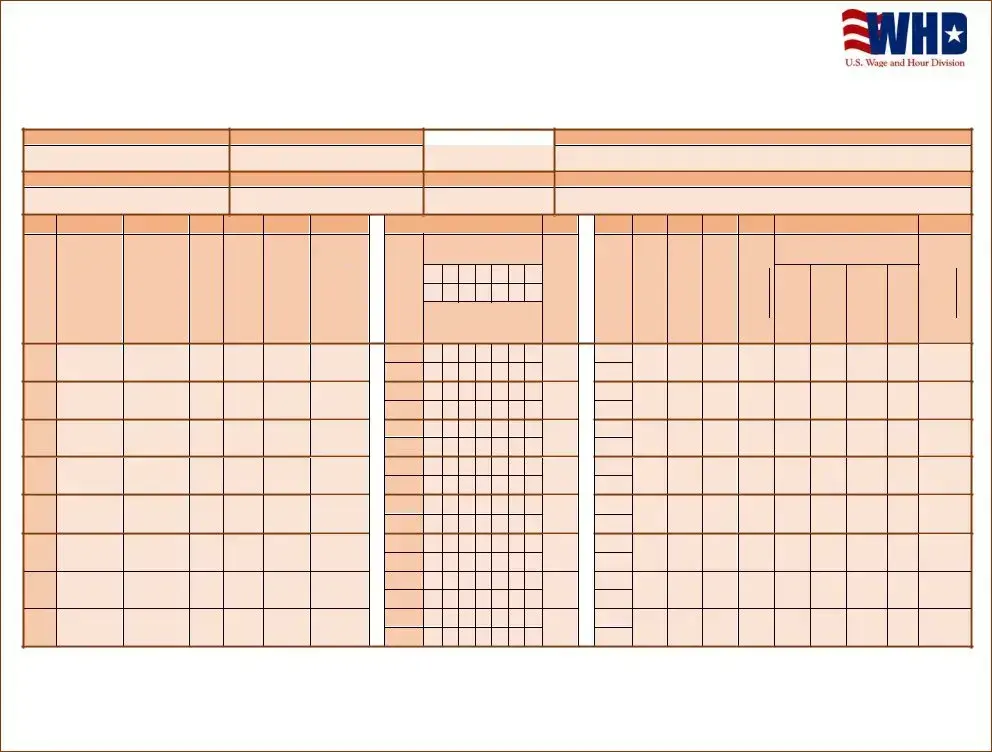
U.S. Department of Labor
Wage and Hour Division |
(For Contractor’s Optional Use; See Instructions at www.dol.gov/whd/forms/wh347instr.htm) |
||
|
Unless otherwise noted, the information requested is specific to the named project below. |
|
|
|
Persons are not required to respond to the collection of information unless it displays a currently valid OMB control number. |
||
SUBMISSION OF FINAL DBRA CERTIFIED PAYROLL FORM |
PRIME CONTRACTOR |
SUBCONTRACTOR |
|
Rev. January 2025
OMB No.:
Expires: 01/31/2028
PROJECT NAME |
PROJECT NO. or CONTRACT NO. |
CERTIFIED PAYROLL NO. |
PRIME CONTRACTOR’S/SUBCONTRACTOR’S BUSINESS NAME |
PROJECT LOCATION |
WAGE DETERMINATION NO. |
WEEK ENDING DATE |
PRIME CONTRACTOR’S/SUBCONTRACTOR’S BUSINESS ADDRESS |
(1A) |
(1B) |
(1C) |
(1D) |
(1E) |
|
(2) |
|
(3) |
|
|
(4) |
(5) |
(6A) |
(6B) |
(6C) |
(7A) |
(7B) |
|
|
(8) |
|
|
NO.ENTRYWORKER |
NAMELASTWORKER |
FIRSTWORKER NAME |
MIDDLEWORKER INITIAL |
WORKER NO.IDENTIFYING |
JOURNEYWORKER(J) |
REGISTERD(RA) |
APPRENTICE |
LABOR CLASSIFICATION |
TIMESTRAIGHT=ST |
OVERTIME=OT |
(TOP) DAYS OF WORK WEEK |
HOURSTOTAL WEEKFORWORKED |
RATEWAGEHOURLY ANDSTFORPAIDOT |
FRINGETOTAL CREDITBENEFIT |
LIEUINPAYMENTOF BENEFITSFRINGE |
EARNEDAMTGROSS |
EARNEDAMTGROSS WORKALLFOR |
DEDUCTIONS FOR ALL WORK |
||||
(BOTTOM) DATES |
FICA |
(MUSTOTHER |
SEESPECIFY, INSTRUCTIONS) |
TOTAL DEDUCTIONS |
||||||||||||||||||
|
|
|
|
|
|
|
|
|
|
|
|
|
|
|
|
|
|
|
|
|
|
|
|
|
|
|
|
|
|
|
|
|
|
HOURS WORKED |
|
|
|
|
|
|
|
|
|
|
|
|
|
|
|
|
|
|
|
|
|
|
EACH DAY |
|
|
|
|
|
|
|
|
|
|
|
(9) |
FOR ALL WORK
NET PAY TO WORKER
ST
OT
ST
OT
ST
OT
ST
OT
ST
OT
ST
OT
ST
OT
ST
OT
While use of Form
Public Burden Statement
We estimate that it will take an average of 55 minutes to complete this collection, including time for reviewing instructions, searching existing data sources, gathering and maintaining the data needed, and completing and reviewing the collection of |
|
information. If you have any comments regarding these estimates or any other aspect of this collection, including suggestions for reducing this burden, send them to the Administrator, Wage and Hour Division, U.S. Department of Labor, Room S3502, |
|
200 Constitution Avenue, N.W. Washington, D.C. 20210 |
(over) |
PROJECT NAME |
PROJECT NO. or CONTRACT NO. |
PAYROLL NO. |
PRIME CONTRACTOR’S/SUBCONTRACTOR’S BUSINESS NAME |
PROJECT LOCATION |
|
WEEK ENDING DATE |
CERTIFYING OFFICIAL’s NAME AND TITLE |
I paid or supervised the payment of the laborers or mechanics working on the above project during the stated time period. I certify the following:
The payroll information submitted with this statement is correct and complete for the above project during the above period, and the wage and fringe benefit rates paid to the workers,
including credit taken for the reasonably anticipated costs of a bona fide fringe benefit plan, fund or program, are not less than the applicable wage and fringe benefits rates for the classification(s) of work actually performed, as specified in the wage determination(s) incorporated into the contract.
All regular payrolls and all other basic records that the contractor is required to maintain for this payroll period are complete and accurate and will be made available upon request from the
agency or the Department of Labor.
The classifications reported for each laborer or mechanic are the classification(s) of work that each worker actually performed.
Any workers paid as apprentices during the above period are duly registered in a bona fide apprenticeship program registered with the Office of Apprenticeship, Employment and Training
Administration, United States Department of Labor (“OA”), or a State Apprenticeship Agency (“SAA”) recognized by Department of Labor. I have verified the registered apprenticeship program information provided below as accurate and applicable to any apprentices identified on page 1 of this form.
APPRENTICESHIP PROGRAM NAME |
|
REGISTERED |
NAME OF LABOR CLASSIFICATION |
|
|||
|
|
OA |
|
SAA |
|
|
|
|
|
OA |
|
SAA |
|
|
|
|
|
OA |
|
SAA |
|
|
|
Fringe benefits have been paid in cash and/or to bona fide fringe benefit plans, funds, or programs. Where the contractor is claiming an hourly credit for their contributions to or reasonably
anticipated costs of a bona fide fringe benefit plan, fund, or program, provide plan information and the hourly credit claimed for each worker listed on the previous page of this form.
HOURLY CREDIT FOR FRINGE BENEFITS
If an amount is listed in (6B) on the first page of this certified payroll form, enter the hourly credit claimed under each plan name, type and number for each worker and check whether the plan is funded or unfunded.
|
|
|
FB NAME |
|
|
|
FB NAME |
|
|
|
FB NAME |
|
|
|
FB NAME |
|
|
|
FB NAME |
|
|
|
FB NAME |
|
|
|
|
TOTAL |
|
|
|
FB TYPE |
|
|
|
FB TYPE |
|
|
|
FB TYPE |
|
|
|
FB TYPE |
|
|
|
FB TYPE |
|
|
|
FB TYPE |
|
|
|
|
|
NAME OF WORKER |
|
|
|
|
|
|
|
|
|
|
|
|
|
|
|
|
|
|
|
|
|
HOURLY |
||||||
|
|
PLAN NO. |
|
|
|
PLAN NO. |
|
|
|
PLAN NO. |
|
|
|
PLAN NO. |
|
|
|
PLAN NO. |
|
|
|
PLAN NO. |
|
|
|
|
||
|
|
|
|
|
|
|
|
|
|
|
|
|
|
|
|
|
|
|
|
|
|
CREDIT |
|
Funded |
Unfunded |
Funded |
Unfunded |
Funded |
Unfunded |
Funded |
Unfunded |
Funded |
Unfunded |
Funded |
Unfunded |
|
|
Hourly Credit |
$ |
Hourly Credit |
$ |
Hourly Credit |
$ |
Hourly Credit |
$ |
Hourly Credit |
$ |
Hourly Credit |
$ |
$ |
|
Hourly Credit |
$ |
Hourly Credit |
$ |
Hourly Credit |
$ |
Hourly Credit |
$ |
Hourly Credit |
$ |
Hourly Credit |
$ |
$ |
|
Hourly Credit |
$ |
Hourly Credit |
$ |
Hourly Credit |
$ |
Hourly Credit |
$ |
Hourly Credit |
$ |
Hourly Credit |
$ |
$ |
|
Hourly Credit |
$ |
Hourly Credit |
$ |
Hourly Credit |
$ |
Hourly Credit |
$ |
Hourly Credit |
$ |
Hourly Credit |
$ |
$ |
|
Hourly Credit |
$ |
Hourly Credit |
$ |
Hourly Credit |
$ |
Hourly Credit |
$ |
Hourly Credit |
$ |
Hourly Credit |
$ |
$ |
|
Hourly Credit |
$ |
Hourly Credit |
$ |
Hourly Credit |
$ |
Hourly Credit |
$ |
Hourly Credit |
$ |
Hourly Credit |
$ |
$ |
|
Hourly Credit |
$ |
Hourly Credit |
$ |
Hourly Credit |
$ |
Hourly Credit |
$ |
Hourly Credit |
$ |
Hourly Credit |
$ |
$ |
|
Hourly Credit |
$ |
Hourly Credit |
$ |
Hourly Credit |
$ |
Hourly Credit |
$ |
Hourly Credit |
$ |
Hrly Credit |
$ |
$ |
|
All workers on the project have been paid the full weekly wages earned, and no rebates or deductions have been or will be made either directly or indirectly, other than permissible |
|
|||||||||||
deductions as defined in 29 CFR part 3. |
|
|
|
|
|
|
|
|
|
|
|
||
ADDITIONAL REMARKS
|
|
|
|
|
|
|
|
|
|
|
|
|
|
|
|
SIGNATURE OF CERTIFYING OFFICIAL |
|
|
DATE |
|
|
TELEPHONE NUMBER |
|
|
EMAIL ADDRESS |
|
|
|
|
|
|
|
|
|
|
( __ __ __ ) __ __ __ – __ __ __ __ |
|
|
|
|
|
|
|
|
|
|
|
|
|
|
|
|
|
|
|
THE WILLFUL FALSIFICATION OF ANY OF THE ABOVE STATEMENTS MAY SUBJECT THE CONTRACTOR OR SUBCONTRACTOR TO CIVIL OR CRIMINAL PROSECUTION (SEE SECTION 1001 OF TITLE 18 AND SECTION 3729 OF TITLE 31 OF THE UNITED STATES CODE), AS WELL AS DEBARMENT FROM FUTURE FEDERAL AND
| Fact Name | Description |
|---|---|
| Purpose | The U.S. Department of Labor (DoL) forms are designed to collect information related to employment, labor standards, and workplace safety. |
| Types of Forms | Various forms exist, including those for wage and hour claims, workplace injuries, and employee benefits. |
| Filing Requirements | Individuals and businesses must complete specific forms to comply with federal labor laws and regulations. |
| State-Specific Forms | Many states have their own forms that align with state labor laws, such as California's Labor Code and New York's Labor Law. |
| Submission Process | Forms can typically be submitted online, by mail, or in person, depending on the specific requirements of the form. |
| Confidentiality | Information provided on these forms is generally treated as confidential, protecting the privacy of the individuals involved. |
| Assistance Available | Resources and assistance are available through the DoL website and local labor offices for those needing help with form completion. |
Once you have the U.S. Department of Labor (DoL) form in hand, it’s time to get started on filling it out. This process requires careful attention to detail to ensure accuracy. Follow these steps closely to complete the form correctly.
After submitting the form, you may need to wait for a response. Keep track of any confirmation numbers or receipts you receive. This will help you follow up if necessary.
What is the U.S. Department of Labor (DoL) form?
The U.S. Department of Labor (DoL) form refers to various forms used by the DoL to collect information related to labor laws, employment statistics, and worker rights. These forms are essential for ensuring compliance with federal labor regulations and may include applications, reports, and claims related to wage and hour laws, workplace safety, and employee benefits.
Who needs to fill out a U.S. DoL form?
Different stakeholders may need to complete these forms. Employers, employees, and organizations involved in labor relations may be required to submit specific forms. For example, employers may need to file forms related to wage determinations, while employees might need to submit forms to claim unpaid wages or report violations of labor laws.
How do I obtain a U.S. DoL form?
U.S. DoL forms can typically be obtained from the official Department of Labor website. The site provides downloadable versions of forms, along with instructions on how to complete them. Additionally, local DoL offices may have printed forms available for those who prefer in-person assistance.
What is the process for submitting a U.S. DoL form?
Once a form is completed, it must be submitted according to the instructions provided. Some forms can be submitted online through the DoL’s website, while others may require mailing or faxing to a specific address. It is crucial to ensure that the form is sent to the correct department to avoid delays in processing.
What happens after I submit a U.S. DoL form?
After submission, the relevant department will review the form. Depending on the type of form, you may receive a confirmation of receipt, and further communication may follow. If additional information is required, the DoL will contact you. It’s advisable to keep a copy of the submitted form for your records.
Are there deadlines for submitting U.S. DoL forms?
Yes, many U.S. DoL forms have specific deadlines. These deadlines can vary based on the type of form and the circumstances surrounding it. For instance, wage claims often have a statute of limitations that requires timely submission. It is important to check the instructions for each form to ensure compliance with all deadlines.
What should I do if I make a mistake on a U.S. DoL form?
If an error is discovered after submission, it is important to correct it as soon as possible. Depending on the form, you may need to submit a corrected version or provide an explanation of the error to the DoL. Contacting the appropriate department directly can provide guidance on how to proceed with corrections.
Completing the U.S. Department of Labor (DoL) form can be a straightforward process, but many individuals encounter pitfalls that can complicate their applications. One common mistake is providing incomplete information. When sections of the form are left blank, it can lead to delays or even denials. Every detail matters, and ensuring that all required fields are filled out completely is essential for a smooth application process.
Another frequent error is failing to double-check for accuracy. Simple typos or miscalculations can cause significant issues. For instance, incorrect Social Security numbers or misspelled names can lead to confusion or complications in processing the form. Taking the time to review the information before submission can save individuals from unnecessary headaches later on.
Additionally, misunderstanding the instructions can lead to improper completion of the form. Each section has specific requirements, and overlooking these can result in misinterpretation of what is needed. It is crucial to read all instructions carefully and, if necessary, seek clarification on any points that seem unclear. This proactive approach can help ensure that the form is filled out correctly.
Finally, many people neglect to keep a copy of their submitted form. This oversight can be problematic if there are questions or follow-ups regarding the application. Having a record allows individuals to reference their original submission, making it easier to respond to any inquiries from the DoL. Keeping organized documentation is a simple yet effective way to streamline the process and avoid potential complications.
When dealing with labor-related issues, several forms and documents may accompany the U.S. Department of Labor (DoL) form. Each of these documents serves a specific purpose and can be crucial in ensuring compliance with labor laws and regulations. Understanding these forms can help streamline processes and protect your rights.
Familiarity with these forms can greatly enhance your understanding of workplace rights and responsibilities. By ensuring that all necessary documents are completed and submitted correctly, you can help create a smoother work environment for everyone involved.
The U.S. Department of Labor (DoL) form serves specific purposes related to labor and employment. Several other documents share similarities in function and intent. Here are four such documents:
When filling out the U.S. Department of Labor (DoL) form, it is important to follow certain guidelines to ensure accuracy and compliance. Below is a list of things you should and shouldn't do:
When dealing with the U.S. Department of Labor (DoL) forms, several misconceptions can lead to confusion. Understanding these can help ensure proper compliance and avoid unnecessary complications. Here are five common misconceptions:
This is not true. The Department of Labor has various forms tailored to different purposes, such as wage and hour issues, workplace safety, and employee benefits. Each form serves a specific function and must be filled out accordingly.
Many believe that submitting forms to the DoL is not mandatory. However, in many cases, filing is required by law. Employers must comply with regulations to avoid penalties or legal issues.
While some forms can be submitted at any time, others have specific deadlines. Missing these deadlines can affect rights and benefits, so it is important to be aware of the timelines associated with each form.
Many individuals assume they can easily complete forms without assistance. However, some forms can be complex. Seeking help from knowledgeable sources can ensure that the forms are completed accurately.
This misconception can lead to frustration. In reality, many forms can be amended after submission if errors are discovered. Knowing the process for making changes can be beneficial.
Understanding these misconceptions can help individuals navigate the requirements of the U.S. Department of Labor more effectively. Being informed is the first step toward compliance and success.
When filling out and using the U.S. Department of Labor (DoL) form, consider the following key takeaways: