
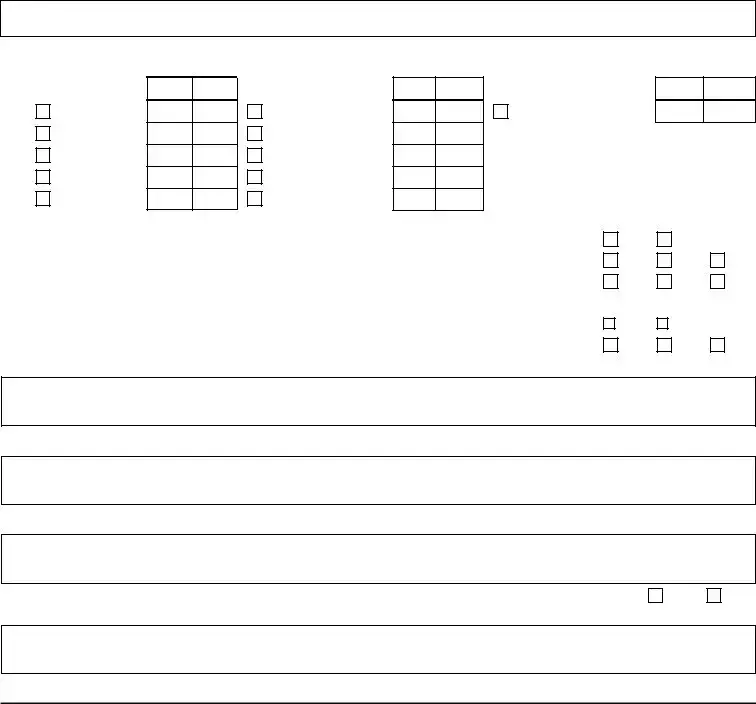
The Texas 3599 form serves as a critical tool in the oversight and management of habilitation services for individuals with disabilities. This form is utilized by the Texas Department of Aging and Disability Services to document essential aspects of service provision, including the frequency and nature of supervisory visits. It captures vital information such as the individual's name, the habilitation service provider's details, and the specific tasks that need to be performed. The form also addresses the individual's functional limitations, ensuring that the habilitation service provider is adequately informed about the individual's health conditions and how these may impact care delivery. Furthermore, it includes sections for evaluating the provider's competency in delivering various tasks, documenting any health and safety concerns, and assessing the individual's satisfaction with the services received. By systematically recording these elements, the Texas 3599 form plays a pivotal role in maintaining quality care and facilitating effective communication among all parties involved.

Texas Department of Aging |
Community Living Assistance and Support Services (CLASS) |
|
and Disability Services |
|
|
|
Habilitation Service Provider Orientation/Supervisory Visits |
|
|
|
|
Individual’s Name (please print) |
Date |
|
|
|
|
|
Frequency of supervisory visits Habilitation service provider name |
|
Delegated habilitation service provider |
|
|
Habilitation service provider |
|
|
Special habilitation service provider orientation by telephone
Form 3599
September 2013
Purpose of Visit
PO SV
Describe the individual’s functional limitations that require a need for habilitation services. (Complete when orienting habilitation service
1. provider)
2. Orientation (complete when orienting habilitation service provider):
Habilitation service provider instructed about individual’s health condition and how it may affect provision of tasks. |
||||
|
Habilitation service provider instructed about tasks to be provided, work schedule and safety and emergency |
|||
procedures. |
|
|
||
|
Habilitation service provider |
|
|
|
instructed to report to |
|
|
||
|
|
|
|
|
|
|
(Print name and credentials) |
|
(Telephone no.) |
The following health and safety concerns (document concerns):
Note: In the event of an emergency, notify 911.
Individual hospitalized |
Other: |
Changes in individual’s needs and behavior
Individual absent from home or moved
Habilitation service provider unable to work scheduled hours
Habilitation service provider schedules
Schedule 1
Type Of Service |
Monday |
Tuesday |
Wednesday |
Thursday |
Friday |
Saturday |
Sunday |
|
|
|
|
|
|
|
|
|
|
|
|
|
|
|
|
|
|
|
|
|
|
|
|
Weekly Total Habilitation Hours
Schedule 2
Type Of Service
Monday
Tuesday
Wednesday
Thursday
Friday
Saturday
Sunday
Weekly Total Habilitation Hours
Form 3599
Page 2 /
Individual’s Name (please print)
3.A. Tasks/Plan of Care: Indicate tasks to be performed (complete on every visit). During supervisory visit, ask individual or LAR what tasks are provided by the service provider. Observe or ask about performance: S = Satisfactory U = Unsatisfactory
Hygiene..............
Toileting.............
Dressing.............
Shopping ...........
Meal Preparation
Freq. Perform.
Feeding ..........................
Exercise .........................
Transfer/Ambulation......
Cleaning .........................
Community Assistance
Freq. Perform.
Medically Related Tasks......
Freq. Perform.
3.B. Is the habilitation service provider competent to provide habilitation tasks? |
Yes |
|
|
3.C. Is the habilitation service provider competent to provide delegated habilitation tasks? |
Yes |
|
3.D. Is the habilitation service provider competent to provide medically related tasks? |
Yes |
Complete the following for Supervisory Visits (N/A for habilitation service provider orientation only).
4. |
Is the individual satisfied with the services provided by the habilitation service provider? |
Yes |
|
||
5. |
Is the habilitation service provider following the schedule? |
Yes |
6.A. |
Describe service delivery problems. |
|
No
No
No
No No
N/A
N/A
N/A
6.B. Describe habilitation service provider training needs.
6.C. Describe corrective actions taken.
7. Does the individual continue to need services? ...........................................................................................................
8. Additional Comments:
Yes
No
Signature – Individual/LAR |
|
Date |
|
|
|
Signature – Habilitation Service Provider |
|
Date |
|
|
|
Signature – Supervisor |
|
Date |
| Fact Name | Description |
|---|---|
| Form Title | Texas 3599 is the Habilitation Service Provider Orientation/Supervisory Visits form. |
| Governing Law | This form is governed by Texas Health and Safety Code, Chapter 531. |
| Purpose | The form is used to document supervisory visits and orientation for habilitation service providers. |
| Frequency of Visits | It includes a section to indicate the frequency of supervisory visits. |
| Health Concerns | Providers must document any health and safety concerns during visits. |
| Tasks Assessment | It requires an assessment of tasks performed by the habilitation service provider. |
| Competency Evaluation | The form includes questions to evaluate the competency of the habilitation service provider. |
| Signatures Required | Signatures from the individual, habilitation service provider, and supervisor are necessary for completion. |
Completing the Texas 3599 form is essential for documenting the orientation and supervisory visits for habilitation service providers. This form ensures that all necessary information is collected, allowing for effective communication and monitoring of services provided to individuals in need. Follow the steps below to accurately fill out the form.
What is the purpose of the Texas 3599 form?
The Texas 3599 form is designed to document the orientation and supervisory visits for habilitation service providers. It ensures that providers are properly informed about the individual's needs, health conditions, and the tasks they are expected to perform. This form helps maintain a high standard of care and support for individuals receiving services.
Who needs to complete the Texas 3599 form?
The form must be completed by habilitation service providers during their orientation and supervisory visits. This includes both the primary habilitation service provider and any delegated providers involved in the care of the individual. It is essential for ensuring that all parties are aware of the individual's needs and care plan.
What information is required about the individual receiving services?
When filling out the Texas 3599 form, the provider must include the individual’s name, date, and a description of their functional limitations. This information is crucial for tailoring the habilitation services to meet the specific needs of the individual.
How often should supervisory visits be conducted?
The frequency of supervisory visits is determined based on the needs of the individual and the requirements set forth by the service provider. The form allows for the documentation of these visits, ensuring that they occur regularly and that any changes in the individual's condition are addressed promptly.
What should be documented during the supervisory visit?
During each supervisory visit, the provider should document the tasks performed, the individual's satisfaction with the services, and any service delivery problems encountered. Additionally, it is important to note the provider's competency in delivering the required tasks and any training needs they may have.
What actions should be taken in case of an emergency?
In the event of an emergency, it is crucial to notify 911 immediately. The Texas 3599 form includes a section for documenting health and safety concerns, which helps ensure that all providers are aware of potential risks and can respond appropriately.
What happens if the habilitation service provider is unable to work scheduled hours?
If the habilitation service provider cannot work their scheduled hours, this should be reported to the supervisor as soon as possible. The Texas 3599 form includes a section for documenting such occurrences, allowing for timely adjustments to the care plan if needed.
How is the individual’s satisfaction with services assessed?
The form includes a specific question regarding the individual's satisfaction with the services provided. This feedback is vital for ensuring that the services meet the individual's needs and expectations. Providers should take this feedback seriously and make adjustments as necessary.
What should be done if service delivery problems arise?
Should any service delivery problems occur, they must be documented on the Texas 3599 form. The provider should describe the issues and outline any corrective actions taken. This process helps to identify areas for improvement and ensures that the individual continues to receive quality care.
Can the Texas 3599 form be used for multiple individuals?
No, the Texas 3599 form is specific to each individual receiving habilitation services. Each form must be filled out separately to accurately reflect the unique needs and circumstances of each person. This individualized approach is essential for providing effective support and care.
Filling out the Texas 3599 form can be a straightforward process, but there are common mistakes that can lead to confusion or delays. Understanding these pitfalls can help ensure that the form is completed accurately and effectively.
One frequent mistake is failing to provide the individual's name clearly at the beginning of the form. This information is crucial for identifying the person receiving services. When the name is illegible or missing, it can cause significant delays in processing the form.
Another common error is neglecting to describe the individual’s functional limitations adequately. This section is essential as it outlines the specific needs that require habilitation services. A vague or incomplete description can hinder the assessment of the individual’s needs and the services they require.
Many people also overlook the importance of detailing the tasks to be performed during each supervisory visit. This section should reflect a comprehensive understanding of the individual’s care plan. If tasks are not clearly listed, it may lead to misunderstandings about the services provided.
Additionally, some individuals forget to indicate whether the habilitation service provider is competent in performing the required tasks. This is a critical part of the evaluation process. An unchecked box can imply that the provider is not qualified, which could jeopardize the quality of care.
It is also important to ensure that the schedule of services is filled out completely. Missing days or hours can create confusion about the availability of services and the individual's care routine. Accurate scheduling helps maintain consistency and reliability in service delivery.
Another mistake involves skipping the section on service delivery problems and training needs. This section is vital for addressing any issues that may arise during service provision. Providing detailed information here can lead to timely interventions and improvements in care.
Lastly, individuals sometimes forget to sign the form or ensure that all necessary signatures are present. Signatures from the individual, the habilitation service provider, and the supervisor are essential for validating the information provided. An unsigned form may be considered incomplete and could delay service initiation.
By being mindful of these common mistakes, individuals can help ensure that the Texas 3599 form is completed accurately and efficiently, ultimately leading to better support and services for those in need.
The Texas 3599 form is an essential document used in the context of habilitation services. It helps to document the orientation and supervisory visits of habilitation service providers. Alongside this form, several other documents are commonly utilized to ensure comprehensive care and compliance with regulations. Below is a list of these documents, each playing a crucial role in the process.
These documents, when used in conjunction with the Texas 3599 form, create a robust framework for delivering habilitation services. They help ensure that individuals receive the support they need while maintaining safety and compliance with state regulations.
When filling out the Texas 3599 form, it is essential to follow specific guidelines to ensure accuracy and compliance. Below is a list of things you should and shouldn't do during this process.
By adhering to these guidelines, you can help ensure that the Texas 3599 form is completed correctly, facilitating the necessary services for individuals in need.
Understanding the Texas 3599 form is essential for both service providers and individuals receiving assistance. However, several misconceptions can lead to confusion. Here are four common misunderstandings:
By clarifying these misconceptions, individuals and service providers can navigate the Texas 3599 form more effectively, ensuring better outcomes for those receiving services.