The SSA SSA-3380-BK form plays a crucial role in the Social Security Administration's (SSA) evaluation process for disability benefits. Designed specifically for adults, this form helps gather essential information about an individual's daily activities and functional limitations. By capturing details about how a person's condition affects their ability to work and perform everyday tasks, the SSA can make informed decisions regarding eligibility for Social Security Disability Insurance (SSDI) or Supplemental Security Income (SSI). Completing the SSA-3380-BK accurately is vital, as it provides a comprehensive view of the applicant's situation, including their medical history, treatment, and the impact of their disability on their daily life. Understanding the nuances of this form can significantly influence the outcome of a disability claim, making it an important document for anyone seeking benefits. Moreover, the SSA encourages applicants to provide as much detail as possible, ensuring that their unique circumstances are fully represented. This emphasis on thoroughness highlights the importance of the SSA-3380-BK in the overall claims process.

Form |
|
Discontinue Prior Editions |
Page 1 of 10 |
Social Security Administration |
OMB No. |
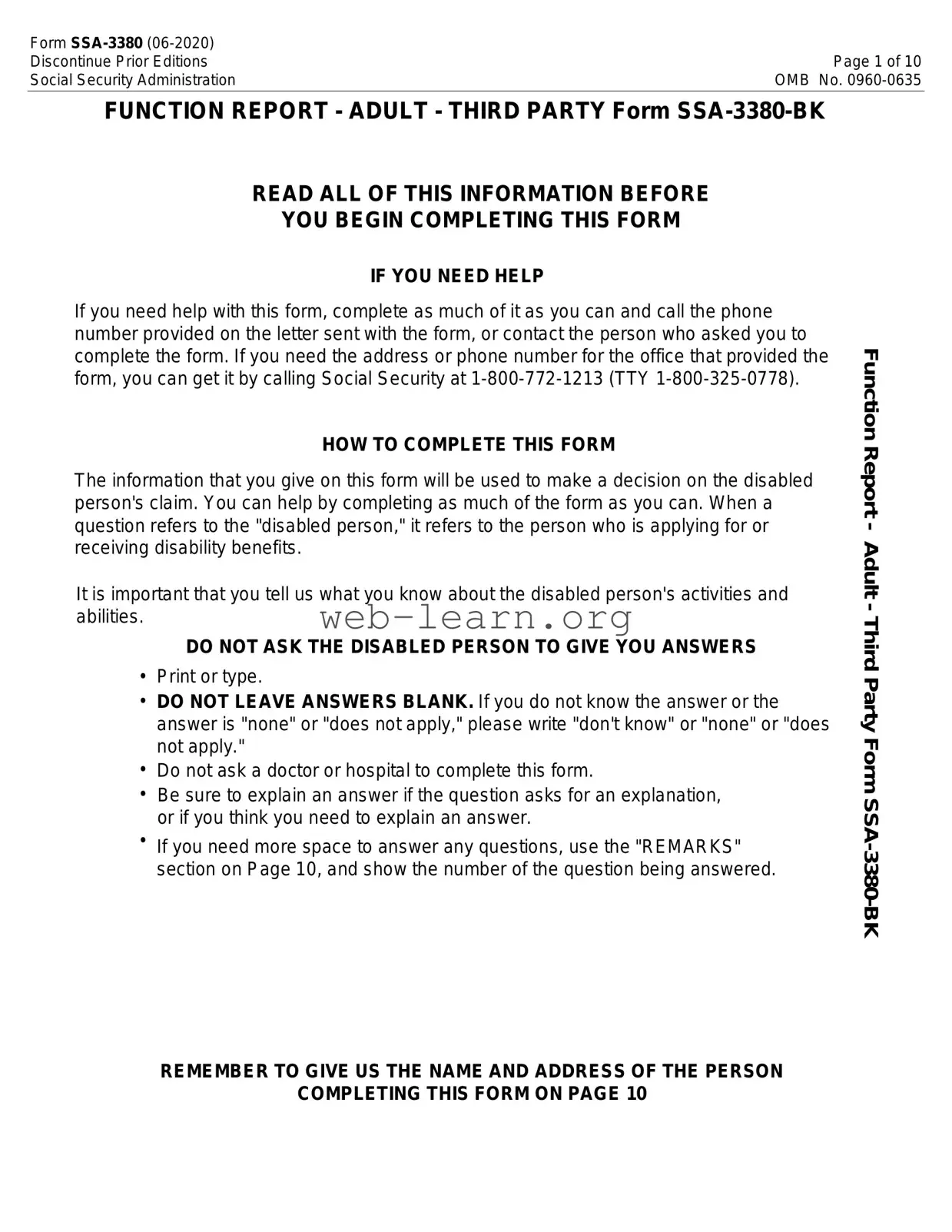
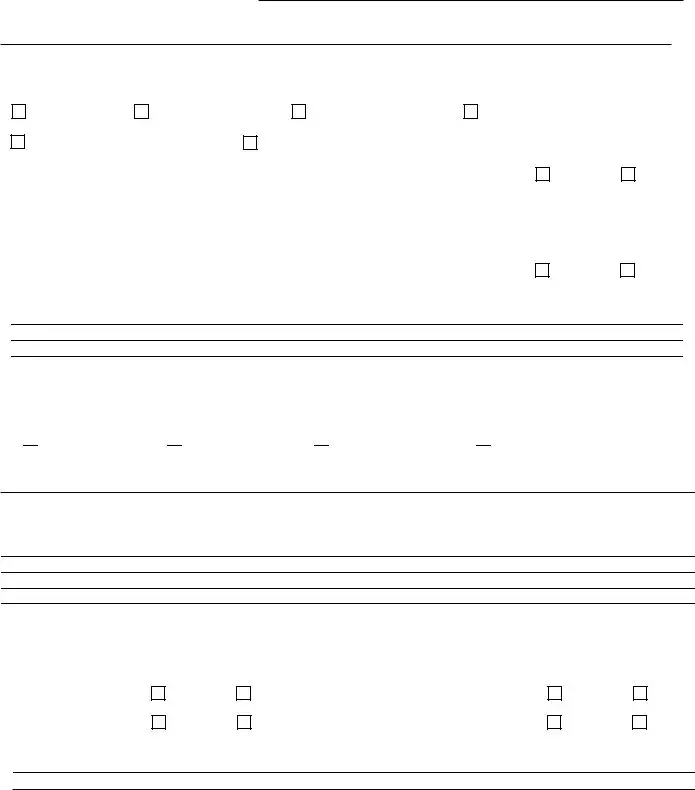
FUNCTION REPORT - ADULT - THIRD PARTY Form
READ ALL OF THIS INFORMATION BEFORE
YOU BEGIN COMPLETING THIS FORM
IF YOU NEED HELP
If you need help with this form, complete as much of it as you can and call the phone number provided on the letter sent with the form, or contact the person who asked you to complete the form. If you need the address or phone number for the office that provided the form, you can get it by calling Social Security at
HOW TO COMPLETE THIS FORM
The information that you give on this form will be used to make a decision on the disabled person's claim. You can help by completing as much of the form as you can. When a question refers to the "disabled person," it refers to the person who is applying for or receiving disability benefits.
It is important that you tell us what you know about the disabled person's activities and abilities.
DO NOT ASK THE DISABLED PERSON TO GIVE YOU ANSWERS
•Print or type.
•DO NOT LEAVE ANSWERS BLANK. If you do not know the answer or the answer is "none" or "does not apply," please write "don't know" or "none" or "does not apply."
•Do not ask a doctor or hospital to complete this form.
•Be sure to explain an answer if the question asks for an explanation, or if you think you need to explain an answer.
•If you need more space to answer any questions, use the "REMARKS" section on Page 10, and show the number of the question being answered.
Function Report - Adult - Third Party Form
REMEMBER TO GIVE US THE NAME AND ADDRESS OF THE PERSON
COMPLETING THIS FORM ON PAGE 10

Form |
Page 2 of 10 |
Privacy Act and Paperwork Reduction Act Statements
Sections 205(a), 223(d), and 1631 of the Social Security Act (Act), as amended, allow us to collect this information. Furnishing us this information is voluntary. However, failing to provide all or part of the information may prevent an accurate and timely decision on any claim filed.
We will use the information you provide to make a determination of eligibility for benefits. We may also share your information for the following purposes, called routine uses:
•To contractors and other Federal agencies, as necessary, for the purpose of assisting the Social Security Administration (SSA) in the efficient administration of its programs; and
•To applicants, claimants, prospective applicants or claimants, other than the data subject, their authorized representatives or representative payees to the extent necessary to pursue Social Security claims and to representative payees when the information pertains to individuals for whom they serve as representative payees, for the purpose of assisting SSA in administering its representative payment responsibilities under the Act and assisting the representative payees in performing their duties as payees, including receiving and accounting for benefits for individuals for whom they serve as payees.
In addition, we may share this information in accordance with the Privacy Act and other Federal laws. For example, where authorized, we may use and disclose this information in computer matching programs, in which our records are compared with other records to establish or verify a person's eligibility for Federal benefit programs and for repayment of incorrect or delinquent debts under these programs.
A list of additional routine uses is available in our Privacy Act System of Records Notices (SORN)
Paperwork Reduction Act Statement - This information collection meets the requirements of 44 U.S.C. § 3507, as amended by section 2 of the Paperwork Reduction Act of 1995. You do not need to answer these questions unless we display a valid Office of Management and Budget control number. We estimate that it will take about 61 minutes to read the instructions, gather the facts, and answer the questions. SEND OR BRING THE COMPLETED FORM TO
YOUR LOCAL SOCIAL SECURITY OFFICE. You can find your local Social Security office through SSA's website at www.socialsecurity.gov. Offices are also listed under U. S. Government agencies in your telephone directory or you may call Social Security at
PLEASE REMOVE THIS SHEET BEFORE RETURNING
THE COMPLETED FORM.
Form |
|
Discontinue Prior Editions |
Page 3 of 10 |
Social Security Administration |
OMB No. |
FUNCTION REPORT- ADULT - THIRD PARTY
How the disabled person's illnesses, injuries, or conditions limit his/her activities
For SSA Use Only
Do not write in this box.
Anyone who makes or causes to be made a false statement or representation of material fact for use in determining a payment under the Social Security Act, or knowingly conceals or fails to disclose an event with an intent to affect an initial or continued right to payment, commits a crime punishable under Federal law by fine, imprisonment, or both, and may be subject to administrative sanctions.
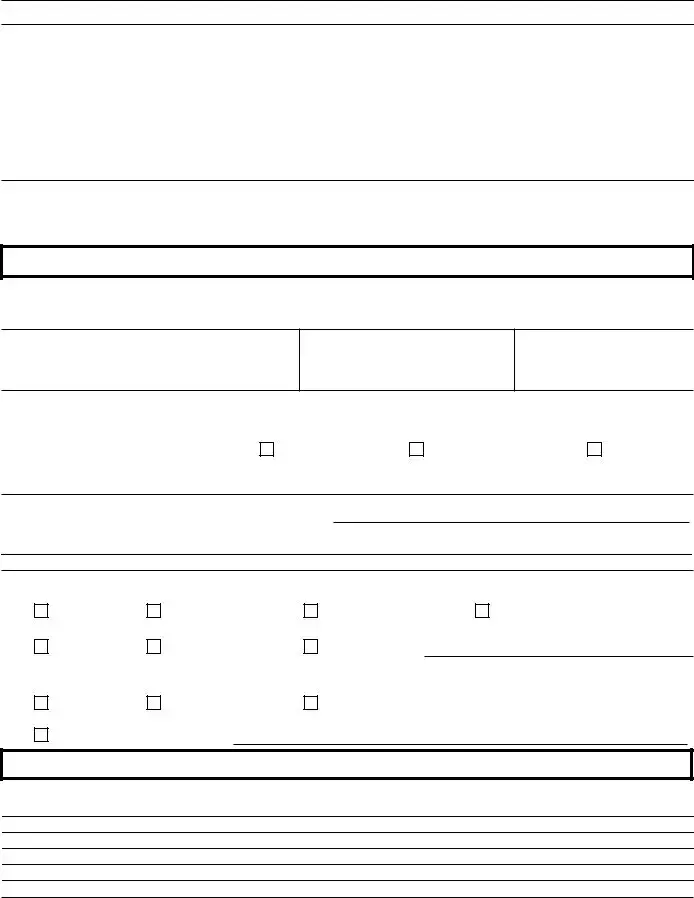
SECTION A - GENERAL INFORMATION
1.NAME OF DISABLED PERSON (First, Middle, Last)
2.YOUR NAME (Person completing the form)
3.RELATIONSHIP (To disabled person)
4.DATE (MM/DD/YYYY)
5.YOUR DAYTIME TELEPHONE NUMBER (If there is no telephone number where you can be reached, please give us a daytime number where we can leave a message for you.)
|
|
|
- |
|
|
|
|
Area Code |
Phone Number |
||
Your Number
Message Number
None
6.a. How long have you known the disabled person?
b. How much time do you spend with the disabled person and what do you do together?
7. a. Where does the disabled person live? (Check one.)
House |
Apartment |
Boarding House |
Shelter |
Group Home |
Other (What?) |
Nursing Home
b. With whom does he/she live? (Check one.)
Alone |
With Family |
Other (describe relationship)
With Friends
SECTION B - INFORMATION ABOUT ILLNESSES, INJURIES, OR CONDITIONS
8. How does this person's illnesses, injuries, or conditions limit his/her ability to work?
Form |
Page 4 of 10 |
|
|
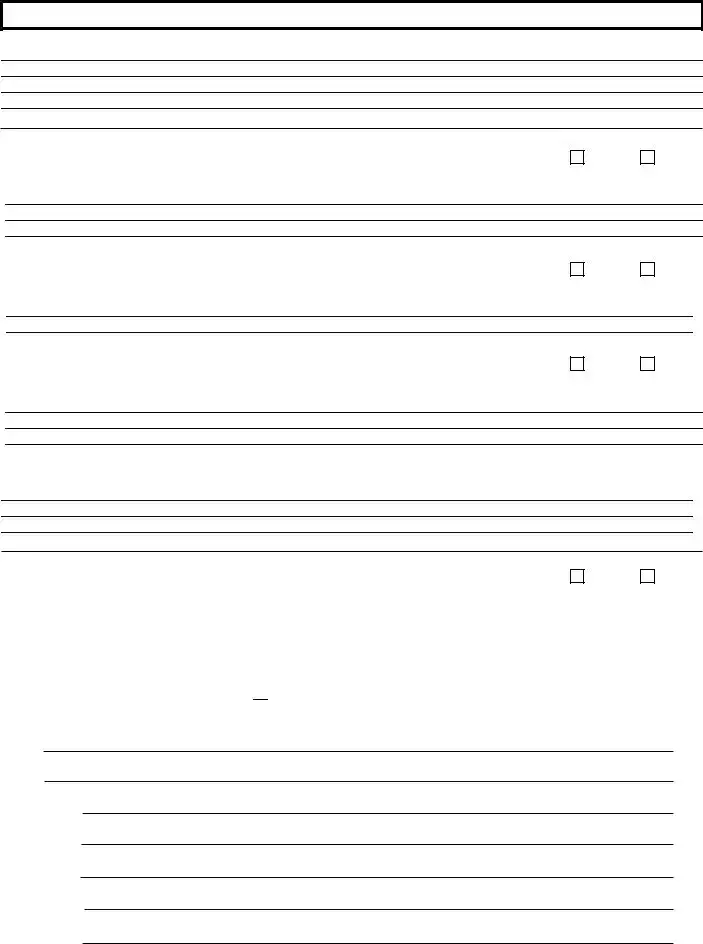
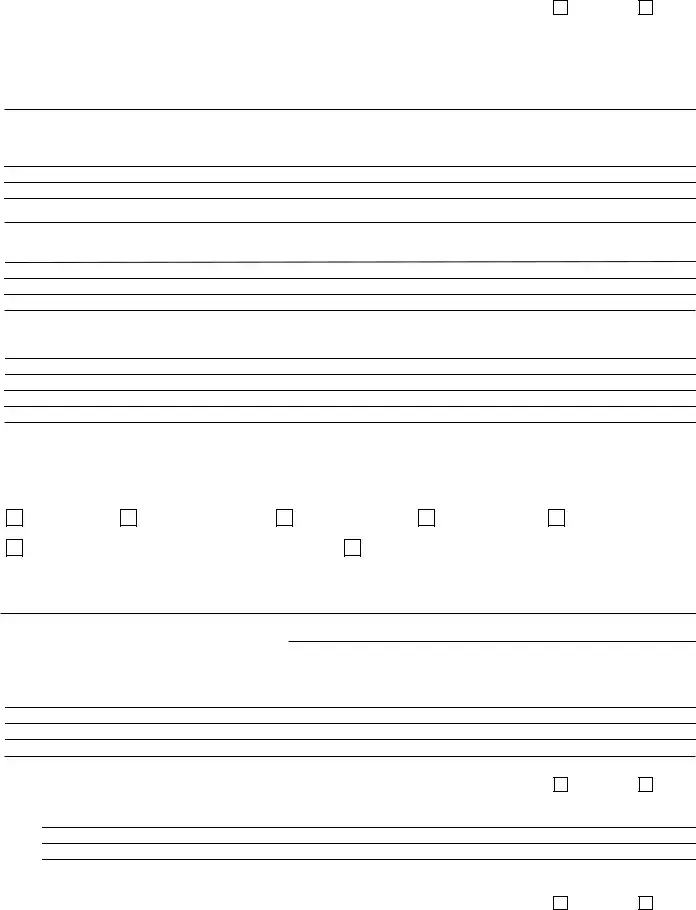
SECTION C - INFORMATION ABOUT DAILY ACTIVITIES
9. Describe what the disabled person does from the time he/she wakes up until going to bed.
10.Does this person take care of anyone else such as a wife/husband, children, grandchildren, parents, friend, other?
If "YES," for whom does he/she care, and what does he/she do for them?
Yes
No
11.Does he/she take care of pets or other animals? If "YES," what does he/she do for them?
12.Does anyone help this person care for other people or animals? If "YES," who helps, and what do they do to help?
Yes No
Yes No
13. What was the disabled person able to do before his/her illnesses, injuries, or conditions that he/she can't do now?
14. Do the illnesses, injuries, or conditions affect his/her sleep? |
Yes |
No |
|
|
If "YES," how? |
|
|
|
|
|
|
|
|
|
|
|
|
|
|
|
|
|
|
15. PERSONAL CARE (Check here if NO PROBLEM with personal care.)
a.Explain how the illnesses, injuries, or conditions affect this person's ability to: Dress
Bathe
Care for hair
Shave
Feed self
Use the toilet
Other
Form |
Page 5 of 10 |
|
|
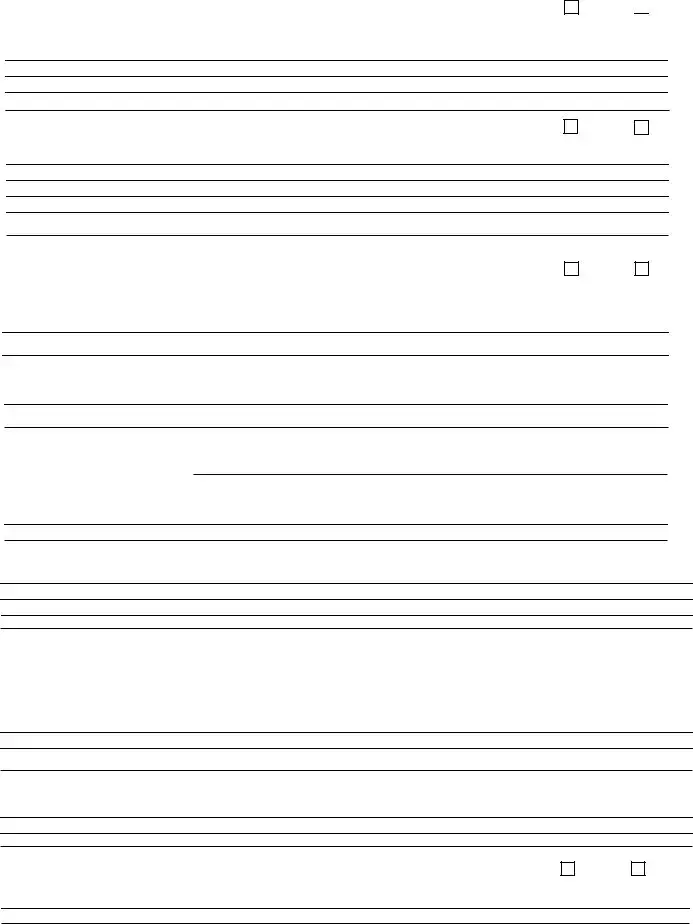
b. Does he/she need any special reminders to take care of personal needs and grooming?
If "YES," what type of help or reminders are needed?
c. Does he/she need help or reminders taking medicine? If "YES," what kind of help does he/she need?
Yes No
Yes No
16. MEALS |
|
a. Does the disabled person prepare his/her own meals? |
Yes |
If "Yes," what kind of food is prepared? (For example, sandwiches, frozen dinners, or complete meals with several courses.)
How often does he/she prepare food or meals? (For example, daily, weekly, monthly.)
How long does it take him/her?
Any changes in cooking habits since the illness, injuries, or conditions began?
b. If "No," explain why he/she cannot or does not prepare meals.
No
17.HOUSE AND YARD WORK
a . List household chores, both indoors and outdoors, that the disabled person is able to do . (For example, cleaning, laundry, household repairs, ironing, mowing, etc.)
b. How much time do chores take, and how often does he/she do each of these things?
c. Does he/she need help or encouragement doing these things? If "YES," what help is needed?
Yes
No
Form |
Page 6 of 10 |
||
|
|
|
|
|
d. If the disabled person doesn't do house or yard work, explain why not. |
|
|
|
|
|
|
|
|
|
|
|
|
|
|
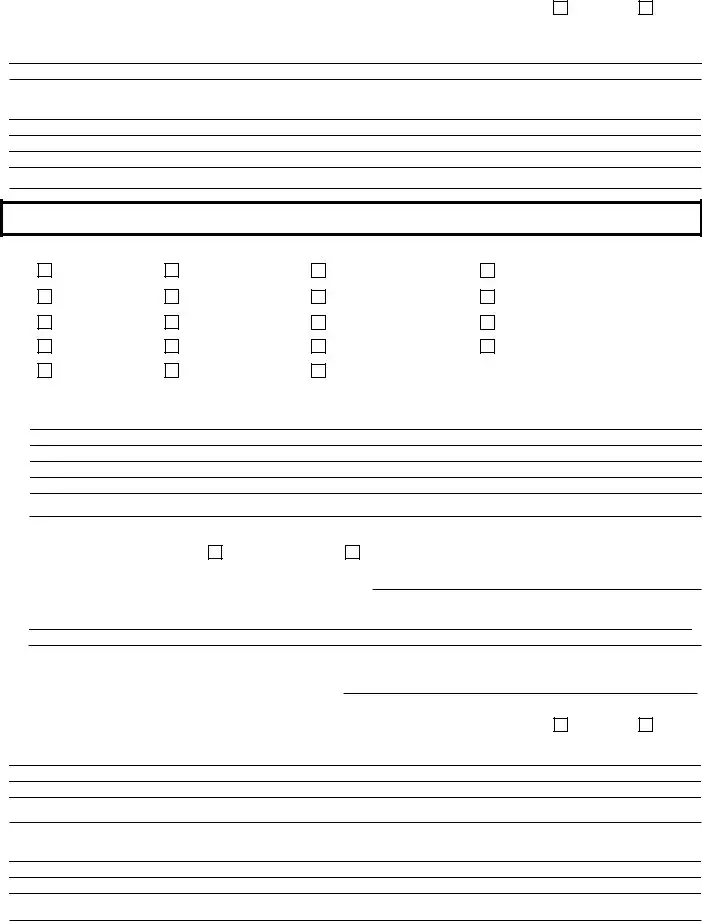
18.GETTING AROUND
a. How often does this person go outside?
If he/she doesn't go out at all, explain why not.
b. When going out, how does he/she travel? (Check all that apply.) |
|
|
||||
|
Walk |
Drive a car |
Ride in a car |
Ride a bicycle |
|
|
|
Use public transportation |
Other (Explain) |
|
|
||
c. When going out, can he/she go out alone? |
|
|
Yes |
No |
||
|
If "NO," explain why he/she can't go out alone. |
|
|
|||
|
|
|
|
|
|
|
|
|
|
|
|
|
|
d. Does the disabled person drive?
If he/she doesn't drive, explain why not.
Yes
No
19.SHOPPING
a. If the disabled person does any shopping, does he/she shop: (Check all that apply.)
In stores By phone By mail By computer b. Describe what he/she shops for.
c. How often does he/she shop and how long does it take?
20. MONEY
a. Is he/she able to: |
|
Pay bills |
Yes |
Count change |
Yes |
Explain all "NO" answers. |
|
No |
Handle a savings account |
No |
Use a checkbook/money orders |
Yes Yes
No No
Form |
|
Page 7 of 10 |
||
|
|
|
|
|
|
b. Has the disabled person's ability to handle money changed since |
Yes |
No |
|
|
the illnesses, injuries, or conditions began? |
|||
|
If "YES," explain how the ability to handle money has changed. |
|
|
|
|
|
|
|
|
|
|
|
|
|
|
|
|
|
|
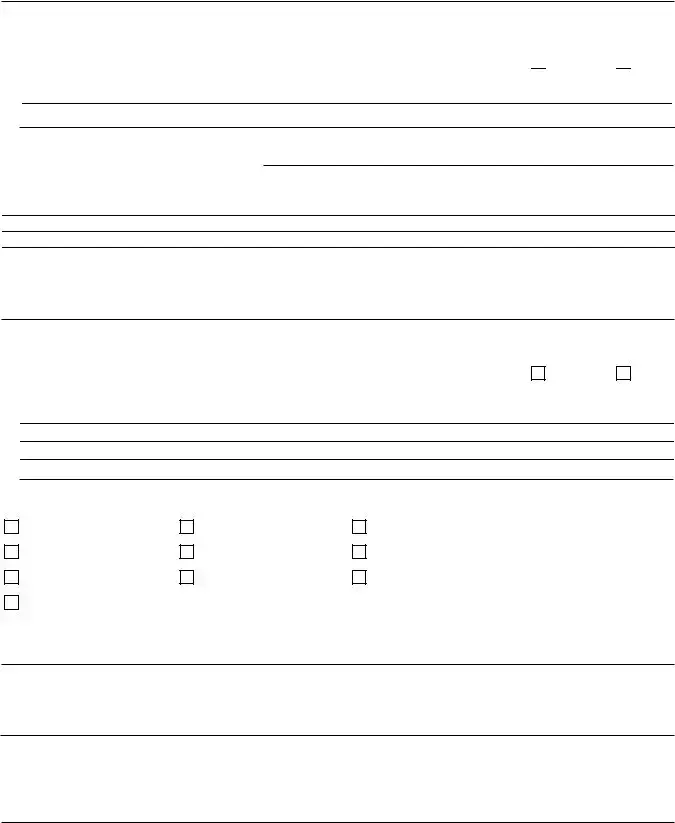
21.HOBBIES AND INTERESTS
a. What are his/her hobbies and interests? (For example, reading, watching TV, sewing, playing sports, etc.)
b. How often and how well does he/she do these things?
c. Describe any changes in these activities since the illnesses, injuries, or conditions began.
22.SOCIAL ACTIVITIES
a. How does the disabled person spend time with others? (Check all that apply.) |
|
||||
In person |
On the phone |
Texting |
|||
Video Chat (for example Skype or Facetime) |
|
Other (Explain) |
|
||
b. Describe the kinds of things he/she does with others. |
|
|
|
||
How often does he/she do these things?
c. List the places he/she goes on a regular basis. (For example, church, community center, sports events, social groups, etc.)
Does he/she need to be reminded to go places?
How often does he/she go and how much does he/she take part?
Yes
No
Does he/she need someone to accompany him/her?
Yes
No
Form |
Page 8 of 10 |
|
|
d. Does this person have any problems getting along with family, friends, neighbors, or others?
If "YES," explain.
Yes
No
e. Describe any changes in social activities since the illnesses, injuries, or conditions began.
SECTION D - INFORMATION ABOUT ABILITIES
23. a. Check any of the following items the disabled person's illnesses, injuries, or conditions affect:
Lifting
Squatting
Bending
Standing
Reaching
Walking
Sitting
Kneeling
Talking
Hearing
Stair Climbing
Seeing
Memory
Completing Tasks
Concentration
Understanding Following Instructions Using Hands
Getting Along with Others
Please explain how his/her illnesses, injuries, or conditions affect each of the items you checked. (For example, he/she can only lift [how many pounds], or he/she can only walk [how far])
b. Is the disabled person:
Right Handed?
Left Handed?
c. How far can he/she walk before needing to stop and rest?
If he/she has to rest, how long before he/she can resume walking?
d. For how long can the disabled person pay attention?
e. Does the disabled person finish what he/she starts? ( For example, a |
conversation, |
|
chores, reading, watching a movie.) |
Yes |
No |
f. How well does the disabled person follow written instructions? (For example, a recipe.)
g. How well does the disabled person follow spoken instructions?
Form |
Page 9 of 10 |
|
|
h. How well does the disabled person get along with authority figures? (For example, police, bosses, landlords or teachers.)
i. Has he/she ever been fired or laid off from a job because of problems
getting along with other people? Yes No If "YES," please explain.
If "YES," please give name of employer.
j . How well does the disabled person handle stress?
k. How well does he/she handle changes in routine?
l. Have you noticed any unusual behavior or fears in the disabled person? |
Yes |
No |
If "YES," please explain.
24. Does the disabled person use any of the following? (Check all that apply.)
Crutches |
Cane |
Hearing Aid |
Walker |
Brace/Splint |
Glasses/Contact Lenses |
Wheelchair |
Artificial Limb |
Artificial Voice Box |
Other (Explain) |
|
|
|
|
|
Which of these were prescribed by a doctor?
When was it prescribed?
When does this person need to use these aids?
Form |
Page 10 of 10 |
|
|
25.Does the disabled person currently take any medicines for his/her illnesses, injuries, or conditions?
If " YES," do any of the medicines cause side effects?
Yes
Yes
No
No
If "YES," please explain. (Do not list all of the medicines that the disabled person takes. List only the medicines that cause side effects for the disabled person.)
NAME OF MEDICINE
SIDE EFFECTS PERSON HAS
SECTION E - REMARKS
Use this section for any added information you did not show in earlier parts of this form. When you are done with this section (or if you didn't have anything to add), be sure to complete the fields at the bottom of this page.
Name of person completing this form (Please print)
Address (Number and Street)
Date (MM/DD/YYYY)
Email address (optional)
City
State
ZIP Code
| Fact Name | Description |
|---|---|
| Purpose | The SSA-3380-BK form is used to collect information about a claimant's mental impairment and how it affects their daily life. |
| Eligibility | This form is typically completed by individuals applying for Social Security Disability Insurance (SSDI) or Supplemental Security Income (SSI) based on mental health conditions. |
| Information Required | Claimants must provide detailed information about their mental health history, treatment, and the impact of their condition on their ability to work. |
| Submission Process | The completed SSA-3380-BK form can be submitted online, by mail, or in person at a local Social Security office. |
| State-Specific Forms | While the SSA-3380-BK is a federal form, some states may have additional requirements or forms governed by state disability laws. |
After obtaining the SSA-3380-BK form, you will need to fill it out carefully. This form requires personal information and details related to the specific case. Make sure to have all necessary documents on hand to assist you in completing it accurately.
What is the SSA SSA-3380-BK form?
The SSA SSA-3380-BK form, also known as the "Function Report – Adult," is a document used by the Social Security Administration (SSA) to gather information about how a person's disability affects their daily life. This form helps the SSA assess an individual's ability to perform basic activities, work-related tasks, and manage personal care.
Who needs to fill out the SSA SSA-3380-BK form?
Individuals applying for Social Security Disability Insurance (SSDI) or Supplemental Security Income (SSI) may be required to complete this form. It is particularly important for those whose disabilities impact their daily functioning. Family members or caregivers can assist in providing accurate information.
What kind of information is required on the form?
The form requests detailed information about various aspects of daily living, including:
Providing thorough and honest answers is crucial, as this information directly influences the SSA's decision regarding disability benefits.
How should I submit the SSA SSA-3380-BK form?
You can submit the form online through the SSA's website if you are applying for benefits online. Alternatively, you can print the form and mail it to your local SSA office. Ensure that you keep a copy for your records. If you need assistance, consider reaching out to a representative at the SSA or a qualified advocate.
What happens after I submit the SSA SSA-3380-BK form?
Once the SSA receives your form, they will review the information provided along with other medical and vocational evidence. This process may take several weeks. If the SSA requires additional information or clarification, they may contact you. It's essential to respond promptly to any requests to avoid delays in your application.
Filling out the SSA-3380-BK form can be a daunting task, and many individuals make common mistakes that can delay their Social Security Disability claims. One frequent error is failing to provide complete and accurate information. Each section of the form is designed to gather specific details about your condition and how it affects your daily life. Omitting information or providing vague answers can lead to misunderstandings and ultimately a denial of benefits.
Another mistake is not thoroughly explaining how your disability impacts your daily activities. The SSA-3380-BK form asks for detailed descriptions of your limitations. If you simply check boxes without elaborating, the reviewing officials may not fully grasp the extent of your struggles. Providing concrete examples can help paint a clearer picture of your situation.
Many applicants also underestimate the importance of consistency in their responses. Inconsistencies between the SSA-3380-BK form and other documents, such as medical records or previous applications, can raise red flags. It’s crucial to ensure that all your statements align and accurately reflect your condition. Discrepancies can lead to skepticism about your claim.
Another common pitfall is neglecting to update the form when circumstances change. If your condition worsens or you receive new treatments, it’s essential to reflect those changes on your SSA-3380-BK form. Failing to provide the most current information can result in a denial, as the SSA needs to understand your current health status to make an informed decision.
Lastly, many individuals overlook the importance of reviewing their completed form before submission. Errors in spelling, grammar, or clarity can detract from the professionalism of your application. Taking the time to proofread can help ensure that your message is clear and that your application is taken seriously. Submitting a polished form can make a significant difference in how your claim is perceived.
The SSA SSA-3380-BK form is used to gather information about an individual’s daily activities and how their disability affects their ability to work. When applying for Social Security benefits, there are several other forms and documents that may be required to support the application process. Below is a list of common forms and documents that are often used alongside the SSA SSA-3380-BK form.
Each of these documents plays a vital role in the Social Security benefits application process. Having them prepared and submitted can help ensure that the application is processed smoothly and efficiently.
The SSA-3380-BK form, used by the Social Security Administration (SSA) to assess an individual's mental functioning, shares similarities with several other documents within the realm of disability assessment. Here are nine such forms, each playing a crucial role in the evaluation process:
Each of these forms plays a vital role in the disability evaluation process, ensuring that the SSA can make informed decisions based on comprehensive and accurate information.
When filling out the SSA SSA-3380-BK form, it's essential to follow certain guidelines to ensure accuracy and completeness. Here are some do's and don'ts to keep in mind:
Understanding the SSA SSA-3380-BK form can be challenging, and several misconceptions may lead to confusion. Here are seven common misunderstandings about this important document:
This form is designed for those applying for Social Security Disability Insurance (SSDI) or Supplemental Security Income (SSI) based on mental or emotional conditions as well. It covers a wide range of disabilities.
For those seeking benefits based on mental impairments, completing the SSA-3380-BK is a crucial step. It provides necessary information that can significantly impact the outcome of your application.
While medical professionals can provide valuable insights, the form can and should be completed by the individual applying for benefits or their representative. Personal experiences and observations are vital.
Completing the SSA-3380-BK form does not guarantee that benefits will be awarded. The information provided is one part of a larger evaluation process that includes medical evidence and other documentation.
Applicants can request to update or correct information after submission. If new information arises or if there are errors, it is important to communicate these changes to the Social Security Administration.
Each individual’s situation is unique, and the SSA-3380-BK allows for personalized responses. Tailoring your answers to reflect your specific experiences and challenges is essential.
While the form itself is important, accompanying it with relevant medical records, treatment history, and other supporting documents can strengthen your application and provide a clearer picture of your condition.
By understanding these misconceptions, applicants can approach the SSA-3380-BK form with greater confidence and clarity. It is important to provide accurate and thorough information to enhance the chances of a successful application.
When filling out the SSA SSA-3380-BK form, there are several important points to keep in mind. This form is used to assess mental functioning for Social Security benefits. Here are some key takeaways:
Using the SSA-3380-BK form effectively can make a significant difference in your application process. Approach it thoughtfully and carefully.