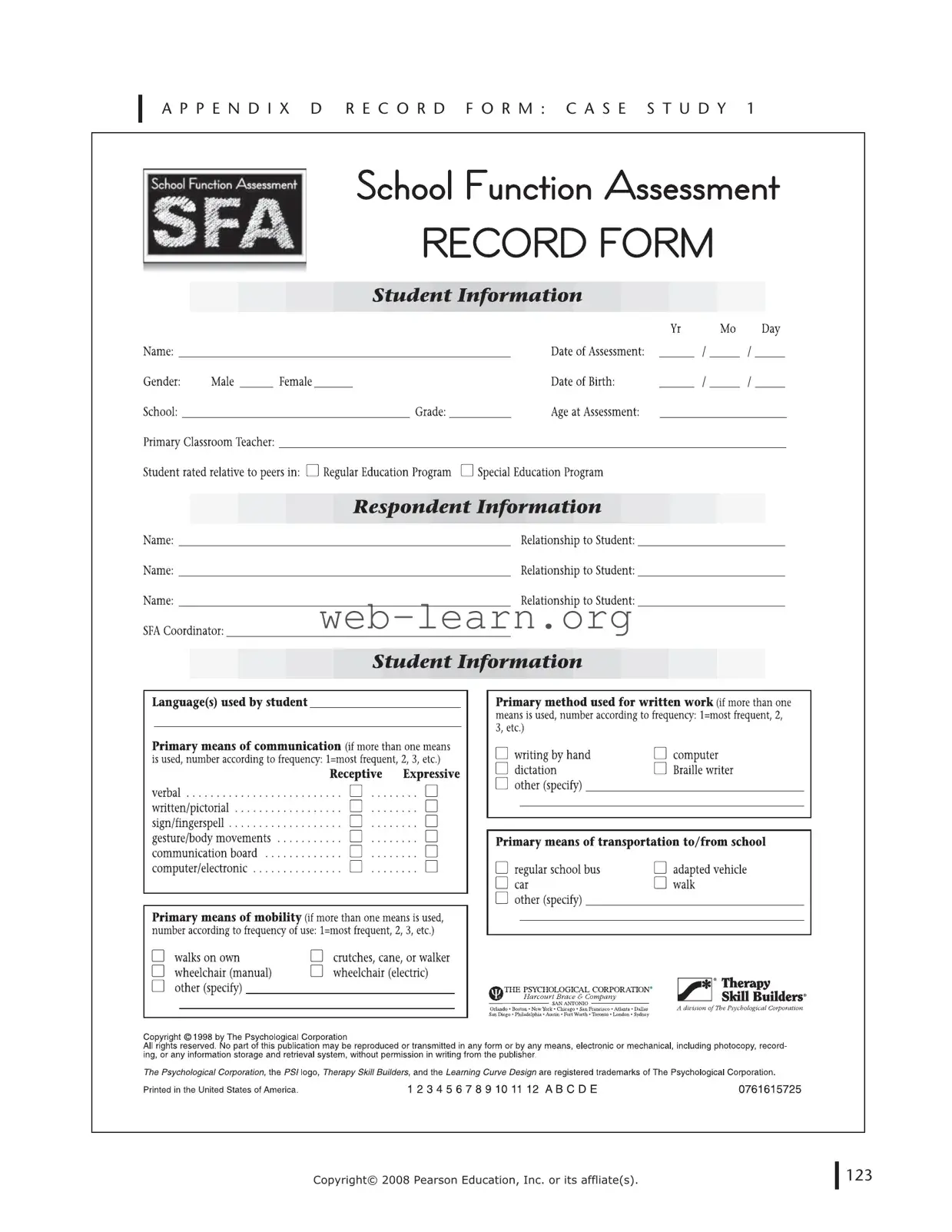
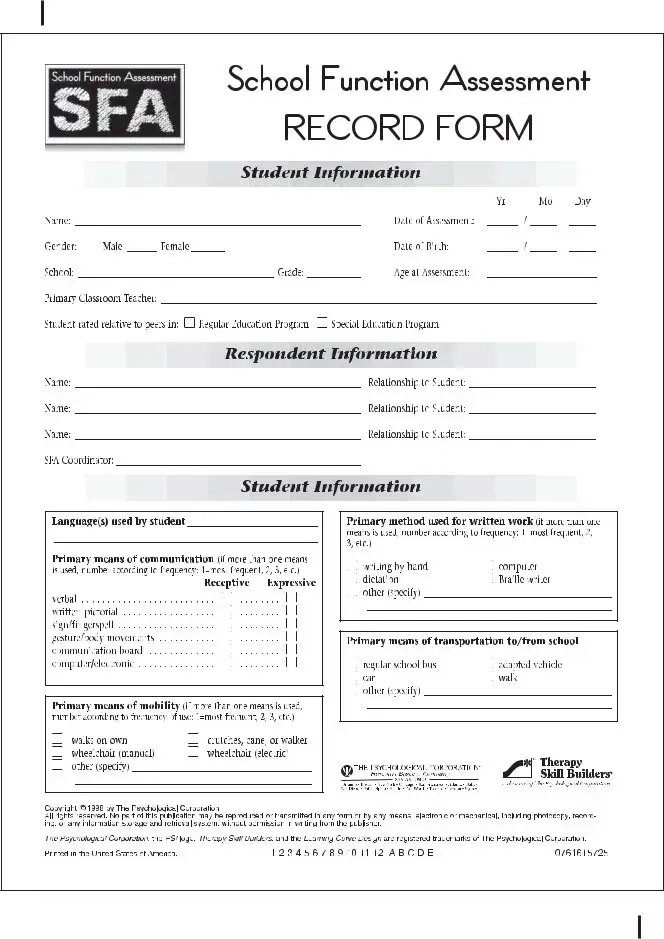
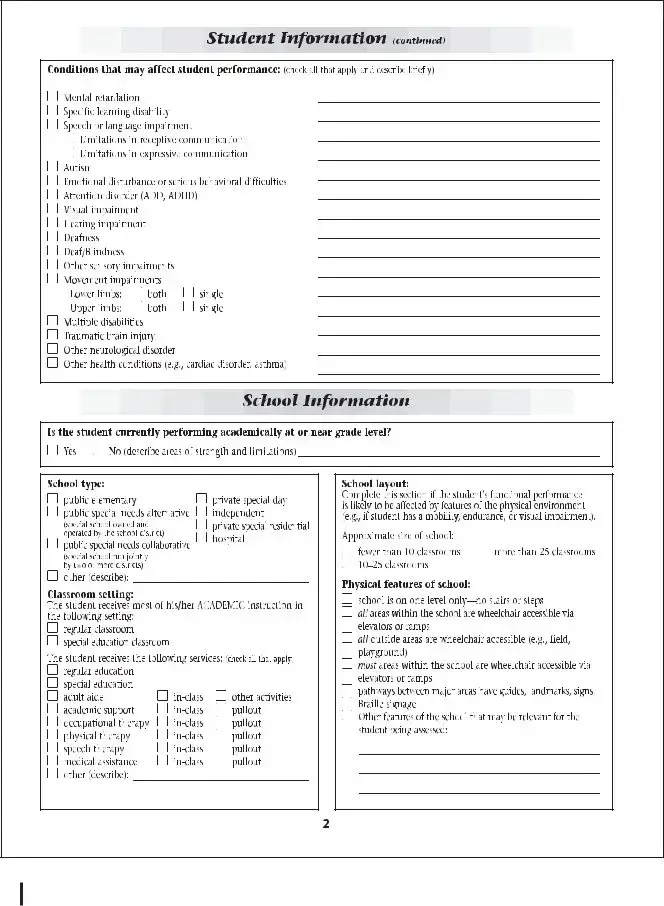
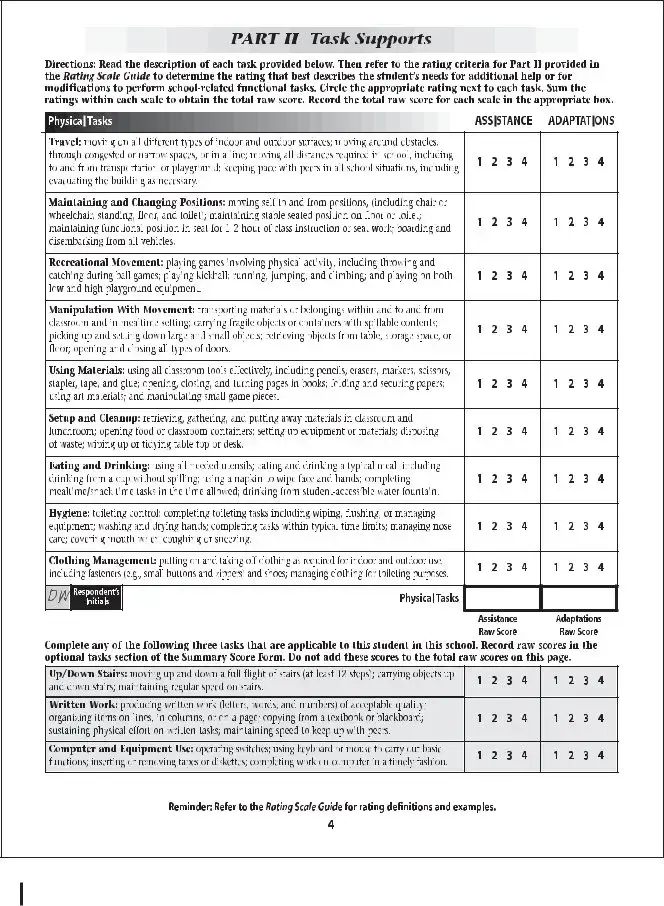
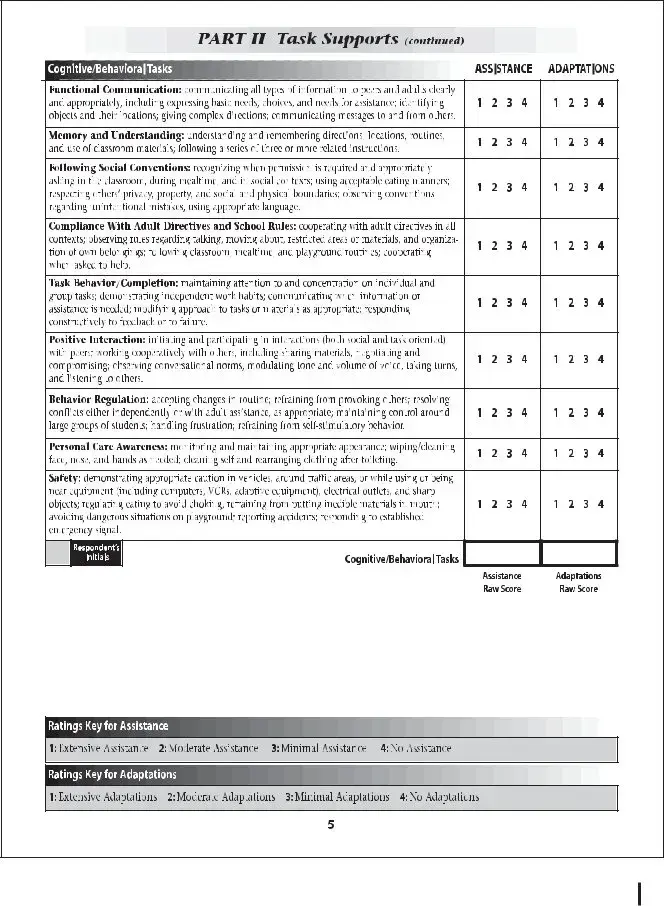
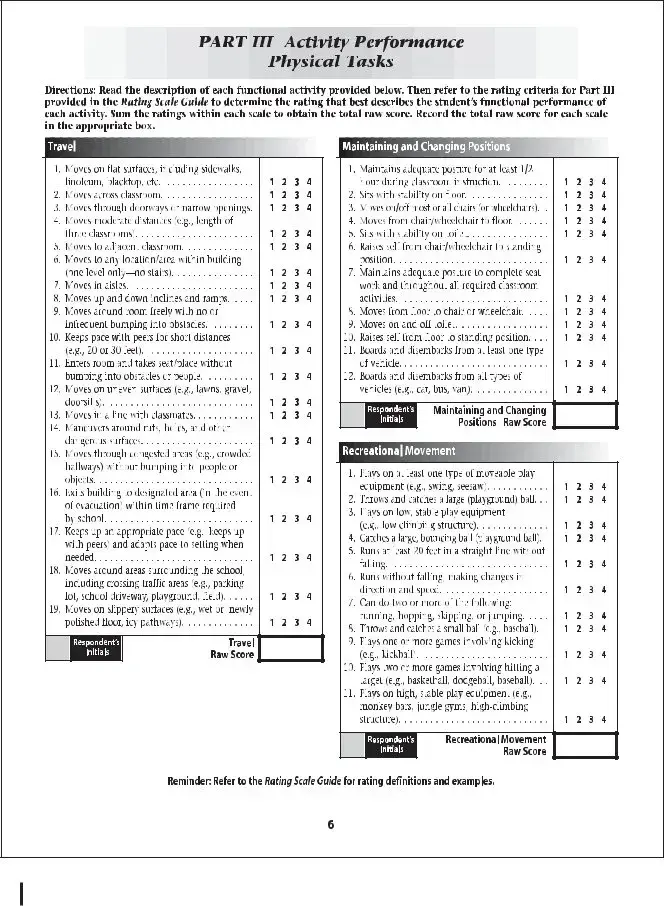
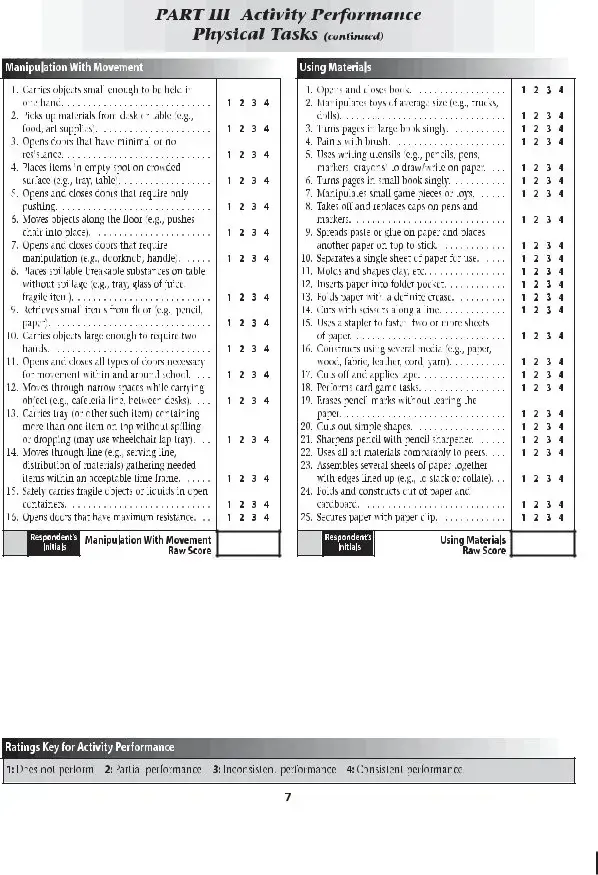
The School Function Assessment (SFA) form serves as a crucial tool for evaluating students' functional abilities within a school setting. This assessment focuses on how well students can perform tasks necessary for successful participation in school activities. It takes into account various aspects of a child's performance, including their ability to participate in academic tasks, social interactions, and self-care activities. By examining these areas, educators and specialists can identify strengths and challenges that may affect a student's educational experience. The SFA is designed to be completed by teachers and other school personnel who are familiar with the student’s daily routines and interactions. It provides valuable insights that can inform individualized education plans (IEPs) and support services, ensuring that each student receives the appropriate resources to thrive. Overall, the SFA is an essential component in promoting a supportive and inclusive educational environment.
A P P E N D I X D R E C O R D F O R M : C A S E S T U D Y 1 |
Copyright© 2008 Pearson Education, Inc. or its affliate(s).
123
R E C O R D F O R M : C A S E S T U D Y 1 |
124
Copyright© 2008 Pearson Education, Inc. or its affliate(s).
R E C O R D F O R M : C A S E S T U D Y 1 |
Copyright© 2008 Pearson Education, Inc. or its affliate(s).
125
R E C O R D F O R M : C A S E S T U D Y 1 |
126
Copyright© 2008 Pearson Education, Inc. or its affliate(s).
R E C O R D F O R M : C A S E S T U D Y 1 |
Copyright© 2008 Pearson Education, Inc. or its affliate(s).
127
R E C O R D F O R M : C A S E S T U D Y 1 |
128
Copyright© 2008 Pearson Education, Inc. or its affliate(s).
R E C O R D F O R M : C A S E S T U D Y 1
Copyright© 2008 Pearson Education, Inc. or its affliate(s).
129
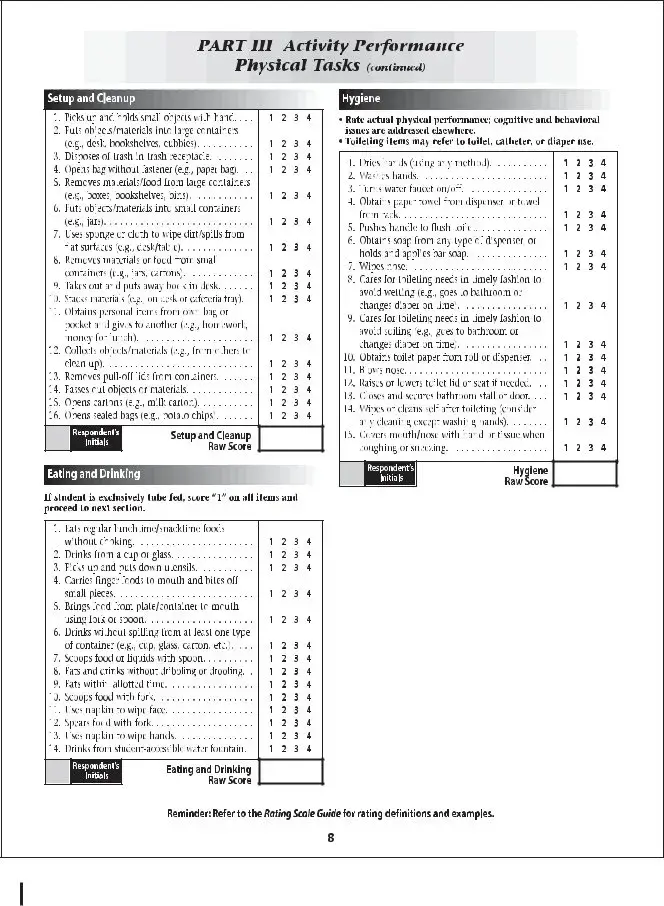
R E C O R D F O R M : C A S E S T U D Y 1 |
130
Copyright© 2008 Pearson Education, Inc. or its affliate(s).
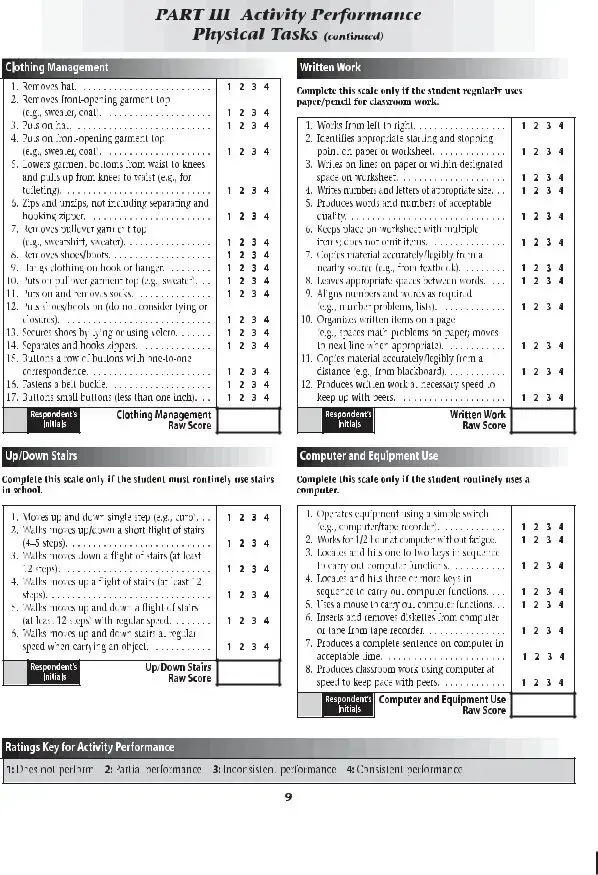
R E C O R D F O R M : C A S E S T U D Y 1
Copyright© 2008 Pearson Education, Inc. or its affliate(s).
131
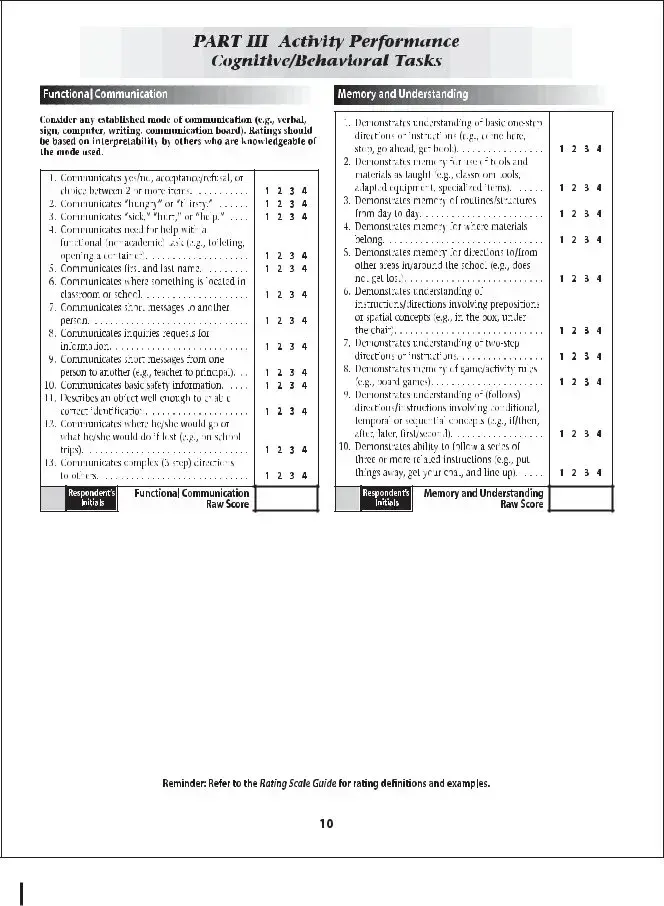
R E C O R D F O R M : C A S E S T U D Y 1 |
132
Copyright© 2008 Pearson Education, Inc. or its affliate(s).
| Fact Name | Description |
|---|---|
| Purpose | The School Function Assessment (SFA) is designed to evaluate a student's participation in school-related activities. |
| Age Range | This assessment is typically used for students aged 5 to 12 years who are enrolled in elementary school. |
| Components | The SFA includes sections that assess a student's performance in areas such as mobility, self-care, and social interactions. |
| Administration | The assessment is usually completed by a team of professionals, including teachers and therapists, to ensure a comprehensive evaluation. |
| State-Specific Forms | Some states may have specific adaptations of the SFA, governed by local education laws, such as the Individuals with Disabilities Education Act (IDEA). |
| Outcome Use | The results from the SFA help inform individualized education plans (IEPs) and support services for students. |
Completing the School Function Assessment form is an important step in gathering information about a student's needs and abilities. Following these steps will help ensure that you fill out the form accurately and completely, facilitating a thorough assessment process.
What is the School Function Assessment (SFA)?
The School Function Assessment is a tool designed to evaluate a student's performance in school settings. It assesses how well a student can participate in school-related activities, focusing on their physical, social, and academic abilities. The assessment helps identify areas where support may be needed.
Who should use the SFA?
The SFA is primarily used by educators, therapists, and other professionals working with students, particularly those with disabilities. It provides valuable insights for developing individualized education plans (IEPs) and ensuring that students receive appropriate accommodations.
What age group does the SFA target?
The SFA is intended for students from kindergarten through sixth grade. It is most effective when used with children who are still developing their functional skills in a school environment.
How is the SFA administered?
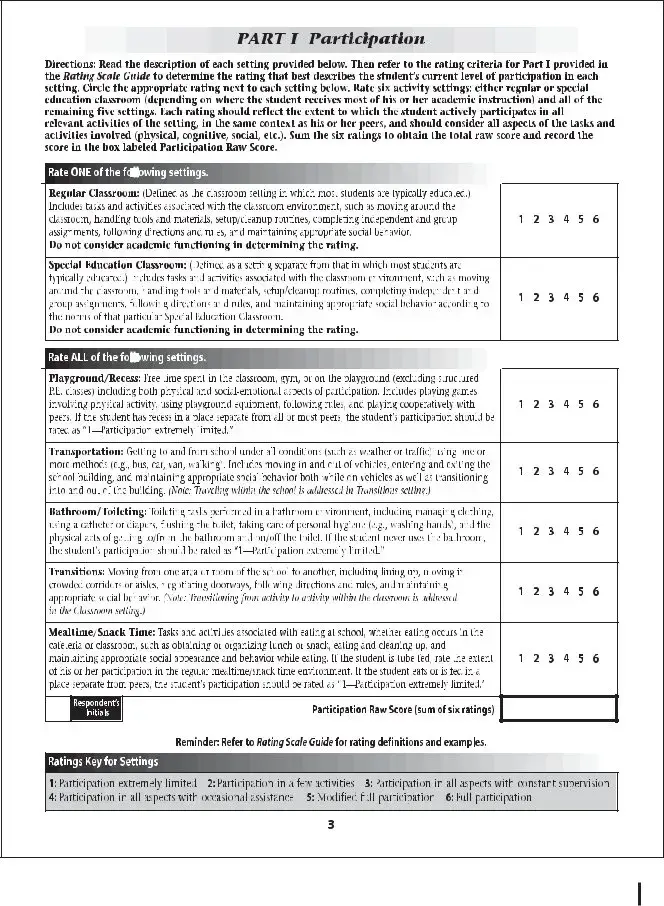
The assessment is typically completed by teachers or school staff who are familiar with the student’s daily activities. It involves rating the student’s performance in various areas, including participation, task support, and activity performance.
What areas does the SFA assess?
These areas help identify strengths and challenges that the student may face in school.
How long does it take to complete the SFA?
The time required to complete the SFA can vary, but it generally takes about 30 to 60 minutes. This includes gathering observations and filling out the assessment form.
What happens after the SFA is completed?
Once the SFA is completed, the results are analyzed to determine the student’s functional abilities. This information can then be used to inform instructional strategies, accommodations, and interventions tailored to the student's needs.
Is the SFA valid and reliable?
Yes, the SFA has been extensively researched and is considered both valid and reliable. It has been tested in various educational settings and has shown consistent results in assessing student performance.
Where can I find the SFA form?
The SFA form can typically be obtained through educational institutions, occupational therapy providers, or directly from the publisher. It is important to use the most current version to ensure accuracy and relevance.
Filling out the School Function Assessment form can be a straightforward task, but many people inadvertently make mistakes that can affect the outcome. One common error is overlooking instructions. Each section of the form typically comes with specific guidelines. Ignoring these can lead to incomplete or incorrect information.
Another frequent mistake is inconsistent responses. When individuals answer questions without considering previous answers, it can create confusion. Consistency is key to providing a clear picture of the student's abilities and needs.
Some people also fail to provide enough detail in their responses. While brevity is often appreciated, this form requires comprehensive information. Vague answers can lead to misunderstandings about a student's capabilities or challenges.
Additionally, not involving relevant parties is a mistake that can have significant implications. Parents, teachers, and therapists can offer valuable insights. Their input can enrich the assessment and lead to a more accurate representation of the student’s needs.
Another common pitfall is rushing through the form. Taking time to thoughtfully consider each question can make a big difference. Hasty completion often results in errors or missed opportunities to convey important information.
Some individuals might also neglect to review their answers before submission. A final check can catch errors or inconsistencies that were initially overlooked. This simple step can enhance the overall quality of the assessment.
Furthermore, failing to use specific examples can hinder the effectiveness of the assessment. Concrete examples help illustrate a student's performance and can clarify their strengths and weaknesses.
Finally, ignoring the importance of follow-up can be detrimental. Once the form is submitted, it’s crucial to engage in discussions about the results. This ongoing communication can ensure that the assessment leads to meaningful support for the student.
The School Function Assessment (SFA) form is a crucial tool used by educators and specialists to evaluate students' functional abilities in a school setting. Alongside the SFA, several other forms and documents are commonly utilized to provide a comprehensive view of a student's needs and progress. Below is a list of these documents, each serving a specific purpose in the assessment and support process.
Each of these documents plays a significant role in supporting students' educational journeys. By utilizing them in conjunction with the School Function Assessment form, educators can create a more holistic approach to meet the diverse needs of students.
The School Function Assessment form is similar to several other documents that evaluate student performance and needs in educational settings. Below is a list of six such documents, highlighting their similarities.
When filling out the School Function Assessment form, there are several important guidelines to follow. The following list outlines what you should and should not do:
Understanding the School Function Assessment (SFA) form is crucial for educators and parents alike. However, several misconceptions can lead to confusion about its purpose and use. Here are six common misconceptions:
By addressing these misconceptions, stakeholders can better utilize the SFA to support students in achieving their educational goals.
Filling out the School Function Assessment form is a crucial step in understanding a student's needs. Here are key takeaways to consider:
By following these guidelines, you can ensure that the School Function Assessment form serves its intended purpose effectively.