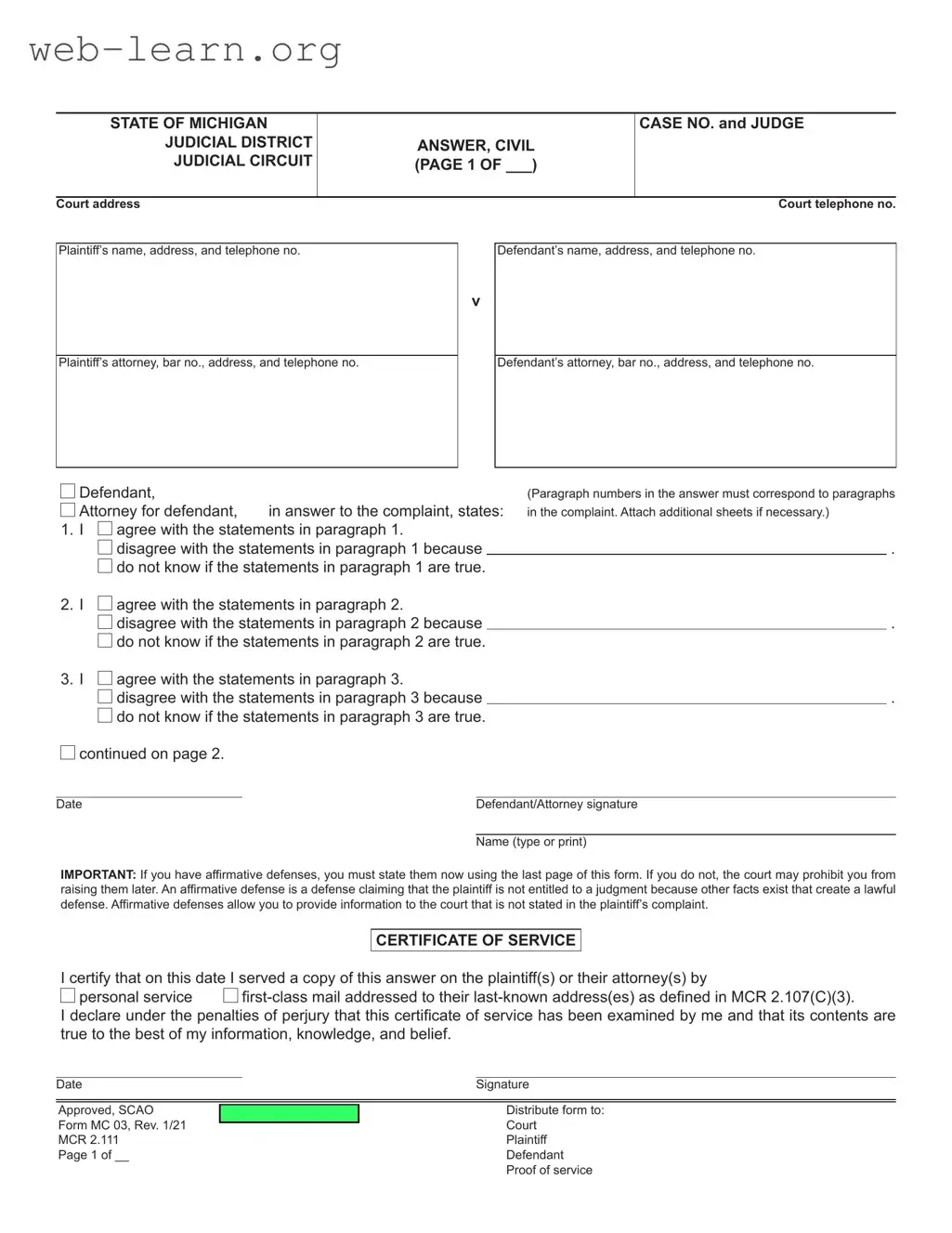
The Michigan Civil form, specifically Form MC 03, serves as a critical document for individuals responding to a civil complaint. It outlines the necessary steps to file and serve an answer, ensuring compliance with court procedures. Timeliness is essential; defendants must respond within 21 days if personally served, or 28 days if served by mail or outside the state. Failing to answer can lead to a default judgment against the defendant, allowing the court to rule in favor of the plaintiff without further input. The form requires detailed information, including the court number, case number, and contact details for both parties. Defendants must address each statement in the complaint, indicating agreement, disagreement, or uncertainty. If there are affirmative defenses, they must be included to preserve the right to raise them later. After completing the form, defendants must make copies, file the original with the court, and serve a copy to the plaintiff or their attorney. This process is vital for ensuring that all parties are informed and that the defendant's position is formally recognized in the legal proceedings.
STATE OF MICHIGAN JUDICIAL DISTRICT JUDICIAL CIRCUIT
ANSWER, CIVIL (PAGE 1 OF ___)
CASE NO. and JUDGE
Court address |
Court telephone no. |
Plaintiff’s name, address, and telephone no.
Defendant’s name, address, and telephone no.
v
Plaintiff’s attorney, bar no., address, and telephone no.
Defendant’s attorney, bar no., address, and telephone no.
|
Defendant, |
|
|
(Paragraph numbers in the answer must correspond to paragraphs |
||
|
Attorney for defendant, |
in answer to the complaint, states: |
in the complaint. Attach additional sheets if necessary.) |
|||
1. |
I |
agree with the statements in paragraph 1. |
|
|
||
|
|
disagree with the statements in paragraph 1 because |
|
|
. |
|
|
|
do not know if the statements in paragraph 1 are true. |
|
|
||
2. |
I |
agree with the statements in paragraph 2. |
|
|
||
|
|
disagree with the statements in paragraph 2 because |
|
|
. |
|
|
|
do not know if the statements in paragraph 2 are true. |
|
|
||
3. |
I |
agree with the statements in paragraph 3. |
|
|
||
|
|
disagree with the statements in paragraph 3 because |
|
|
. |
|
|
|
do not know if the statements in paragraph 3 are true. |
|
|
||
continued on page 2.
Date |
Defendant/Attorney signature |
|
|
|
Name (type or print) |
IMPORTANT: If you have affirmative defenses, you must state them now using the last page of this form. If you do not, the court may prohibit you from raising them later. An affirmative defense is a defense claiming that the plaintiff is not entitled to a judgment because other facts exist that create a lawful defense. Affirmative defenses allow you to provide information to the court that is not stated in the plaintiff’s complaint.
CERTIFICATE OF SERVICE
I certify that on this date I served a copy of this answer on the plaintiff(s) or their attorney(s) by
personal service
I declare under the penalties of perjury that this certificate of service has been examined by me and that its contents are true to the best of my information, knowledge, and belief.
Date
Approved, SCAO Form MC 03, Rev. 1/21 MCR 2.111
Page 1 of __
Signature
Distribute form to: Court
Plaintiff
Defendant Proof of service

Answer, Civil (1/21)
Page 2 of __
Plaintiff’s name
continued from page 1.
Case No.
Defendant’s name
v
4. I |
agree with the statements in paragraph 4. |
|
|
|||
|
disagree with the statements in paragraph 4 because |
|
|
. |
||
|
do not know if the statements in paragraph 4 are true. |
|
|
|||
5. I |
agree with the statements in paragraph 5. |
|
|
|||
|
disagree with the statements in paragraph 5 because |
|
|
. |
||
|
do not know if the statements in paragraph 5 are true. |
|
|
|||
6. I |
agree with the statements in paragraph 6. |
|
|
|||
|
disagree with the statements in paragraph 6 because |
|
|
|
|
. |
|
do not know if the statements in paragraph 6 are true. |
|
|
|||
7. I |
agree with the statements in paragraph 7. |
|
|
|||
|
disagree with the statements in paragraph 7 because |
|
|
. |
||
|
do not know if the statements in paragraph 7 are true. |
|
|
|||
8. I |
agree with the statements in paragraph 8. |
|
|
|||
|
disagree with the statements in paragraph 8 because |
|
. |
|
||
|
do not know if the statements in paragraph 8 are true. |
|
|
|||
9. I |
agree with the statements in paragraph 9. |
|
|
|||
|
disagree with the statements in paragraph 9 because |
|
. |
|
||
|
do not know if the statements in paragraph 9 are true. |
|
|
|||
10. I agree with the statements in paragraph 10. |
|
|
||||
|
disagree with the statements in paragraph 10 because |
|
|
. |
||
|
do not know if the statements in paragraph 10 are true. |
|
|
|||
11. I agree with the statements in paragraph 11. |
|
|
||||
|
disagree with the statements in paragraph 11 because |
|
|
. |
||
|
do not know if the statements in paragraph 11 are true. |
|
|
|||
12. I agree with the statements in paragraph 12. |
|
|
||||
|
disagree with the statements in paragraph 12 because |
|
|
. |
||
|
do not know if the statements in paragraph 12 are true. |
|
|
|||
13. I agree with the statements in paragraph 13. |
|
|
||||
|
disagree with the statements in paragraph 13 because |
|
|
. |
||
|
do not know if the statements in paragraph 13 are true. |
|
|
|||
14. I agree with the statements in paragraph 14. |
|
|
||||
|
disagree with the statements in paragraph 14 because |
|
|
. |
||
|
do not know if the statements in paragraph 14 are true. |
|
|
|||
15. I agree with the statements in paragraph 15. |
|
|
||||
|
disagree with the statements in paragraph 15 because |
|
|
. |
||
|
do not know if the statements in paragraph 15 are true. |
|
|
|||
continued on page 3.

Answer, Civil (1/21)
Page 3 of __
Plaintiff’s name
continued from page 2.
Case No.
Defendant’s name
v
16. |
I agree with the statements in paragraph 16. |
|
|
|
disagree with the statements in paragraph 16 because |
. |
|
|
do not know if the statements in paragraph 16 are true. |
|
|
17. |
I agree with the statements in paragraph 17. |
|
|
|
disagree with the statements in paragraph 17 because |
. |
|
|
do not know if the statements in paragraph 17 are true. |
|
|
18. |
I agree with the statements in paragraph 18. |
|
|
|
disagree with the statements in paragraph 18 because |
|
. |
|
do not know if the statements in paragraph 18 are true. |
|
|
19. |
I agree with the statements in paragraph 19. |
|
|
|
disagree with the statements in paragraph 19 because |
. |
|
|
do not know if the statements in paragraph 19 are true. |
|
|
20. |
I agree with the statements in paragraph 20. |
|
|
|
disagree with the statements in paragraph 20 because |
. |
|
|
do not know if the statements in paragraph 20 are true. |
|
|
21. |
I agree with the statements in paragraph 21. |
|
|
|
disagree with the statements in paragraph 21 because |
. |
|
|
do not know if the statements in paragraph 21 are true. |
|
|
22. |
I agree with the statements in paragraph 22. |
|
|
|
disagree with the statements in paragraph 22 because |
. |
|
|
do not know if the statements in paragraph 22 are true. |
|
|
23. |
I agree with the statements in paragraph 23. |
|
|
|
disagree with the statements in paragraph 23 because |
. |
|
|
do not know if the statements in paragraph 23 are true. |
|
|
24. |
I agree with the statements in paragraph 24. |
|
|
|
disagree with the statements in paragraph 24 because |
. |
|
|
do not know if the statements in paragraph 24 are true. |
|
|
25. |
I agree with the statements in paragraph 25. |
|
|
|
disagree with the statements in paragraph 25 because |
. |
|
|
do not know if the statements in paragraph 25 are true. |
|
|
26. |
I agree with the statements in paragraph 26. |
|
|
|
disagree with the statements in paragraph 26 because |
. |
|
|
do not know if the statements in paragraph 26 are true. |
|
|
27. |
I agree with the statements in paragraph 27. |
|
|
|
disagree with the statements in paragraph 27 because |
. |
|
|
do not know if the statements in paragraph 27 are true. |
|
|
continued on additional page(s).
Answer, Civil (1/21) Page __ of __
Plaintiff’s name
Case No.
Defendant’s name
v
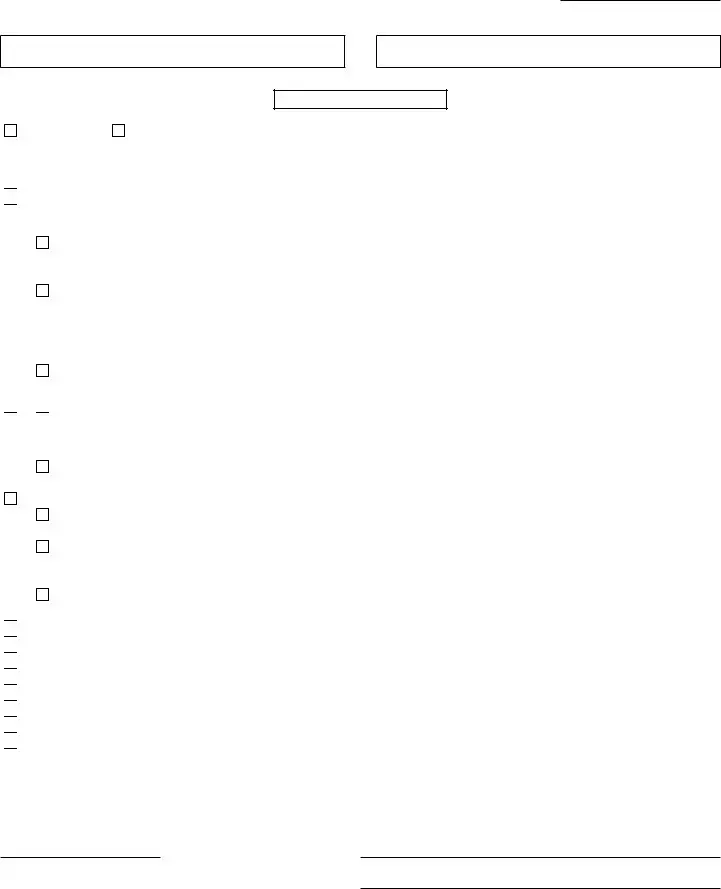
AFFIRMATIVE DEFENSES
Defendant, |
Attorney for defendant, |
states the following affirmative defenses: |
CHECK ALL THAT APPLY (for each box checked, attach a statement of facts)
1. I paid this debt in full (satisfied). Attached is proof of payment. 2. This action is barred by the statute of limitations because
the plaintiff failed to sue within six years of |
|
, the last activity on the alleged account. |
|
|||
MCL 600.5807(8) |
Date |
|
|
|
|
|
|
|
|
|
|
|
|
the alleged contract involves a motor vehicle retail installment sales contract or the sale of other goods, and the |
|
|||||
plaintiff failed to sue within four years of |
|
|
|
, the last activity on the alleged account. |
|
|
MCL 440.2725(1) |
Date |
|
|
|
|
|
|
|
|
|
|
|
|
the plaintiff failed to sue within three years after the alleged contract of sale of a mobile home on |
. |
|||||
MCL 125.2333 |
|
|
|
|
Date |
|
|
|
|
|
|
|
|
3. I paid an amount that the plaintiff accepted as payment in full (accord and satisfaction). Attached is proof of payment.
The debt was discharged in bankruptcy. The case number was |
. |
|
|
||
4. The contract is void or voidable because |
|
|
|
|
|
I was a minor when the alleged contract was made. |
|
|
|
|
|
I was not mentally competent when the alleged contract was made. Probate case number |
. |
||||
Attached are my letters of conservatorship/guardianship. |
|
|
|
|
|
there was no valid contract (no meeting of the minds) because |
|
|
|
|
. |
5. The contract was severely unjust or extremely
6. I am not liable for the alleged damages because of the plaintiff’s contributory negligence.
7. The alleged contract is unenforceable because it is not in writing (statute of frauds).
8. My vehicle was repossessed and later sold in a commercially unreasonable manner. MCL 440.9607(3).
9. The contract should not be enforced because of the plaintiff’s improper conduct (fraud and/or duress).
10. The goods purchased were defective (failure of consideration).
11. The terms of the contract did not express what the parties intended (mutual mistake).
12. I have not been credited for all payments made on the alleged account. Attached is proof of payment. 13. Other:
Date |
Defendant/Attorney Signature |
Name (type or print)
| Fact Name | Details |
|---|---|
| Filing Deadline | If personally served, answer within 21 days; if served by mail or outside Michigan, 28 days. |
| Default Judgment | Failure to respond may result in a default judgment against you, granting the plaintiff a win without your input. |
| Answer Form | Use Form MC 03 to file your answer. This can be completed online or via a paper copy from the court. |
| No Filing Fee | There is no fee required to file an answer to the complaint. |
| Affirmative Defenses | State any affirmative defenses on the last page of the form to avoid being barred from raising them later. |
| Copies Required | Make four copies of your completed answer: one for the court, one for yourself, and two for service. |
| Service Method | Serve the answer to the plaintiff or their attorney via personal service or first-class mail. |
| Certificate of Service | Complete the certificate of service on the remaining copies after serving the plaintiff. |
| Governing Laws | The process is governed by Michigan Court Rules (MCR) 2.111 and relevant Michigan Compiled Laws (MCL). |
Filling out the Michigan Civil form can be a straightforward process if you follow the steps carefully. This form is essential for responding to a complaint, and it is important to complete it accurately and timely. Below are the steps you need to take to fill out the form correctly.
Remember, it is essential to bring all documents to the hearing that support your responses on the answer form. This preparation will help ensure that you are ready to present your case effectively.
What is the Michigan Civil form MC 03?
The Michigan Civil form MC 03 is used to file an answer to a complaint in civil court. If you have received a complaint, this form allows you to respond formally to the claims made against you. It is essential to complete and submit this form by the deadline stated in the summons.
How do I file an answer using the MC 03 form?
To file an answer, you need to:
What is the deadline for filing my answer?
If you were personally served, you have 21 days from the date you received the summons to file your answer. If you were served by mail or outside of Michigan, you have 28 days. Missing this deadline could result in a default judgment against you.
What should I include in my answer?
Your answer must respond to each numbered statement in the complaint. You will check one box for each statement, indicating whether you agree, disagree, or do not know if the statements are true. If you have any affirmative defenses, you must include them on the last page of the form.
What are affirmative defenses?
Affirmative defenses are claims that, even if the plaintiff's statements are true, you have valid reasons that should prevent the court from ruling against you. Examples include proving that you paid the debt or that the contract was void due to certain circumstances.
How do I serve my answer to the plaintiff?
You can serve your answer by personal delivery or by mailing it via first-class mail. If the plaintiff has an attorney, you must serve the attorney instead of the plaintiff. Ensure you complete the certificate of service at the bottom of the remaining copies of the form.
What happens if I don’t file my answer?
If you do not file your answer by the deadline, the court may enter a default judgment against you. This means the judge could rule in favor of the plaintiff without hearing your side of the case.
Where can I find additional help?
You can visit the Michigan Court's Self-Help Center for more information on filing an answer, demanding a jury, and preparing for trial. Their website provides valuable resources and guidance for individuals navigating the court system.
When filling out the Michigan Civil form (MC 03), many people make common mistakes that can lead to delays or complications in their case. One frequent error is failing to provide accurate information about the court and the parties involved. It's essential to write the court number, case number, and addresses exactly as they appear on your court papers. An incorrect entry can create confusion and may even result in your answer being rejected.
Another mistake is neglecting to respond to each numbered statement in the complaint. Each statement requires a clear response—either agreeing, disagreeing, or indicating uncertainty. Skipping a statement or failing to check a box can leave your answer incomplete, which might negatively impact your case.
People often forget to include their affirmative defenses on the last page of the form. If you have defenses that justify your position, you must state them at this stage. Failing to do so could prevent you from raising these important points later in court. This omission can be detrimental to your defense.
Additionally, many individuals overlook the requirement to make copies of their completed answer forms. After filling out the form, you need to create four copies: one for the court, one for the plaintiff, one for proof of service, and one for your records. Not having enough copies can complicate the filing process.
Another common oversight is not properly serving the answer to the plaintiff. You must serve a copy of your answer either personally or by first-class mail. If the plaintiff has an attorney, make sure to serve the attorney instead. Failing to serve correctly can lead to issues with the court accepting your answer.
Lastly, many people forget to sign and date their answer. This simple step is crucial. Without a signature, the court may not consider your answer valid. Always double-check that you’ve signed and dated the document before filing it.
When navigating the legal landscape in Michigan, especially in civil cases, various forms and documents accompany the Michigan Civil form. Understanding these documents can help you effectively respond to a complaint and ensure your rights are protected. Below is a list of essential forms that may be used in conjunction with the Michigan Civil form.
Each of these forms plays a vital role in the civil litigation process in Michigan. Familiarizing yourself with them can help you navigate your case more effectively. Always consider seeking guidance from a legal professional to ensure that you are using the correct forms and following the proper procedures.
When filling out the Michigan Civil form, it is crucial to follow specific guidelines to ensure your submission is correct and complete. Below is a list of things you should and should not do during this process.
Many people believe that they must pay a fee to file an answer to a complaint in Michigan. However, this is not the case. There is no fee associated with filing an answer, which can alleviate concerns for those who may be financially strained.
Some individuals think they must physically appear in court to file their answer. In reality, filing can also be done by first-class mail. This provides flexibility for those who may have difficulty traveling to the courthouse.
It is a common misconception that simply disagreeing with a complaint allows one to avoid responding. Ignoring a complaint can lead to a default judgment against the defendant, meaning the court may rule in favor of the plaintiff without hearing the defendant's side.
Many believe they can introduce affirmative defenses at any point in the legal process. However, Michigan law requires that these defenses be stated in the answer. Failing to do so may prevent the court from allowing those defenses to be raised later.
Some individuals think that serving a copy of the answer to the plaintiff is not necessary. This is incorrect. Proper service is a requirement and must be completed either through personal service or by first-class mail to ensure that the plaintiff is aware of the defendant's response.
It is a common error to assume that keeping a copy of the filed answer is unnecessary. In fact, defendants should retain a copy for their records. This can be important for future reference and to ensure that all necessary documentation is available if needed in court.
Understanding the process of filling out and using the Michigan Civil form (MC 03) is essential for anyone responding to a complaint. Here are some key takeaways: