The Hawaii Direct Deposit form, officially known as Form ERS-210, serves as a crucial tool for retirees and beneficiaries of the Employees’ Retirement System (ERS) in the state. Established by legislation effective April 1, 2011, this form mandates that all individuals receiving ERS retirement benefits designate a financial institution for direct deposits. Completing the form accurately is essential; all sections must be filled out for it to be valid. Any changes, such as a new account number or a different financial institution, require the submission of a new form. The document consists of several key sections. Section A focuses on the authorization for deposit, allowing account holders to permit the ERS to deposit benefits directly into their chosen financial institution. Section B gathers account information, ensuring that the retiree's name matches the account. Section C outlines agreements among all account holders, emphasizing their collective responsibilities and consent regarding potential withdrawals and information disclosure. Finally, Section D captures the signatures of all account holders, confirming their understanding and agreement with the terms laid out in the form. For those representing a retiree or beneficiary, additional documentation may be necessary. To facilitate the process, a voided check or deposit slip must accompany the form when submitted to the ERS.
Act 94/SLH 2010 (Rev. 9/2011)
INSTRUCTIONS FOR
DIRECT DEPOSIT AGREEMENT (FORM
In 2010, the Hawaii Legislature passed a law, effective April 1, 2011, requiring all retirees and beneficiaries of the Employees’ Retirement System of the State of Hawaii ("ERS") to designate a financial institution into which the ERS shall be authorized to deposit their ERS retirement benefits.
All portions of the Direct Deposit Agreement (Form
Section A – Deposit Authorization
By signing the Direct Deposit Agreement, you and all account holders authorize the ERS to automatically and directly deposit your ERS benefits to the Financial Institution named in Section B.
Section B – Account Information
The retiree or beneficiary’s name must appear on the account. You may ask the representative of the financial institution to help complete this section.
Section C – Agreements of All Account Holders
This section contains the agreements of everybody who is on the account, including the ERS retiree or beneficiary. The agreements in Section C apply to all Account Holders even if they are not the retiree or beneficiary receiving ERS benefits.
Section D – Signatures of All Account Holders
By signing the Direct Deposit Agreement, all of the Account Holders confirm that they understand and agree to the agreements in Section C.
The retiree or beneficiary signs as primary account holder. If the account is a joint account, please have all account holder(s) sign the form. Use an additional sheet if necessary. If you are representing the retiree or beneficiary, please ensure that you have any authorizing document(s) attached to the Direct Deposit Agreement (Form
Please attach a VOIDED check (Checking Account) or deposit slip (Savings Account) and return this form to the ERS.
If you have any questions, please contact the ERS at:
Oahu: |
|
(808) |
|
Toll Free from neighbor islands: |
|||
Toll Free from mainland: |
|||
ERS Website: |
http://www4.hawaii.gov/ers |
|
|
Mailing Address: |
Employees’ Retirement System |
|
|
|
201 Merchant Street, Suite 1400 |
|
|
|
Honolulu, HI |
|
|
Act 94/SLH 2010 (Rev. 9/2011)
EMPLOYEES’ RETIREMENT SYSTEM OF THE STATE OF HAWAII
201 Merchant Street, Suite 1400
Honolulu, Hawaii
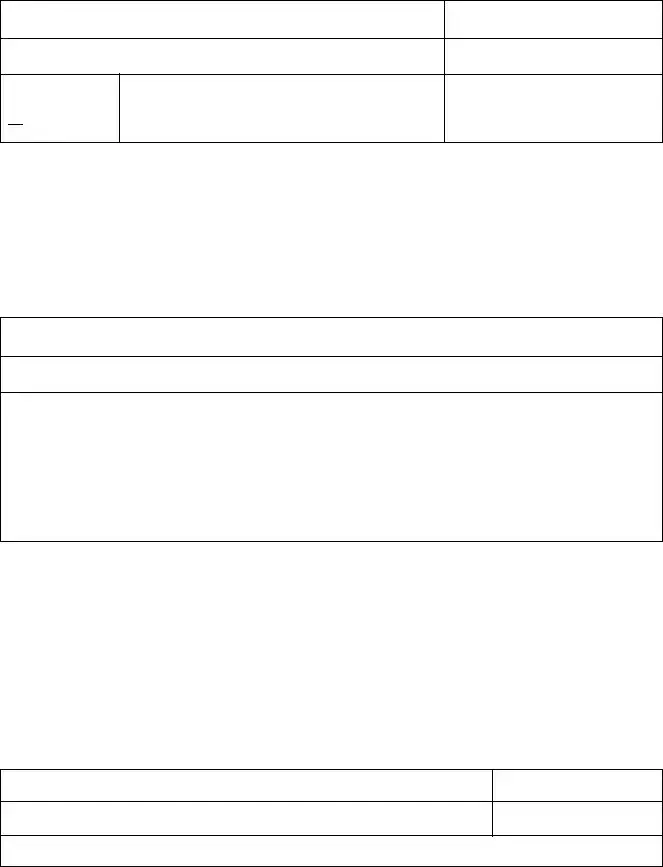
DIRECT DEPOSIT AGREEMENT
LAST Name:
FIRST Name:
Mailing
Address:
Check here if
new address
SSN:
Middle Initial:
Day Phone:
Effective April 1, 2011, Hawaii law requires all retirees and beneficiaries receiving benefits from the Employees' Retirement System of the State of Hawaii ("ERS") to designate a financial institution into which the ERS shall be authorized to deposit their ERS retirement benefits.
SECTION A – Deposit Authorization
By signing in Section D, I/We hereby authorize the Employees’ Retirement System of the State of Hawaii (“ERS”) to automatically and directly deposit my ERS benefits to my/our account at the financial institution named below (“Financial Institution”).
SECTION B
Name of Account Holder(s):
Name of Financial Institution:
Routing Number: |
|
|
|
|
|
|
|
|
|
Account Number: |
|
□ Checking |
□ Savings |
|
|
|
|
|
|
Financial Institution Certification (Optional): |
|
|
|
|
Name of Agent: ________________________________________ |
Phone: ___________________ |
|||
Signature: |
________________________________________ |
Date: _____________________ |
||
SECTION C – Agreements of All Account Holders
By signing in Section D, the Account Holder(s):
•Authorize the ERS to make withdrawals from my/our account in the event that the ERS benefits have been deposited to the account in error, e.g., overpayments.
•Consent to the disclosure by the Financial Institution to the ERS of any information that the ERS requests to effectuate, administer, or enforce the transactions authorized in Sections A, C, and D.
•Agree not to hold the ERS responsible for any delay or loss of funds due to incorrect or incomplete information supplied by me/us or by Financial Institution or due to an error on the part of Financial Institution in depositing funds to the account.
SECTION D – Signatures of All Account Holders
Authorized Signature (Primary): |
Date: |
Authorized Signature:
Date:
Please attach a VOIDED check (Checking Account) or deposit slip (Savings Account) and return this form to the ERS.
| Fact Name | Details |
|---|---|
| Legislative Background | The Hawaii Legislature enacted Act 94/SLH 2010, which became effective on April 1, 2011, mandating direct deposit for all ERS retirees and beneficiaries. |
| Form Requirements | All sections of the Direct Deposit Agreement (Form ERS-210) must be completed for the form to be considered valid. |
| Change Notification | Any changes to account information, such as account number or financial institution, require submission of a new Form ERS-210. |
| Account Holder Agreements | All account holders must agree to the terms outlined in Section C, which includes authorizing the ERS to withdraw funds in case of erroneous deposits. |
| Submission Requirements | A voided check or deposit slip must be attached when submitting the form to the ERS, ensuring proper account verification. |
Completing the Hawaii Direct Deposit form is a straightforward process that ensures your retirement benefits are deposited directly into your chosen financial institution. After filling out the form, it will need to be submitted to the Employees’ Retirement System (ERS) along with a voided check or deposit slip for verification.
The Hawaii Direct Deposit form, known as ERS-210, is designed for retirees and beneficiaries of the Employees’ Retirement System of the State of Hawaii. Its primary purpose is to authorize the ERS to deposit retirement benefits directly into a designated financial institution. This process ensures timely and secure access to funds without the need for physical checks.
To ensure the form is valid, all sections must be completed. Key information includes:
Additionally, a voided check or deposit slip must be attached to verify account details.
If there are any changes to your account, such as a new account number or a change in the financial institution, a new ERS-210 form must be submitted. It is important to complete the new form accurately to avoid any disruptions in your benefit deposits. Always ensure that the most recently dated form is the one that will be processed.
If you have questions or need assistance regarding the Direct Deposit Agreement, you can contact the ERS through the following methods:
You may also send mail to the following address:
Employees’ Retirement System
201 Merchant Street, Suite 1400
Honolulu, HI 96813-2980
Filling out the Hawaii Direct Deposit form can be straightforward, but mistakes can lead to delays or complications. One common error is failing to include all necessary signatures. All account holders must sign the form, including the retiree or beneficiary. If anyone's signature is missing, the form will not be processed.
Another mistake often made is providing incorrect account information. This includes the routing number and account number. Double-checking these details is crucial, as even a single digit can lead to funds being deposited into the wrong account. It is advisable to verify the information with the financial institution before submission.
Some individuals overlook the requirement to attach a voided check or deposit slip. This documentation is essential for verifying the account details. Without it, the form may be rejected, causing delays in receiving benefits. Ensure that the correct type of document is attached based on whether the account is checking or savings.
Additionally, people sometimes fail to complete all sections of the form. Every part must be filled out for the form to be valid. If there are any alterations, a new form should be completed. Submitting an incomplete or altered form can lead to complications in processing the direct deposit.
Lastly, many forget to keep a copy of the submitted form for their records. Retaining a copy can be helpful for future reference, especially if there are any issues or questions regarding the direct deposit. Keeping track of documentation is an important part of managing financial affairs.
The Hawaii Direct Deposit form is essential for retirees and beneficiaries of the Employees’ Retirement System (ERS) to receive their benefits directly into their bank accounts. Along with this form, several other documents may be necessary to ensure a smooth and efficient process. Below is a list of these documents, along with brief descriptions of each.
These documents work together with the Hawaii Direct Deposit form to ensure that retirees and beneficiaries can access their retirement benefits smoothly and efficiently. Proper preparation and submission of these forms can help avoid delays in receiving funds.
The Hawaii Direct Deposit form (ERS-210) shares similarities with several other financial documents that facilitate the management and transfer of funds. Here’s a look at seven such documents and how they are comparable:
When filling out the Hawaii Direct Deposit form, it is important to follow certain guidelines to ensure that your application is processed smoothly. Here are six things you should and shouldn't do:
Understanding the Hawaii Direct Deposit form is essential for retirees and beneficiaries. However, several misconceptions can lead to confusion. Here’s a list of common misunderstandings:
Being aware of these misconceptions can help ensure a smoother process when setting up direct deposits with the Hawaii ERS.
When filling out the Hawaii Direct Deposit form (Form ERS-210), it is essential to keep several key points in mind to ensure a smooth process.
By adhering to these guidelines, retirees and beneficiaries can facilitate the direct deposit of their retirement benefits without complications.