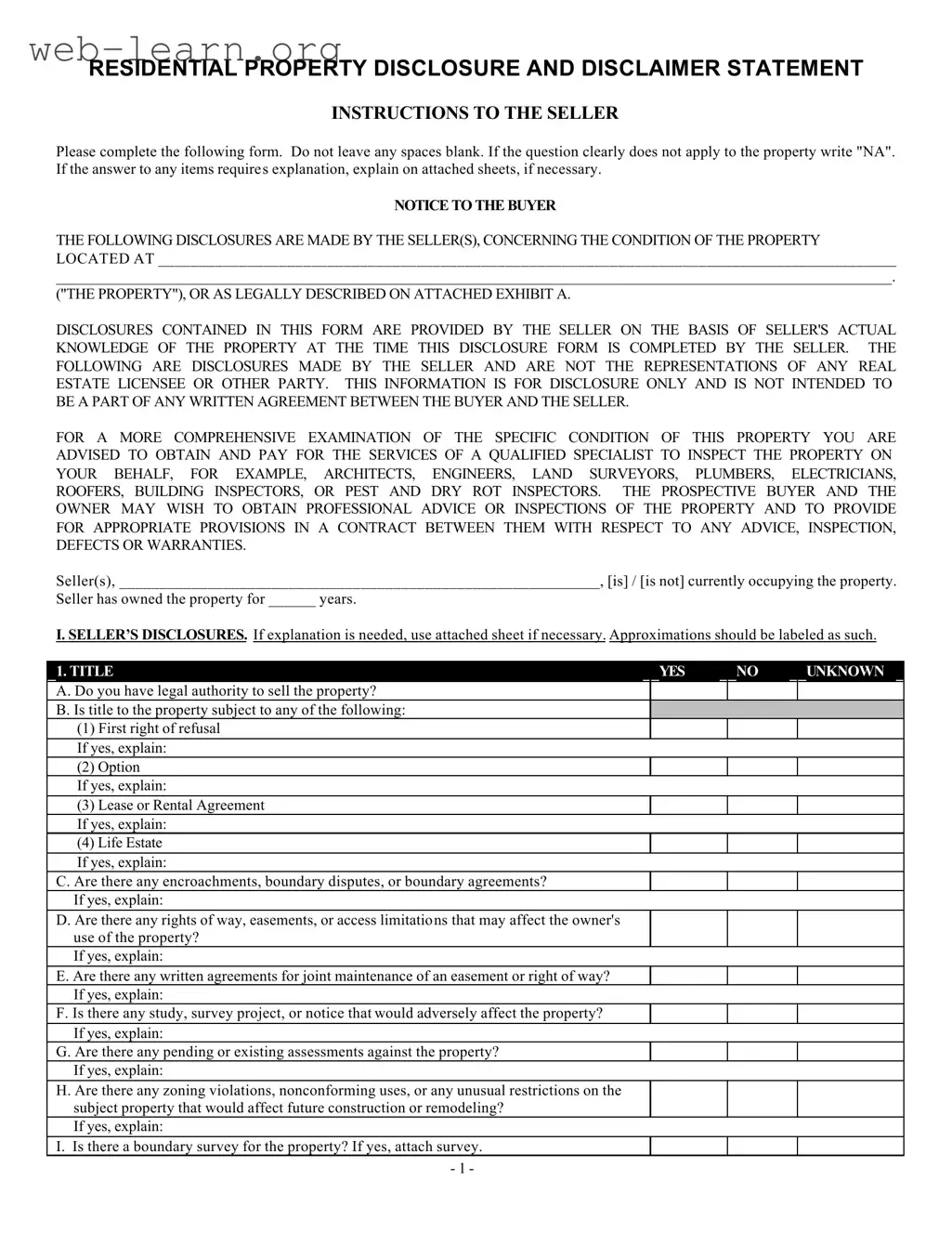
The Georgia Residential Real Estate form is an essential document for anyone involved in the buying or selling of residential property in Georgia. This form serves as a disclosure tool, allowing sellers to provide potential buyers with important information about the property's condition. It covers a wide range of topics, including title issues, water and sewer systems, structural integrity, and existing appliances. Sellers must answer various questions, indicating whether they have legal authority to sell the property and if there are any encroachments or boundary disputes. The form also prompts sellers to disclose details about the water source, sewer system, and any known defects in the property's structure or systems. Importantly, it emphasizes that the information provided is based on the seller's actual knowledge and is not a substitute for a professional inspection. Buyers are encouraged to seek further evaluations from qualified specialists to ensure they fully understand the property’s condition before making a purchase. This comprehensive approach helps protect both parties and fosters transparency in real estate transactions.
RESIDENTIAL PROPERTY DISCLOSURE AND DISCLAIMER STATEMENT
INSTRUCTIONS TO THE SELLER
Please complete the following form. Do not leave any spaces blank. If the question clearly does not apply to the property write "NA". If the answer to any items requires explanation, explain on attached sheets, if necessary.
NOTICE TO THE BUYER
THE FOLLOWING DISCLOSURES ARE MADE BY THE SELLER(S), CONCERNING THE CONDITION OF THE PROPERTY LOCATED AT ______________________________________________________________________________________________
___________________________________________________________________________________________________________.
("THE PROPERTY"), OR AS LEGALLY DESCRIBED ON ATTACHED EXHIBIT A.
DISCLOSURES CONTAINED IN THIS FORM ARE PROVIDED BY THE SELLER ON THE BASIS OF SELLER'S ACTUAL KNOWLEDGE OF THE PROPERTY AT THE TIME THIS DISCLOSURE FORM IS COMPLETED BY THE SELLER. THE FOLLOWING ARE DISCLOSURES MADE BY THE SELLER AND ARE NOT THE REPRESENTATIONS OF ANY REAL ESTATE LICENSEE OR OTHER PARTY. THIS INFORMATION IS FOR DISCLOSURE ONLY AND IS NOT INTENDED TO BE A PART OF ANY WRITTEN AGREEMENT BETWEEN THE BUYER AND THE SELLER.
FOR A MORE COMPREHENSIVE EXAMINATION OF THE SPECIFIC CONDITION OF THIS PROPERTY YOU ARE ADVISED TO OBTAIN AND PAY FOR THE SERVICES OF A QUALIFIED SPECIALIST TO INSPECT THE PROPERTY ON YOUR BEHALF, FOR EXAMPLE, ARCHITECTS, ENGINEERS, LAND SURVEYORS, PLUMBERS, ELECTRICIANS, ROOFERS, BUILDING INSPECTORS, OR PEST AND DRY ROT INSPECTORS. THE PROSPECTIVE BUYER AND THE OWNER MAY WISH TO OBTAIN PROFESSIONAL ADVICE OR INSPECTIONS OF THE PROPERTY AND TO PROVIDE FOR APPROPRIATE PROVISIONS IN A CONTRACT BETWEEN THEM WITH RESPECT TO ANY ADVICE, INSPECTION, DEFECTS OR WARRANTIES.
Seller(s), ____________________________________________________________, [is] / [is not] currently occupying the property.
Seller has owned the property for ______ years.
I. SELLER’S DISCLOSURES. If explanation is needed, use attached sheet if necessary. Approximations should be labeled as such.
1. TITLE |
YES |
NO |
UNKNOWN |
A. Do you have legal authority to sell the property?
B. Is title to the property subject to any of the following:
(1) First right of refusal
If yes, explain:
(2) Option
If yes, explain:
(3) Lease or Rental Agreement
If yes, explain:
(4) Life Estate
If yes, explain:
C. Are there any encroachments, boundary disputes, or boundary agreements?
If yes, explain:
D. Are there any rights of way, easements, or access limitations that may affect the owner's use of the property?
If yes, explain:
E. Are there any written agreements for joint maintenance of an easement or right of way?
If yes, explain:
F. Is there any study, survey project, or notice that would adversely affect the property?
If yes, explain:
G. Are there any pending or existing assessments against the property?
If yes, explain:
H. Are there any zoning violations, nonconforming uses, or any unusual restrictions on the subject property that would affect future construction or remodeling?
If yes, explain:
I. Is there a boundary survey for the property? If yes, attach survey.
- 1 -
1. TITLE |
|
|
|
|
YES |
|
|
NO |
UNKNOWN |
||
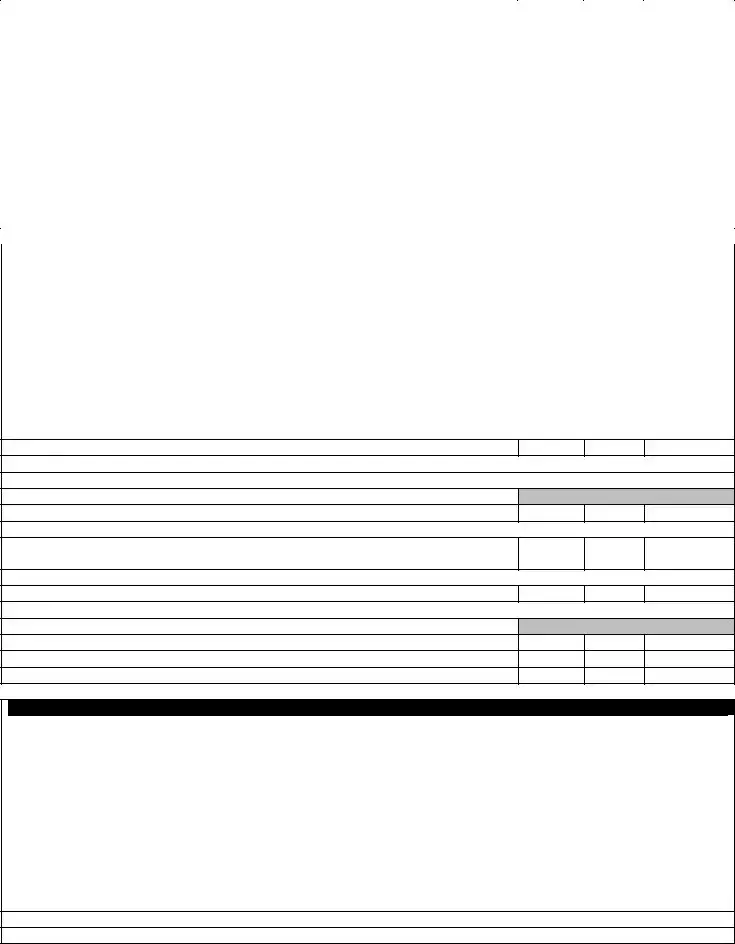
J. Are the property’s boundaries marked? |
|
|
|
|
|
|
|
|
|
|
|
If yes, explain: |
|
|
|
|
|
|
|
|
|
|
|
K. Are there fences on the property? |
|
|
|
|
|
|
|
|
|
|
|
If yes, were the fences put up by the property owner? |
|
|
|
|
|
|
|
|
|
|
|
L. Are any trees or other flora on the property diseased, dead or damaged? |
|
|
|
|
|
|
|
|
|
|
|
If yes, explain: |
|
|
|
|
|
|
|
|
|
|
|
M. Are there any covenants, conditions, or restrictions which affect the property? |
|
|
|
|
|
|
|
|
|
||
If yes, explain: |
|
|
|
|
|
|
|
|
|
|
|
N. Is the property accessed by public or private road? |
|
|
|
PUBLIC |
|
PRIVATE |
|
UNKNOWN |
|||
If private, what yearly upkeep amount is paid by the property owner? |
|
|
|
|
|
|
|
|
|
|
|
If private, explain road upkeep in detail: |
|
|
|
|
|
|
|
|
|
|
|
|
|
|
|
|
|
|
|
|
|
|
|
2. WATER |
|
|
|
|
|
|
|
|
|
|
|
A. Household Water |
|
|
|
|
|
|
|
|
|
|
|
(1) The source of the water is: |
Public |
|
Community |
|
Private |
|
Shared |
||||
(2) Water source information: |
|
|
|
|
YES |
|
|
NO |
UNKNOWN |
||
a. Are there any written agreements for shared water source? |
|
|
|
|
|
|
|
|
|
|
|
If yes, explain: |
|
|
|
|
|
|
|
|
|
|
|
b. Is there an easement (recorded or unrecorded) for access to and/or maintenance of |
|
|
|
|
|
|
|
|
|
||
the water source? |
|
|
|
|
|
|
|
|
|
|
|
If yes, explain: |
|
|
|
|
|
|
|
|
|
|
|
c. Are any known problems or repairs needed? |
|
|
|
|
|
|
|
|
|
|
|
If yes, explain: |
|
|
|
|
|
|
|
|
|
|
|
d. Does the source provide an adequate year round supply of potable water? |
|
|
|
|
|
|
|
|
|
||
e. Are there any water treatment systems (softener, purifier, etc.) for the property?
If yes, explain, and state if the system(s) is/are leased or owned:
B. Irrigation
(1) Are there any water rights for the property?
If yes, explain:
(2)If they exist, to your knowledge, have the water rights been used during the last five- year period?
If yes, explain:
(3) If so, is the certificate available?
Explain:
C. Outdoor Sprinkler System
(1) Is there an outdoor sprinkler system for the property?
(2) Are there any defects in the outdoor sprinkler system?
If yes, explain:
3. SEWER/SEPTIC SYSTEM
A. The property is served by (circle one): |
Public Sewer Main |
Septic Tank System |
|
Other Disposal System |
||
If other, describe: |
|
|
|
|
|
|
B. If the property is served by a public or community sewer main, is the house connected to the main? |
Yes |
No |
Unknown |
|||
If no, explain: |
|
|
|
|
|
|
C. Is the property currently subject to a sewer capacity charge? |
|
|
Yes |
No |
Unknown |
|
If yes, explain: |
|
|
|
|
|
|
D. If the property is connected to a septic system: |
|
|
|
|
|
|
(1) Was a permit issued for its construction, and was it approved by the city or county following its |
Yes |
No |
Unknown |
|||
construction? |
|
|
|
|
|
|
(2) On what date was it last pumped: |
|
|
|
|
|
|
(3) Are there any defects in the operation of the septic system? |
|
Yes |
No |
Unknown |
||
If yes, explain: |
|
|
|
|
|
|
(4) On what date was it last inspected:
By whom:
- 2 -
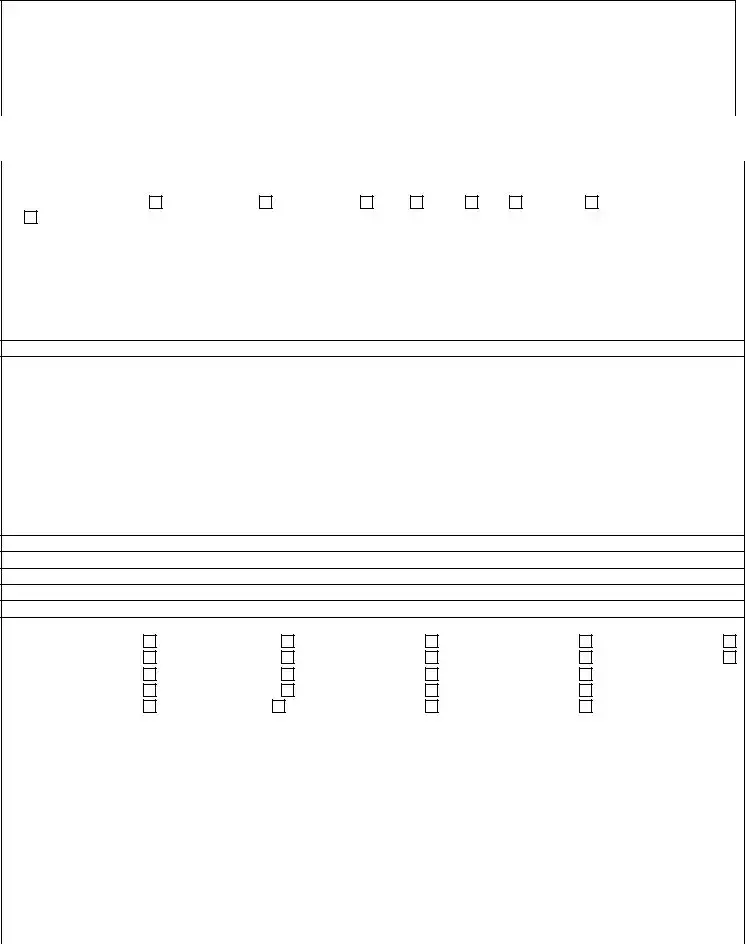
(5) How many bedrooms was the system approved for?
|
E. Do all plumbing fixtures, including laundry drain, go to the septic/sewer system? |
|
Yes |
No |
|
Unknown |
|
||
|
If no, explain: |
|
|
|
|
|
|
|
|
|
F. Are you aware of any changes or repairs to the septic system? |
|
Yes |
No |
|
Unknown |
|
||
|
If yes, explain: |
|
|
|
|
|
|
|
|
|
G. Is the septic system, including drainage field, located entirely within the property’s boundaries? |
|
Yes |
No |
|
Unknown |
|
||
|
If no, explain: |
|
|
|
|
|
|
|
|
|
|
|
|
|
|
|
|
|
|
|
4. STRUCTURAL |
|
|
|
|
|
|
|
|
|
|
|
|
|
|
|
|
|
|
|
A. How old is the current roof? ____ years. (If unknown, mark Unknown.) |
|
|
|
|
|
Unknown |
|
|
|
Roof is constructed of: Asphalt Shingle, Wood Shingle, Slate, Metal, Tile, Asbestos, |
|
Unknown, |
|
|
||||
|
Other: |
|
|
|
|
|
|
|
|
|
B. Has the roof leaked during your ownership? |
|
Yes |
No |
Unknown |
|
|||
|
If yes, has it been repaired? |
|
Yes |
No |
|
|
|||
|
Explain any roof repairs of which you are aware: |
|
|
|
|
|
|
|
|
|
C. Has the house undergone any conversions, additions, or remodeling? |
|
Yes |
No |
Unknown |
|
|||
|
1. If yes, were all building permits obtained? |
|
Yes |
No |
Unknown |
|
|||
|
2. If yes, were all final inspections obtained? |
|
Yes |
No |
Unknown |
|
|||
Explain any conversions/additions/remodeling:
D. Do you know the age of the house? |
Yes |
No |
|
If yes, give year of original construction (if approximation, indicate such): |
|
|
|
E. Are you aware of: |
Yes |
No |
|
(1) |
Any movement, shifting, deterioration or other problems with walls, foundation, crawl space or slab? |
Yes |
No |
(2) |
Any cracks or flaws in the walls, ceilings, foundations, concrete slab, crawl space, basement, floors or garage? |
Yes |
No |
(3) |
Any water leakage or dampness in the crawl space or basement? |
Yes |
No |
(4) |
Any dry rot on the property? |
Yes |
No |
(5) |
Any repairs or other attempts to control the cause or effect of any problem described above? |
Yes |
No |
Explain any ‘Yes’ answer(s) to
F. If you know of any defect(s) regarding the following items, mark the defective item with a check:
1. Foundation |
6. Fire Alarm |
11. Slab Floors |
|
16. Sidewalks |
21. Balconies |
||
2. Deck |
7. Doors |
12. Driveways |
|
17. Outbuildings |
22. Wood Stoves |
||
3. Exterior walls |
8. Door locks |
13. Attic Stairs |
|
18. Fireplaces |
|
|
|
4. Chimneys |
9. Patio |
14. Windows |
|
19. Garage Floors |
|
|
|
5. Interior walls |
10. Ceilings |
15. Window locks |
|
20. Walkways |
|
|
|
If you checked any of the above items, explain the defect(s): |
|
|
|
|
|||
|
|
|
|
|
|||
|
|
|
|
|
|||
|
|
|
|
|
|||
|
|
|
|
|
|||
G. In the last 4 years, was a pest, dry rot, structural or "whole house" inspection done? |
|
Yes |
No |
Unknown |
|||
|
|
|
|
||||
If yes, which test(s), when, and by whom was the inspection done? (Attach documentation) |
|
|
|||||
|
|
|
|
|
|||
|
|
|
|
|
|||
H. Has the property had a problem with pest control, infestations, or vermin? |
|
Yes |
No |
Unknown |
|||
|
|
|
|
|
|
|
|
If yes, explain: |
|
|
|
|
|
|
|
|
|
|
|
|
|
|
|
I. Are you aware of: |
|
|
|
|
|
|
|
|
|
|
|
|
|||
(1) Any termites, wood destroying insects or pests on or affecting the property? |
|
Yes |
No |
|
|||
|
|
|
|
|
|||
(2) Property damage by termites, wood destroying insects or pests? |
|
Yes |
No |
|
|||
|
|
|
|
|
|
|
|
- 3 -
| Fact Name | Description | Governing Law |
|---|---|---|
| Disclosure Requirement | The Georgia Residential Real Estate form mandates sellers to disclose known issues about the property's condition, ensuring transparency for prospective buyers. | O.C.G.A. § 44-1-16 |
| Seller's Knowledge | Disclosures are based on the seller's actual knowledge at the time of completion, not representing any real estate licensee's opinions. | O.C.G.A. § 44-1-16 |
| Professional Inspection Recommendation | The form advises buyers to obtain professional inspections for a comprehensive evaluation of the property's condition. | O.C.G.A. § 44-1-16 |
| Occupancy Disclosure | Sellers must indicate whether they are currently occupying the property, which can affect the property's condition and maintenance. | O.C.G.A. § 44-1-16 |
Completing the Georgia Residential Real Estate form is an important step in the process of selling a property. This form requires detailed information about the property’s condition, legal status, and any potential issues that may affect its value or usability. It is essential to answer all questions thoroughly and accurately to ensure transparency with prospective buyers.
The Georgia Residential Real Estate form is designed to provide potential buyers with important information regarding the condition of a residential property. It requires sellers to disclose any known issues or concerns about the property, allowing buyers to make informed decisions.
The seller of the property is responsible for completing the form. It is important that the seller provides accurate and truthful information based on their actual knowledge of the property.
If a question does not apply to the property, the seller should write "NA" in the space provided. This indicates that the question is not relevant to the specific circumstances of the property.
The disclosures made in this form are not legally binding representations by any real estate licensee or other party. They are intended solely for informational purposes and should not be considered part of any written agreement between the buyer and seller.
Buyers are advised to obtain professional inspections from qualified specialists, such as architects, engineers, or building inspectors. These inspections can provide a more comprehensive understanding of the property's condition beyond what is disclosed in the form.
If the seller is unaware of specific issues, they should indicate this by marking "unknown" in the appropriate sections of the form. This helps to clarify the seller's knowledge regarding the property's condition.
Yes, if any answers require further clarification, the seller can provide explanations on attached sheets. This allows for a more detailed understanding of any potential issues with the property.
If a buyer has concerns after reviewing the disclosures, they should consider seeking professional advice or additional inspections. It is also advisable to include appropriate provisions in the purchase contract to address any identified defects or warranties.
The seller must disclose a variety of issues, including but not limited to title problems, water source information, sewer or septic system details, structural issues, and any known defects in systems or fixtures. This comprehensive approach ensures transparency in the sale process.
The disclosures must be completed in a specific format outlined in the form. Sellers should not leave any spaces blank and must provide accurate responses to each question, ensuring that all relevant information is conveyed to potential buyers.
Filling out the Georgia Residential Real Estate form can be a straightforward process, but several common mistakes can complicate matters. One frequent error is leaving spaces blank. Each question must be answered, and if a question does not apply, it is essential to write "NA" instead of leaving it empty. This oversight can lead to misunderstandings or assumptions by potential buyers.
Another mistake involves failing to provide adequate explanations where necessary. The form includes numerous items that may require additional context. If a seller answers "yes" to any question that prompts an explanation, they should attach a separate sheet detailing the circumstances. Omitting this information can result in confusion and may affect the buyer's perception of the property.
Many sellers also underestimate the importance of accurately disclosing the property's condition. For instance, if there are known issues with the roof, plumbing, or electrical systems, these must be disclosed. A common mistake is providing vague answers or not disclosing past repairs. Transparency is crucial; buyers appreciate detailed information that helps them make informed decisions.
Another area of concern is the failure to indicate ownership of appliances and systems included in the sale. Sellers should clearly mark which items are included and their condition. Miscommunication about what is part of the sale can lead to disputes post-transaction. Buyers expect clarity on these points, and any ambiguity can result in dissatisfaction.
Additionally, sellers sometimes overlook the importance of disclosing issues related to shared resources, such as water sources or maintenance agreements. If the property has shared water rights or is part of a homeowners' association, these details must be clearly articulated. Neglecting to mention such agreements can create legal complications later on.
Another common mistake is not providing accurate information about the property's age and any renovations or repairs. Sellers should be precise about the age of the roof, systems, and any structural changes made to the property. Failing to provide this information can lead to issues with inspections and financing, as buyers often rely on this data to assess the property's value.
Finally, sellers may forget to update their knowledge of any recent changes to the property. If there have been any assessments, zoning changes, or new regulations affecting the property, these should be disclosed. Keeping potential buyers informed about the current state of the property is essential for a smooth transaction.
When buying or selling residential real estate in Georgia, several forms and documents accompany the Georgia Residential Real Estate form. These documents help clarify the transaction and protect the interests of both buyers and sellers. Below is a list of commonly used documents in this process.
These documents are crucial in ensuring a smooth real estate transaction in Georgia. Buyers and sellers should familiarize themselves with these forms to better understand their rights and responsibilities during the process.
The Georgia Residential Real Estate form serves a crucial role in real estate transactions, particularly in ensuring transparency between sellers and buyers. It is similar to several other documents used across the United States, each designed to provide vital information regarding property conditions and legal obligations. Below is a list of nine documents that share similarities with the Georgia Residential Real Estate form, along with an explanation of how they relate:
Understanding these documents can empower buyers and sellers alike, fostering informed decision-making in real estate transactions. Each document plays a unique role in ensuring transparency and protecting the interests of all parties involved.
When filling out the Georgia Residential Real Estate form, attention to detail is crucial. Here are ten things to consider:
Misconceptions about the Georgia Residential Real Estate form can lead to misunderstandings for both buyers and sellers. Here are six common misconceptions explained:
Completeness is Crucial: When filling out the Georgia Residential Real Estate form, ensure that no spaces are left blank. If a question does not apply, write "NA" to indicate that.
Seller's Knowledge: The disclosures provided in the form are based solely on the seller's actual knowledge at the time of completion. This means the seller should be honest and thorough in their responses.
Professional Inspections Recommended: The form advises buyers to consider hiring qualified specialists, such as inspectors or engineers, to conduct a thorough evaluation of the property. This step can uncover issues not disclosed in the form.
Clear Communication: If any answers require further explanation, sellers should attach additional sheets to clarify their responses. Clear communication helps prevent misunderstandings later.
Legal Authority: Sellers must confirm they have the legal authority to sell the property. This includes checking for any liens or encumbrances that may affect the sale.
Disclosure of Defects: The form requires sellers to disclose any known defects or issues with the property, including structural problems, pest infestations, and the condition of systems like plumbing and electrical.
Understanding Zoning and Assessments: Sellers should be aware of any zoning violations or assessments against the property. This information can significantly impact the buyer's future use of the property.
Water and Sewer Systems: Detailed information about the property's water source and sewer system is essential. Sellers must disclose if there are any issues or if the systems are functioning properly.
Homeowners Association Information: If applicable, sellers should provide details about any homeowners' association, including fees and any pending assessments. This information is crucial for buyers considering properties in such communities.