Homepage Blank Florida Rts 6 Form
Outline

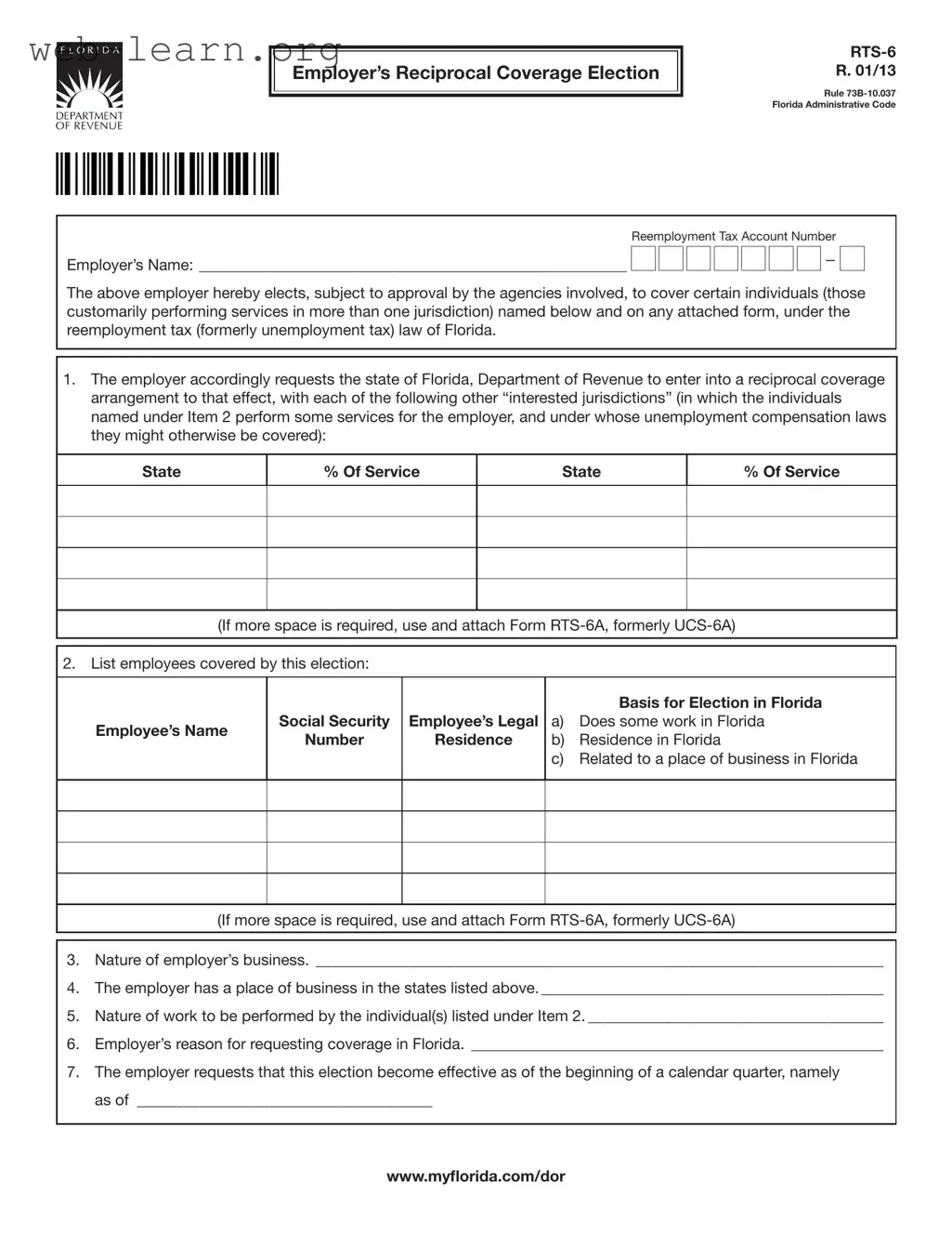
The Florida RTS 6 form, officially known as the Employer’s Reciprocal Coverage Election, plays a crucial role for employers operating in multiple jurisdictions. This form allows employers to elect coverage under Florida's reemployment tax law for certain employees who provide services in more than one state. By submitting this form, an employer requests the Florida Department of Revenue to establish a reciprocal coverage arrangement with other states where these employees work. The form requires detailed information, including the names of employees to be covered, their Social Security numbers, and the nature of the employer's business. Additionally, employers must specify the reasons for requesting coverage and indicate the effective date of the election. Once approved, this election remains in effect until terminated according to the regulations set forth by the Florida Department of Revenue. Employers are also required to notify their employees of the coverage election and comply with all applicable requirements. Understanding the intricacies of this form can help employers navigate the complexities of multi-state employment and ensure compliance with relevant tax laws.
Sample - Florida Rts 6 Form

Employer’s Reciprocal Coverage Election
RTS-6
R. 01/13
Rule 73B-10.037
Florida Administrative Code
Reemployment Tax Account Number
Employer’s Name: _______________________________________________________
The above employer hereby elects, subject to approval by the agencies involved, to cover certain individuals (those
customarily performing services in more than one jurisdiction) named below and on any attached form, under the
reemployment tax (formerly unemployment tax) law of Florida.
1. The employer accordingly requests the state of Florida, Department of Revenue to enter into a reciprocal coverage
arrangement to that effect, with each of the following other “interested jurisdictions” (in which the individuals
named under Item 2 perform some services for the employer, and under whose unemployment compensation laws
they might otherwise be covered):
State % Of Service State % Of Service
(If more space is required, use and attach Form RTS-6A, formerly UCS-6A)
2. List employees covered by this election:
Employee’s Name
Social Security
Number
Employee’s Legal
Residence
Basis for Election in Florida
a) Does some work in Florida
b) Residence in Florida
c) Related to a place of business in Florida
(If more space is required, use and attach Form RTS-6A, formerly UCS-6A)
3. Nature of employer’s business. _________________________________________________________________________
4. The employer has a place of business in the states listed above. ____________________________________________
5. Nature of work to be performed by the individual(s) listed under Item 2. ______________________________________
6. Employer’s reason for requesting coverage in Florida. _____________________________________________________
7. The employer requests that this election become effective as of the beginning of a calendar quarter, namely
as of ______________________________________
www.mylorida.com/dor
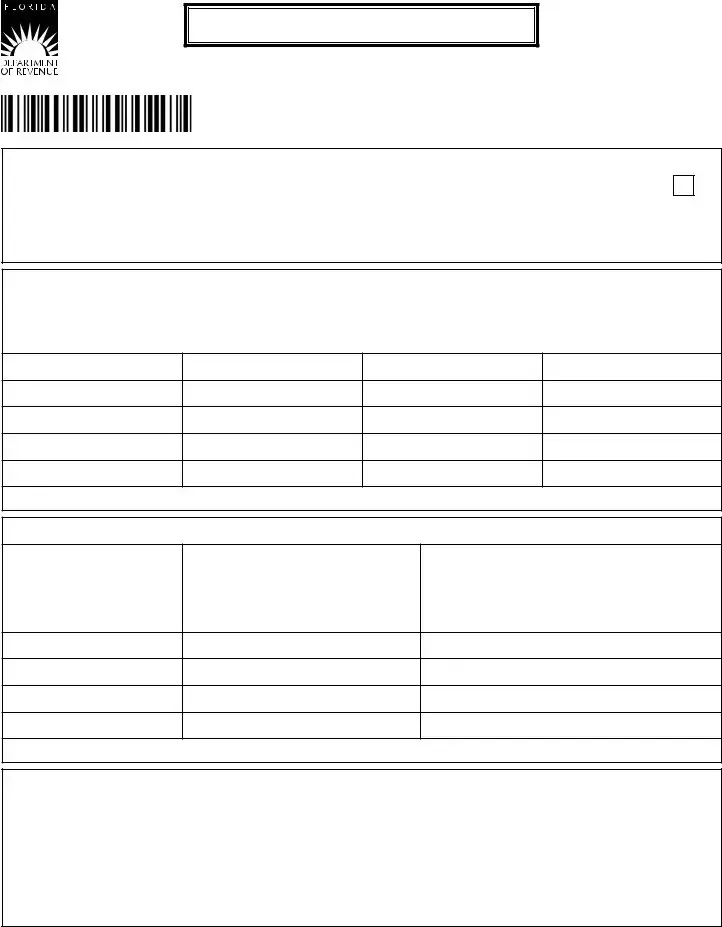
ELECTION (continued)
8. This election, if approved, shall remain operative, as to the individuals listed herewith, until terminated in accordance
with the currently applicable regulations of the Florida Department of Revenue.
9. The employer hereby agrees to give each individual covered by this election a notice thereof, promptly after its

agency.
10. The employer hereby agrees to comply with any requirements applicable to this election under the Florida
Department of Revenue.
11. To prevent this election from denying reemployment assistance/unemployment compensation coverage to workers
not listed hereon, the employer hereby agrees with each interested jurisdiction approving this election that it may
count the workers covered by this election, and their wages, as if this election did not apply, for the purpose
of determining whether the employer is covered by the law of such jurisdiction and whether any other workers
employed by him are covered by said law.
SIGNED, for the employer by: ______________________________________________________________________________
Date: ____________________________________________ Title: _________________________________________________
APPROVAL by the state of Florida, Department of Revenue
The foregoing election is hereby approved, in accordance with the applicable regulations, as submitted by the elect-
ing employer.
APPROVED for the state of Florida, Department of Revenue.
By: __________________________________________________
Date: ____________________________________________ Title: _________________________________________________
APPROVED by the interested jurisdiction of _________________________________________________________________
The foregoing is similarly approved.
Name of Agency: ______________________________________
By: __________________________________________________
Date: ____________________________________________ Title: _________________________________________________
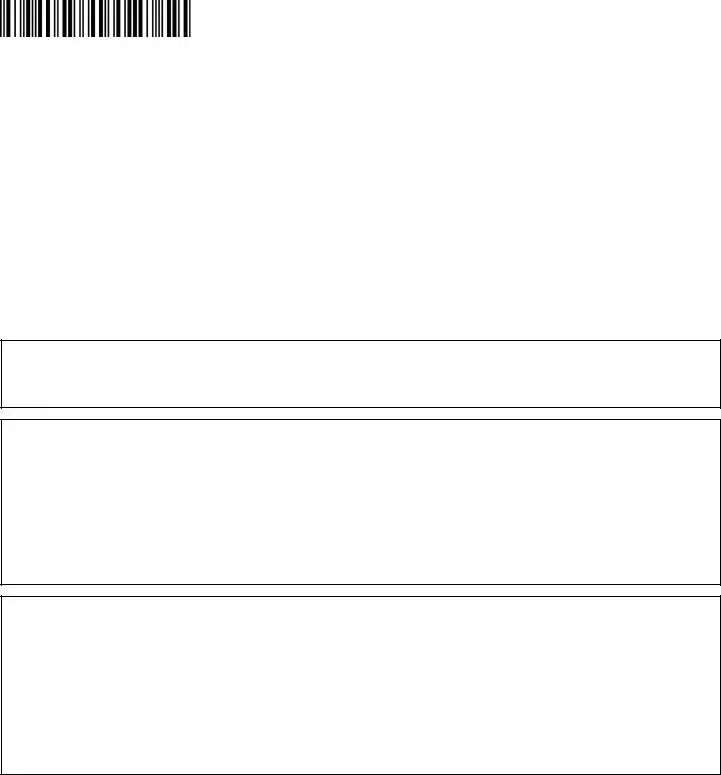
NOTE: The employer should submit two (2) signed copies for each jurisdiction listed under item 1, plus two (2) additional
copies. All copies should be sent to the state of Florida, Department of Revenue, P.O. Box 6510, Tallahassee, FL
32314-6510. Two copies will be sent to each “interested jurisdiction” for approval or disapproval. The employer will be



and 119.071, Florida Statutes, and not subject to disclosure as public records. Collection of your SSN is authorized
under state and federal law. Visit our Internet site at www.mylorida.com/dor and select “Privacy Notice” for more
information regarding the state and federal law governing the collection, use, or release of SSNs, including authorized
exceptions.
RTS-6
R. 01/13
Page 2
www.mylorida.com/dor

Form Information

Fact Name Details
Form Purpose The RTS-6 form is used by employers in Florida to elect reciprocal coverage for employees performing services in multiple jurisdictions.
Governing Law This form is governed by Rule 73B-10.037 of the Florida Administrative Code.
Eligibility Criteria Employers can cover individuals who customarily perform services in more than one jurisdiction.
Approval Requirement Approval from the Florida Department of Revenue and interested jurisdictions is necessary for the election to take effect.
Effective Date The election becomes effective at the beginning of a calendar quarter as specified by the employer.
Notification Obligation Employers must notify each individual covered by the election promptly after approval.
Confidentiality of SSNs Social Security Numbers collected for tax administration are confidential and protected under sections 213.053 and 119.071 of Florida Statutes.

Detailed Guide for Filling Out Florida Rts 6

Filling out the Florida RTS 6 form is a straightforward process, but it’s essential to follow each step carefully to ensure everything is completed correctly. Once you have filled out the form, you will need to submit it to the Florida Department of Revenue along with any necessary attachments for approval.

  1. Begin by entering your Reemployment Tax Account Number at the top of the form.
  2. Next, write the Employer’s Name in the designated space.
  3. In the first section, list the states where your employees perform services, along with the percentage of service for each state. If more space is needed, attach Form RTS-6A.
  4. In the second section, provide the employees' names, their Social Security Numbers, their legal residence, and the basis for election in Florida (a, b, or c).
  5. Describe the nature of your business in the space provided.
  6. Indicate whether the employer has a place of business in the states listed above.
  7. Explain the nature of work to be performed by the individuals listed under Item 2.
  8. Provide the employer’s reason for requesting coverage in Florida.
  9. State the date you want this election to become effective, at the beginning of a calendar quarter.
  10. Sign the form on behalf of the employer, including the date and your title.

After completing the form, ensure you have two signed copies for each jurisdiction listed, plus two additional copies. Send all copies to the Florida Department of Revenue. They will review your submission and notify you of their final decision.

Obtain Answers on Florida Rts 6

  1. What is the purpose of the Florida RTS-6 form?

    The Florida RTS-6 form allows employers to elect reciprocal coverage for employees who perform services in multiple jurisdictions. This means that the employer can request coverage under Florida's reemployment tax law for employees who may also be subject to the unemployment compensation laws of other states.

  2. Who should fill out the RTS-6 form?

    Employers with employees who work in more than one state should complete the RTS-6 form. This includes businesses that operate across state lines and have employees performing services in Florida and other jurisdictions.

  3. What information is required on the RTS-6 form?

    The form requires various details, including:

    • The employer's name and reemployment tax account number.
    • States where the employees perform services and the percentage of service in each state.
    • Names, Social Security numbers, and legal residences of the employees covered by the election.
    • The nature of the employer's business and the work performed by the employees.
    • The effective date of the election.
  4. How does an employer submit the RTS-6 form?

    Employers must submit two signed copies of the RTS-6 form for each jurisdiction listed. Additionally, two extra copies are required. All copies should be sent to the Florida Department of Revenue at the specified address.

  5. What happens after submitting the RTS-6 form?

    Once submitted, the Florida Department of Revenue will review the election. Employers will be notified of the final decision regarding approval or disapproval. If approved, the election remains effective until terminated according to applicable regulations.

  6. Can an employer terminate the election made on the RTS-6 form?

    Yes, the election can be terminated in accordance with the regulations set forth by the Florida Department of Revenue. Employers must follow the proper procedures to ensure compliance when terminating the election.

  7. What is the significance of providing Social Security numbers on the RTS-6 form?

    Social Security numbers are used as unique identifiers for tax administration purposes. The Florida Department of Revenue treats these numbers as confidential, and they are protected under state law. Employers must provide accurate SSNs for each employee listed on the form.

  8. How does the RTS-6 form affect unemployment compensation coverage?

    The election made on the RTS-6 form does not deny reemployment assistance or unemployment compensation coverage to workers not listed. Employers agree that these workers and their wages will be counted as if the election did not apply when determining coverage under the laws of other jurisdictions.

  9. What should employers do after receiving approval for the RTS-6 election?

    Upon approval, employers must promptly notify each individual covered by the election. This notice should be provided on a form supplied by the Florida Department of Revenue, and copies of the notice must be filed with the agency.

  10. Where can employers find more information about the RTS-6 form?

    Employers can visit the Florida Department of Revenue's website at www.mylorida.com/dor for additional information, including guidelines on completing the RTS-6 form and understanding the reciprocal coverage election process.

Common mistakes

Filling out the Florida RTS 6 form can be a straightforward process, but many individuals make common mistakes that can lead to delays or complications. One significant error is failing to provide the correct employer’s name. The name must match the official records of the Department of Revenue. Any discrepancies can result in rejection of the application.

Another frequent mistake involves incomplete information regarding the employees covered by the election. Each employee's name, Social Security number, and legal residence must be accurately filled out. Omitting any of this information can delay processing and may require resubmission.

Some employers neglect to specify the nature of their business in the designated section. This information is crucial for the Department of Revenue to understand the context of the coverage election. A vague or missing description can lead to confusion and potential disapproval.

Additionally, many employers fail to indicate the nature of work to be performed by the individuals listed. Providing a clear description helps the authorities assess the appropriateness of the coverage being requested.

Employers often make the mistake of not stating a valid reason for requesting coverage in Florida. The reason should be clear and justifiable, as this information is necessary for approval. Without a valid rationale, the application may be denied.

Another common issue is the selection of an effective date for the election. Employers should ensure that the date chosen aligns with the beginning of a calendar quarter. An incorrect date can affect the timing of coverage and lead to complications.

Some applicants forget to sign the form. The signature of the employer is mandatory for the application to be considered valid. Incomplete signatures can result in immediate rejection of the form.

Employers sometimes submit fewer than the required number of copies. The instructions specify that two signed copies for each jurisdiction must be submitted, along with two additional copies. Not adhering to this requirement can cause delays in processing.

Inadequate attention to the submission process can also lead to mistakes. Employers should ensure that all copies are sent to the correct address, as specified in the form instructions. Misaddressed submissions can lead to lost documents and increased processing time.

Finally, many individuals overlook the importance of keeping copies of all submitted documents. Retaining copies is essential for tracking the application status and for future reference in case any issues arise.

Documents used along the form

The Florida RTS-6 form is essential for employers seeking reciprocal coverage under Florida's reemployment tax law. Along with this form, several other documents are commonly used to ensure compliance and proper handling of employee coverage. Here is a list of those documents with brief descriptions for each.

  • Form RTS-6A: This form is used to provide additional space for listing employees covered by the RTS-6 election. It is necessary when the number of employees exceeds the space available on the RTS-6 form.
  • Employer's Tax Registration Application: This document registers the employer with the Florida Department of Revenue for tax purposes. It is often required before filing the RTS-6 form.
  • Notice of Election: After the RTS-6 is approved, this notice informs employees about their coverage under the election. It must be provided promptly to each individual listed.
  • Quarterly Reemployment Tax Report: Employers must file this report to report wages and taxes owed for the quarter. It helps track compliance with reemployment tax obligations.
  • Employer's Annual Report: This report summarizes the employer's tax liability and employee information for the year. It is crucial for maintaining accurate records.
  • Employee's W-4 Form: This form is completed by employees to determine the amount of federal income tax to withhold from their paychecks. It is important for payroll processing.
  • IRS Form 941: Employers use this form to report income taxes, social security tax, and Medicare tax withheld from employees' paychecks. It is filed quarterly.
  • State Unemployment Insurance (SUI) Tax Report: This report is required by the state to track unemployment insurance contributions. It ensures compliance with state laws.
  • Employee's I-9 Form: This form verifies the identity and employment authorization of individuals hired for employment in the U.S. It is necessary for all new hires.

Using these forms and documents together with the Florida RTS-6 can help ensure that employers meet their obligations under state law. Proper completion and timely submission of these documents are vital for maintaining compliance and protecting employee rights.

Similar forms

The Florida RTS-6 form is designed for employers to elect coverage under Florida's reemployment tax law for certain individuals working in multiple jurisdictions. Similar documents serve comparable purposes in various contexts. Here are seven documents that share similarities with the RTS-6 form:

  • IRS Form 8832: This form allows entities to elect their classification for federal tax purposes. Like the RTS-6, it requires detailed information about the entities involved and their respective jurisdictions.
  • State Unemployment Insurance (UI) Election Forms: Many states have their own forms for employers to elect coverage for employees under state unemployment laws. These documents typically require information about the employer and the employees, similar to the RTS-6.
  • Multi-State Employer Registration Forms: These forms are used by employers who operate in multiple states to register for tax purposes. They often require similar information about the business operations across jurisdictions.
  • Form 941 (Employer's Quarterly Federal Tax Return): This form is used to report income taxes, Social Security tax, and Medicare tax withheld from employee paychecks. It shares the element of reporting employee information and tax obligations.
  • Employer's Application for Coverage under the Unemployment Compensation Law: This application is used in various states to determine eligibility for unemployment coverage. It includes details about the employer and the employees, akin to the RTS-6.
  • State Tax Registration Forms: These forms are required for employers to register for various state taxes, including income and sales taxes. They typically ask for similar information about the business and its employees.
  • Form W-2 (Wage and Tax Statement): While primarily used for reporting wages paid to employees, this form also reflects the employer's compliance with tax laws. It requires accurate employee information, paralleling the RTS-6 in its reporting function.

Dos and Don'ts

When filling out the Florida RTS-6 form, there are several important practices to keep in mind. Below is a list of things you should and shouldn't do:

  • Do ensure accuracy: Double-check all entries for correctness, especially names and Social Security numbers.
  • Do provide complete information: Fill out all required fields to avoid delays in processing.
  • Do attach necessary documents: If additional space is needed, include Form RTS-6A as instructed.
  • Do keep copies: Retain copies of the completed form for your records.
  • Don't leave blank spaces: If a section does not apply, indicate that it is not applicable instead of leaving it blank.
  • Don't forget signatures: Ensure that all required signatures are present before submission.
  • Don't ignore deadlines: Submit the form promptly to avoid any potential issues with coverage.

Misconceptions

  • Misconception 1: The RTS-6 form is only for Florida-based employees.
  • This form is designed for employers who want to cover employees working in multiple states, not just Florida. It allows for reciprocal coverage arrangements with other jurisdictions where the employees perform services.

  • Misconception 2: Once submitted, the RTS-6 form guarantees automatic approval.
  • Approval is not guaranteed. The form must be reviewed and approved by the Florida Department of Revenue and any other interested jurisdictions. Employers need to meet specific criteria for their election to be accepted.

  • Misconception 3: Employers do not need to inform employees about the coverage election.
  • Employers are required to notify each individual covered by the election promptly after it is approved. This ensures that employees are aware of their coverage status and any implications it may have.

  • Misconception 4: The RTS-6 form is a one-time submission and does not require ongoing compliance.
  • Employers must comply with all applicable regulations and requirements related to the RTS-6 election. This includes maintaining accurate records and submitting necessary documents for any changes or updates.

Key takeaways

Filling out the Florida RTS 6 form requires careful attention to detail. Here are some key takeaways to keep in mind:

  • Understand the Purpose: The RTS 6 form is used by employers to elect reciprocal coverage for employees who work in multiple jurisdictions.
  • Identify Interested Jurisdictions: Employers must list all states where employees perform services. This ensures compliance with each state's unemployment laws.
  • Employee Information: Clearly provide each employee's name, Social Security number, and the basis for their election in Florida.
  • Nature of Business: Describe the nature of the employer's business accurately. This information is crucial for approval.
  • Effective Date: Specify when the election should take effect. This is typically the start of a calendar quarter.
  • Notification Requirement: Employers must notify each individual covered by this election promptly after approval.
  • Compliance Agreement: The employer agrees to comply with all applicable regulations set forth by the Florida Department of Revenue.
  • Wage Counting Agreement: Employers must allow interested jurisdictions to count covered workers and their wages for determining coverage.
  • Submission Process: Submit two signed copies of the RTS 6 form for each jurisdiction listed, plus two additional copies for the Florida Department of Revenue.
  • Confidentiality of SSNs: Social Security numbers are confidential and used solely for tax administration. Understand the privacy laws governing their use.

By keeping these points in mind, employers can navigate the RTS 6 form process more effectively, ensuring compliance and proper coverage for their employees.