Homepage Blank Exit Interview Form
Outline

The Exit Interview form serves as a vital tool for organizations aiming to gain insights from departing employees. This form typically includes a range of questions designed to assess the employee's experiences within the company, covering aspects such as job satisfaction, workplace culture, and management effectiveness. By encouraging honest feedback, the form helps identify areas for improvement that can enhance employee retention and overall workplace morale. Furthermore, it often addresses the reasons for leaving, whether they relate to career advancement, job dissatisfaction, or personal circumstances. Collecting this information not only aids in understanding employee turnover but also assists in shaping future recruitment and retention strategies. Ultimately, the Exit Interview form plays a crucial role in fostering a culture of open communication and continuous improvement within an organization.


Sample - Exit Interview Form

Page 1 of 3
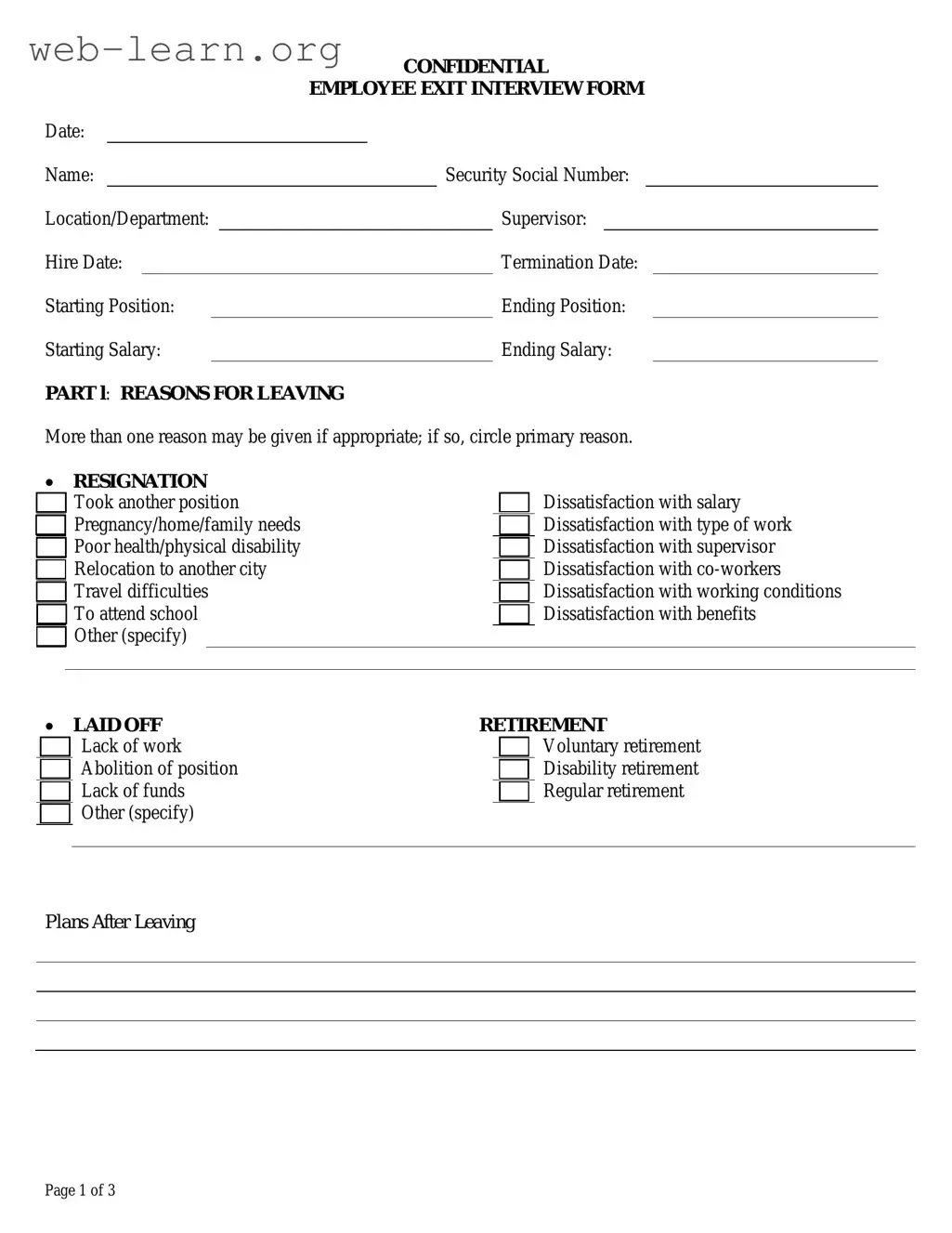
CONFIDENTIAL
EMPLOYEE EXIT INTERVIEW FORM
Date:
Name:
Security Social Number:
Location/Department:
Supervisor:
Hire Date:
Termination Date:
Starting Position:
Ending Position:
Starting Salary:
Ending Salary:
PART l: REASONS FOR LEAVING
More than one reason may be given if appropriate; if so, circle primary reason.
RESIGNATION
Took another position
Pregnancy/home/family needs
Poor health/physical disability
Relocation to another city
Travel difficulties
To attend school
Other (specify)
LAID OFF RETIREMENT
Lack of work
Abolition of position
Lack of funds
Other (specify)
Plans After Leaving
Page 2 of 3
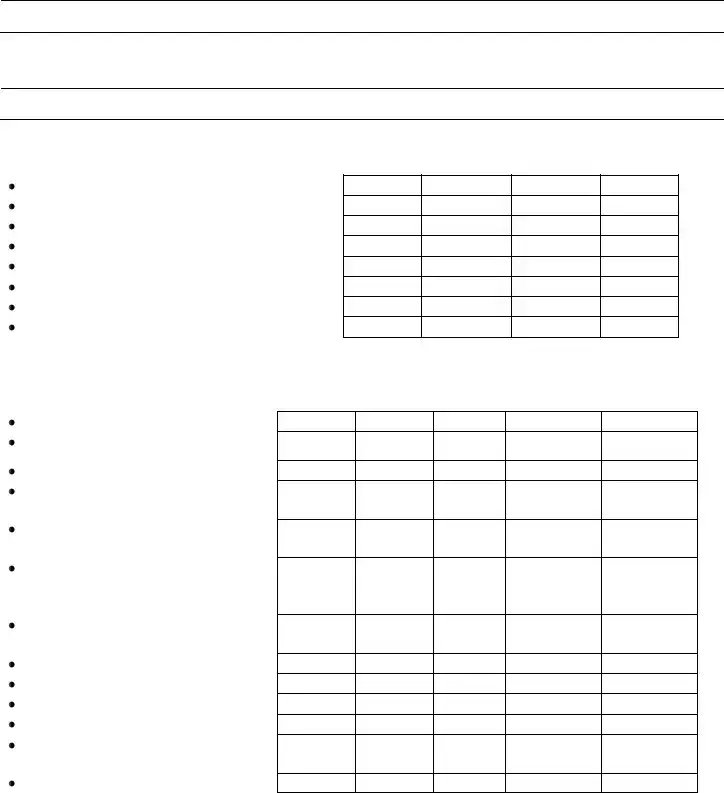
PART ll: COMMENTS/SUGGESTIONS FOR IMPROVEMENT
We are interested in what our employees have to say about their work experience with us. Please complete
this form.
1. What did you like most about your job?
2. What did you like least about your job?
3. How did you feel about the pay and benefits?
Excellent
Good
Fair
Poor
Rate of pay for your job
Paid holidays
Paid vacations
Retirement plan
Medical coverage for self
Medical coverage for dependents
Life insurance
Sick leave
4. How did you feel about the following:
Very
Satisfied
Slightly
Satisfied
Neutral
Slightly
Dissatisfied
Very
Dissatisfied
Opportunity to use your abilities
Recognition for the work you did
Training you received
Your supervisor’s management
methods
The opportunity to talk with your
supervisor
The information you received on
policies, programs, projects and
problems
The information you received on
departmental structure
Promotion policies and practices
Discipline policies and practices
Job transfer policies and practices
Overtime policies and practices
Performance review policies and
practices
Physical working conditions
Page 3 of 3
COMMENTS:
5. a) If you are taking another job, what kind of work will you be doing?
b) What has your new place of employment offered you that is more attractive than your present job?
6. Could we have made any improvements that might have influenced you to stay on the job?
Other remarks (optional):
_____________________________________________________ __________________________
Employee’s Signature Date
DO NOT WRITE BELOW THIS LINE. OFFICE USE ONLY.
( ) Discussed with employee
( ) Right to file for unemployment benefits
( ) Conversion of benefits
( ) If retiring, state option for payment of unused leave ____________________________________________
______________________________________________________ __________________________
Interviewer’s Signature Date

Form Information

Fact Name Description
Purpose The Exit Interview form is designed to gather feedback from departing employees about their experiences within the organization.
Confidentiality Responses on the form are typically kept confidential to encourage honest feedback.
State-Specific Requirements Some states may have specific requirements regarding the use of Exit Interview forms, including how feedback should be documented.
Governing Laws In California, for instance, employers must comply with labor laws that protect employee rights during the exit process.
Timing The form is usually completed during the final days of employment, allowing for timely feedback.
Impact on Company Policy Insights gathered from the Exit Interview can inform changes to company policies and improve the work environment.
Voluntary Participation Completing the Exit Interview form is generally voluntary; employees can choose not to participate without penalty.

Detailed Guide for Filling Out Exit Interview

After completing the Exit Interview form, it will be reviewed by your supervisor or HR representative. They will use your feedback to improve the workplace environment and address any concerns raised. This process is confidential and aims to ensure a smooth transition for all parties involved.

  1. Begin by filling in your personal information at the top of the form, including your name, position, and department.
  2. Provide the date of your departure.
  3. Answer the questions regarding your reasons for leaving. Be honest and specific.
  4. Reflect on your experience with the company. Share any positive aspects and areas for improvement.
  5. Indicate whether you would recommend this company to others seeking employment.
  6. Complete the section regarding your future plans, if comfortable sharing.
  7. Sign and date the form to confirm that your responses are accurate.
  8. Submit the form to the designated HR representative or your supervisor as instructed.

Obtain Answers on Exit Interview

  1. What is an Exit Interview form?

    An Exit Interview form is a tool used by employers to gather feedback from employees who are leaving the organization. This form typically includes questions about the employee's experience, reasons for leaving, and suggestions for improvement. The insights gained can help the company enhance its work environment and retain talent in the future.

  2. Why is it important to complete an Exit Interview form?

    Completing the Exit Interview form is important for several reasons. It provides employees an opportunity to voice their opinions and experiences. This feedback can help the organization identify strengths and weaknesses in its policies and practices. Moreover, it allows the company to understand why employees choose to leave, which can inform strategies for retention and improvement.

  3. What types of questions are typically included in an Exit Interview form?

    Questions on an Exit Interview form can vary, but they often cover the following areas:

    • Reasons for leaving the job
    • Overall job satisfaction
    • Work environment and culture
    • Management and leadership feedback
    • Suggestions for improvement

    These questions aim to elicit honest and constructive feedback from departing employees.

  4. Is participation in the Exit Interview mandatory?

    Participation in an Exit Interview is generally not mandatory. However, it is strongly encouraged. Employees may choose to decline, but doing so means missing out on the chance to share their insights. Companies often value this feedback and may use it to make meaningful changes.

  5. How is the information from the Exit Interview form used?

    The information collected from Exit Interview forms is analyzed to identify trends and areas for improvement within the organization. HR departments may compile this data to create reports that inform leadership about common issues or positive aspects of the workplace. This feedback can lead to changes in policies, training programs, or employee engagement strategies.

  6. Can I remain anonymous when filling out the Exit Interview form?

    Many companies offer the option to remain anonymous when completing an Exit Interview form. This can encourage more honest and candid feedback. However, employees should check their organization’s policy regarding anonymity, as it may vary from one company to another.

  7. What should I do if I have concerns about the Exit Interview process?

    If you have concerns about the Exit Interview process, it is advisable to discuss them with your HR department or manager before your departure. They can provide clarification on the process and address any issues you may have. Open communication is encouraged to ensure a smooth transition for both you and the organization.

Common mistakes

Completing an Exit Interview form is an important step in the departure process. However, many individuals make common mistakes that can affect the usefulness of the feedback provided. One significant mistake is failing to provide specific examples. When respondents offer vague statements about their experiences, it becomes difficult for the organization to understand the underlying issues. Specific examples help clarify the feedback and can lead to meaningful changes.

Another frequent error is neglecting to address both positive and negative experiences. Focusing solely on negative aspects may lead to a skewed perspective. A balanced view allows the organization to recognize what works well and what needs improvement. It is essential to acknowledge positive experiences, as they can provide insights into the company’s strengths.

Additionally, some individuals rush through the form without thoroughly considering their responses. Taking the time to reflect on each question ensures that the feedback is thoughtful and constructive. Hasty responses can result in missed opportunities to convey valuable insights that could benefit the organization in the long run.

Lastly, many people overlook the importance of confidentiality. While it is natural to want to express feelings candidly, it is crucial to remember that the feedback may be reviewed by others. Anonymity should be respected, and sensitive information should be shared carefully. This consideration helps maintain a professional atmosphere and encourages honest communication.

Documents used along the form

When an employee departs from a company, various forms and documents are often utilized to ensure a smooth transition. These documents help gather important information and facilitate the exit process. Here are four key forms that are commonly used alongside the Exit Interview form.

  • Resignation Letter: This document serves as a formal notification from the employee to the employer regarding their intention to leave the organization. It typically includes the last working day and may express gratitude for the time spent with the company.
  • Final Paycheck Authorization: This form outlines the details related to the employee's final paycheck, including any outstanding payments or deductions. It ensures that both the employer and employee are clear on the financial aspects of the departure.
  • Benefits Termination Notice: This document informs the employee about the status of their benefits upon leaving the company. It may include information about health insurance, retirement plans, and any options for continuing coverage.
  • Exit Checklist: An exit checklist is a comprehensive guide that outlines the steps an employee and employer must take during the exit process. It typically includes returning company property, completing necessary paperwork, and ensuring all obligations are met.

Utilizing these forms in conjunction with the Exit Interview form can create a more organized and respectful departure process. This approach not only helps the company maintain records but also supports the employee in their transition to new opportunities.

Similar forms

  • Employee Satisfaction Survey: Both documents aim to gather feedback from employees about their experiences within the organization. While the Exit Interview form focuses on reasons for departure, the Employee Satisfaction Survey evaluates overall job satisfaction and areas for improvement.
  • Onboarding Feedback Form: Similar to the Exit Interview form, this document collects insights from new hires regarding their onboarding experience. Both forms seek to understand employee perspectives, albeit at different stages of employment.
  • Performance Review: The Performance Review assesses an employee's contributions and areas for growth. Like the Exit Interview, it provides a structured opportunity for employees to express their views, though it typically occurs during employment rather than at its conclusion.
  • Grievance Form: This document allows employees to formally report issues or concerns within the workplace. Both the Grievance Form and the Exit Interview form facilitate open communication about employee experiences, focusing on different aspects of employment.
  • Stay Interview: Conducted with current employees, the Stay Interview seeks to understand what keeps them with the organization. Similar to the Exit Interview, it aims to gather feedback to improve retention and employee satisfaction, focusing on positive aspects rather than reasons for leaving.

Dos and Don'ts

When filling out the Exit Interview form, it’s important to approach the process thoughtfully. Here are some guidelines to help ensure a smooth experience.

Things You Should Do:

  • Be honest about your reasons for leaving.
  • Provide constructive feedback about your experience.
  • Express gratitude for the opportunities you had.

Things You Shouldn't Do:

  • Avoid personal attacks on colleagues or management.
  • Do not leave sections blank; provide as much information as possible.
  • Refrain from being overly negative or emotional.

Misconceptions

When it comes to the Exit Interview form, there are several misconceptions that can lead to misunderstandings. Here are four common ones:

  • It's just a formality. Many people believe that Exit Interviews are merely a formality and don’t hold any real significance. In reality, these interviews provide valuable feedback that can help improve the workplace for current and future employees.
  • Only negative feedback is welcome. Some think that only complaints or negative experiences are valuable during an Exit Interview. However, positive feedback is equally important. It helps the organization understand what works well and what should be maintained.
  • My responses are not confidential. There’s a common fear that what you say in an Exit Interview will be shared openly. Most companies emphasize confidentiality, ensuring that your feedback is used constructively and not against you.
  • It's a waste of time. Many employees feel that participating in an Exit Interview is pointless. In truth, it’s an opportunity to voice your opinions and contribute to meaningful changes within the organization.

Key takeaways

Filling out and using the Exit Interview form can provide valuable insights for both employees and employers. Here are some key takeaways:

  • Be Honest: Share your true feelings about your experience. This helps the organization improve.
  • Be Constructive: Offer suggestions for improvement. Positive feedback can lead to changes that benefit everyone.
  • Keep it Professional: Maintain a respectful tone, even if your experience was not positive. This reflects well on you.
  • Confidentiality: Understand that your responses may be kept confidential. This encourages open and honest feedback.
  • Complete All Sections: Fill out every part of the form. Incomplete forms may not provide the full picture.
  • Follow Up: If necessary, ask about the next steps after submitting the form. This shows your continued interest in the organization.