Homepage Blank DA 4856 Form
Outline

The DA 4856 form plays a crucial role in the United States Army's evaluation and counseling processes, serving as a vital tool for leaders and soldiers alike. This form is primarily used for developmental counseling, allowing leaders to document discussions regarding a soldier’s performance, potential, and areas for improvement. It encompasses various aspects, including the soldier’s strengths and weaknesses, goals for future development, and specific actions to enhance performance. The form not only fosters open communication between leaders and soldiers but also ensures that counseling sessions are structured and documented effectively. By providing a standardized format, the DA 4856 promotes accountability and consistency within the Army's counseling practices. Furthermore, it assists in tracking a soldier's progress over time, making it an essential component of professional development and career advancement within the military framework.

Sample - DA 4856 Form

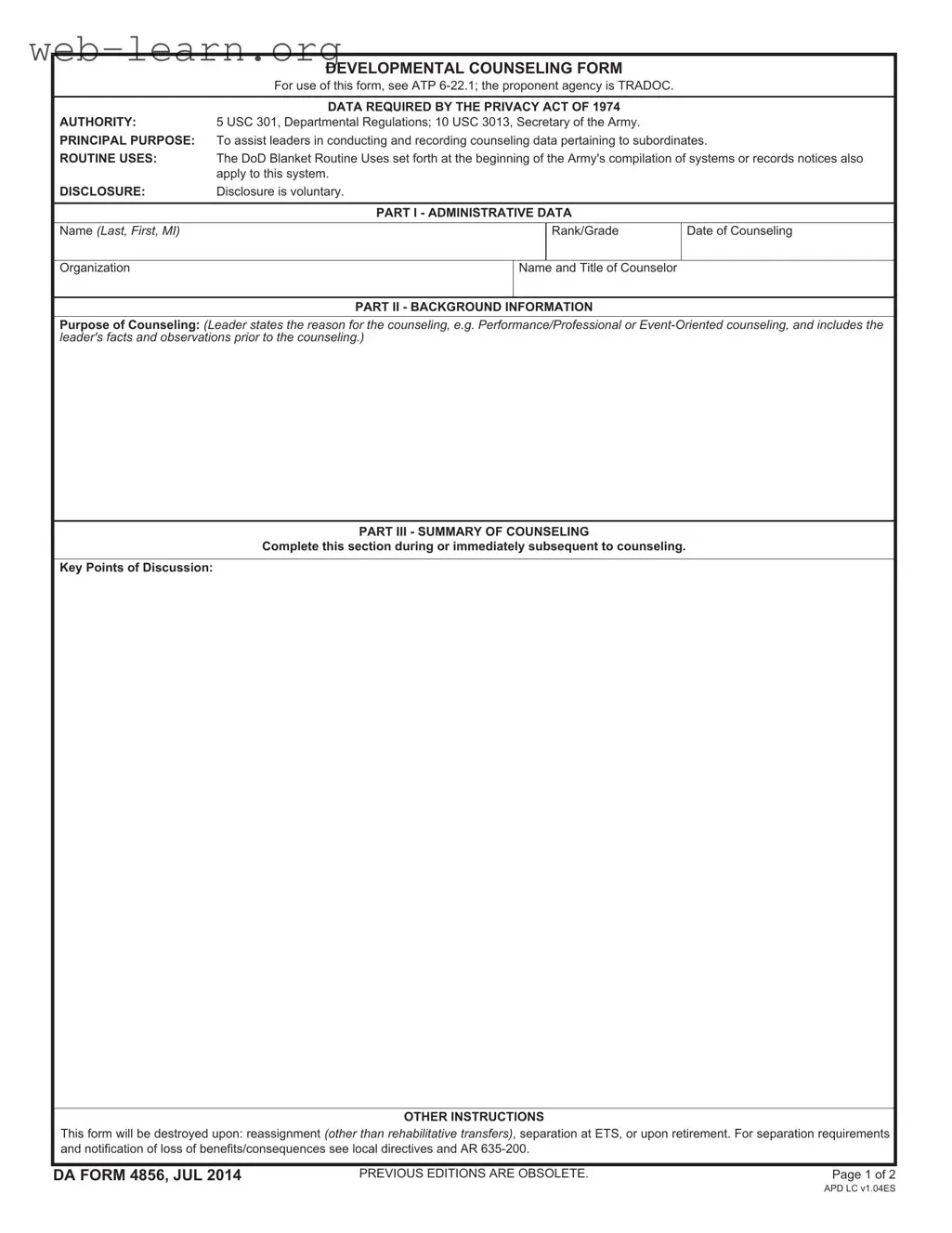
DEVELOPMENTAL COUNSELING FORM
For use of this form, see ATP 6-22.1; the proponent agency is TRADOC.
DATA REQUIRED BY THE PRIVACY ACT OF 1974
AUTHORITY: 5 USC 301, Departmental Regulations; 10 USC 3013, Secretary of the Army.
PRINCIPAL PURPOSE: To assist leaders in conducting and recording counseling data pertaining to subordinates.
ROUTINE USES: The DoD Blanket Routine Uses set forth at the beginning of the Army's compilation of systems or records notices also
apply to this system.
DISCLOSURE: Disclosure is voluntary.
PART I - ADMINISTRATIVE DATA
Name (Last, First, MI)
Rank/Grade Date of Counseling
Organization Name and Title of Counselor
PART II - BACKGROUND INFORMATION
Purpose of Counseling: (Leader states the reason for the counseling, e.g. Performance/Professional or Event-Oriented counseling, and includes the
leader's facts and observations prior to the counseling.)
PART III - SUMMARY OF COUNSELING
Complete this section during or immediately subsequent to counseling.
Key Points of Discussion:
OTHER INSTRUCTIONS
This form will be destroyed upon: reassignment (other than rehabilitative transfers), separation at ETS, or upon retirement. For separation requirements
and notification of loss of benefits/consequences see local directives and AR 635-200.
DA FORM 4856, JUL 2014
PREVIOUS EDITIONS ARE OBSOLETE.
Page 1 of 2
APD LC v1.04ES
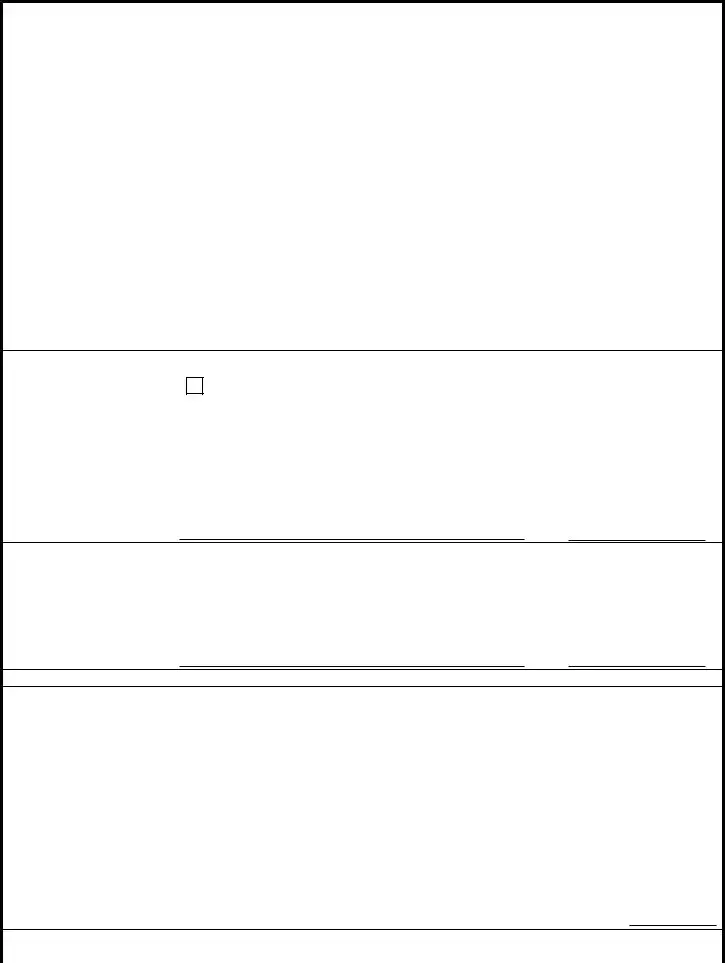
Plan of Action (Outlines actions that the subordinate will do after the counseling session to reach the agreed upon goal(s). The actions must be
specific enough to modify or maintain the subordinate's behavior and include a specified time line for implementation and assessment (Part IV below)
Session Closing: (The leader summarizes the key points of the session and checks if the subordinate understands the plan of action. The subordinate
agrees/disagrees and provides remarks if appropriate.)
Individual counseled: I agree disagree with the information above.
Individual counseled remarks:
Signature of Individual Counseled: Date:
Leader Responsibilities: (Leader's responsibilities in implementing the plan of action.)
Signature of Counselor: Date:
PART IV - ASSESSMENT OF THE PLAN OF ACTION
Assessment: (Did the plan of action achieve the desired results? This section is completed by both the leader and the individual counseled and
provides useful information for follow-up counseling.)
Counselor: Individual Counseled:
Date of
Assessment:
Note: Both the counselor and the individual counseled should retain a record of the counseling.
DA FORM 4856, JUL 2014
Page 2 of 2
APD LC v1.04ES

Form Information

Fact Name Description
Form Purpose The DA 4856 form is used for counseling sessions in the U.S. Army.
Format This form is a standardized document that must be filled out in writing.
Sections The form includes sections for the counselor's information, the counseled individual's information, and the counseling session details.
Usage Frequency It is used frequently for both formal and informal counseling sessions.
Signature Requirement Both the counselor and the counseled individual must sign the form to acknowledge the session.
Retention Period The completed form should be retained in the individual's personnel file for a specified duration.
State-Specific Forms Some states may have additional forms or requirements based on local laws.
Governing Law Federal regulations govern the use of the DA 4856 form, specifically Army Regulation 623-3.
Training Requirement Counselors must receive training on how to properly complete and use the DA 4856 form.

Detailed Guide for Filling Out DA 4856

The DA 4856 form is often used in military settings for counseling purposes. After completing this form, it is typically submitted to the appropriate authority for review and further action. Following the outlined steps will help ensure that the form is filled out accurately and completely.

  1. Begin by obtaining a blank DA 4856 form. This can be done through official military resources or online.
  2. At the top of the form, enter the date when the counseling session takes place.
  3. Fill in the name of the individual being counseled. Include their rank and organization.
  4. Provide the name and rank of the counselor in the designated section.
  5. In the "Purpose of Counseling" section, clearly state the reason for the counseling session.
  6. Detail the specific issues or behaviors that prompted the counseling. Be factual and objective.
  7. In the "Plan of Action" section, outline the steps that the individual should take to improve or address the issues discussed.
  8. Set a follow-up date to review progress. This ensures accountability and provides an opportunity for further discussion.
  9. Both the counselor and the individual being counseled should sign and date the form at the bottom.
  10. Make a copy of the completed form for both parties before submitting it to the appropriate authority.

Obtain Answers on DA 4856

  1. What is the DA 4856 form?

    The DA 4856 form, also known as the Developmental Counseling Form, is a tool used by the U.S. Army to document counseling sessions between leaders and soldiers. It serves multiple purposes, including providing feedback, addressing performance issues, and setting goals for future development. The form is essential for maintaining clear communication and ensuring that soldiers understand expectations and areas for improvement.

  2. When should the DA 4856 form be used?

    The DA 4856 form can be used in various situations. It is often utilized during initial counseling sessions, performance evaluations, and when addressing specific behavioral issues. Leaders may also use it to document positive achievements and set developmental goals. Essentially, any time a leader needs to communicate important information or guidance to a soldier, the DA 4856 is appropriate.

  3. What are the key sections of the DA 4856 form?

    The DA 4856 form consists of several key sections:

    • Administrative Data: This section includes the soldier's name, rank, unit, and date of counseling.
    • Purpose of Counseling: Here, the leader specifies the reason for the counseling session, whether it's for performance, personal issues, or other concerns.
    • Summary of Counseling: This section captures the main points discussed during the session, including feedback and observations.
    • Plan of Action: Leaders outline specific goals and actions that the soldier should take to improve performance or address issues.
    • Leader Responsibilities: This section details what the leader will do to support the soldier's development.
    • Soldier Responsibilities: Here, the soldier acknowledges their role in the plan and commits to the outlined actions.
  4. How does the DA 4856 form benefit soldiers?

    The DA 4856 form benefits soldiers by providing a structured framework for feedback and development. It clarifies expectations and helps soldiers understand where they stand in terms of performance. Additionally, it encourages open dialogue between soldiers and their leaders, fostering a supportive environment for growth. By documenting goals and responsibilities, the form empowers soldiers to take ownership of their development.

  5. Can the DA 4856 form be used for positive counseling?

    Absolutely. While the DA 4856 form is often associated with addressing performance issues, it is equally valuable for positive counseling. Leaders can use the form to recognize achievements, reinforce good behavior, and motivate soldiers. Documenting positive feedback not only boosts morale but also sets a standard for continued excellence.

Common mistakes

Filling out the DA 4856 form can be a straightforward process, but many people make common mistakes that can lead to confusion or delays. One frequent error is failing to provide complete information. When sections are left blank or partially filled, it can create misunderstandings about the individual's performance or situation. Always ensure that every relevant field is completed.

Another mistake is not using clear and concise language. Ambiguity can lead to misinterpretation. It’s important to be direct and specific about the details being reported. Avoid using jargon or overly complex phrases that might confuse the reader.

Some individuals overlook the importance of signatures. The DA 4856 requires signatures from both the counselor and the individual receiving the counseling. Neglecting to sign can invalidate the form. Always double-check that all necessary signatures are present before submission.

Additionally, people often fail to date the form correctly. Each entry should include the date it was filled out, as this provides a clear timeline of events. Without proper dating, it can be challenging to track the progression of counseling sessions.

Another common error is not reviewing the form before submission. A quick review can catch typographical errors or missing information. Taking the time to proofread can save a lot of headaches down the line.

Many individuals also forget to keep a copy of the completed form for their records. Retaining a copy can be crucial for future reference, especially if there are follow-up sessions or if any disputes arise regarding the counseling.

Some people may not understand the importance of confidentiality. It’s vital to ensure that sensitive information is handled appropriately. Always be cautious about sharing details that should remain private.

Finally, not seeking guidance when unsure can lead to mistakes. If you’re uncertain about how to fill out a specific section, don’t hesitate to ask for help. Consulting with a supervisor or a knowledgeable colleague can provide clarity and ensure the form is filled out correctly.

Documents used along the form

The DA Form 4856, also known as the Developmental Counseling Form, is a key document used in the U.S. Army for recording counseling sessions. It is often accompanied by other forms and documents that serve various purposes in the counseling process. Below is a list of commonly used documents alongside the DA 4856 form.

  • DA Form 2166-9: This is the NCO Evaluation Report, which provides a summary of an NCO's performance and potential. It is used during the counseling process to set performance expectations.
  • DA Form 7520: This form is used for the Army's Family Advocacy Program. It documents incidents of domestic violence and is important for counseling related to personal issues.
  • DA Form 1506: This form is used to document prior service for soldiers who are transitioning to a new unit or branch. It helps in understanding a soldier's background during counseling.
  • DA Form 31: This is the Request and Authority for Leave form. It may be discussed during counseling sessions when addressing a soldier's leave and duty status.
  • DA Form 4187: This is the Personnel Action form. It is often used to document changes in a soldier's status, such as promotions or disciplinary actions, which may be addressed in counseling.
  • DA Form 4856-1: This is an optional form that can be used as a supplement to the DA 4856, providing additional space for notes or comments during counseling sessions.
  • DA Form 5500/5501: These forms are used to record body fat content and measurements. They may be relevant in counseling regarding physical fitness and health.
  • DA Form 3349: This form is used to document a soldier's physical profile. It may be relevant in counseling sessions that address physical limitations or medical issues.
  • DA Form 12-99: This form is used to document a soldier's training and education. It can be helpful in counseling sessions focused on career development.
  • DA Form 1059: This is the Academic Evaluation Report, which summarizes a soldier's performance in military schools. It can provide context for discussions about professional growth.

These forms and documents complement the DA 4856 by providing additional context and information that can enhance the counseling process. Each plays a unique role in ensuring that soldiers receive comprehensive support and guidance.

Similar forms

The DA Form 4856, also known as the Developmental Counseling Form, serves as a vital tool for documenting counseling sessions within the military. It is essential to understand how this form aligns with other similar documents. Below is a list of four documents that share similarities with the DA 4856, along with explanations of how they relate to one another.

  • NCOER (Non-Commissioned Officer Evaluation Report): The NCOER is a formal evaluation tool that assesses the performance and potential of non-commissioned officers. Like the DA 4856, it provides a structured format for documenting feedback and development, ensuring that the service member's growth is tracked over time.
  • OER (Officer Evaluation Report): Similar to the NCOER, the OER evaluates the performance of officers. Both documents serve the purpose of providing constructive feedback, guiding professional development, and documenting achievements, which is also a key function of the DA 4856.
  • DA Form 2166-9 (NCO Evaluation Report): This form specifically evaluates the performance of NCOs at different levels. It shares the DA 4856's focus on development and feedback, emphasizing the importance of ongoing communication and support in a military career.
  • DA Form 7000 (Personal Financial Management Plan): While primarily focused on financial management, the DA Form 7000 also requires counseling and guidance. Like the DA 4856, it fosters a supportive environment where service members can receive advice and develop plans for improvement.

Understanding these documents can help service members navigate their professional development more effectively. Each form plays a unique role in fostering communication, feedback, and growth within the military structure.

Dos and Don'ts

When filling out the DA 4856 form, attention to detail is crucial. Here’s a list of things you should and shouldn't do to ensure accuracy and compliance.

  • Do read the instructions carefully before starting.
  • Don't leave any sections blank unless instructed.
  • Do use clear and legible handwriting or type your responses.
  • Don't use abbreviations or slang that may confuse the reader.
  • Do double-check all information for accuracy.
  • Don't forget to sign and date the form where required.
  • Do ensure that all required attachments are included.
  • Don't submit the form without reviewing it one last time.
  • Do keep a copy of the completed form for your records.
  • Don't ignore deadlines for submission.

Following these guidelines will help you complete the DA 4856 form correctly and efficiently. Make sure to prioritize accuracy and clarity throughout the process.

Misconceptions

The DA Form 4856, also known as the Developmental Counseling Form, is often misunderstood. Here are seven common misconceptions about this important document.

  1. It's only for negative counseling.

    Many believe that the DA 4856 is solely used for documenting disciplinary actions. In reality, it serves multiple purposes, including positive reinforcement and developmental counseling.

  2. It must be completed in a formal setting.

    Some think that counseling sessions must take place in a formal environment. However, counseling can occur in various settings, as long as the atmosphere is conducive to open communication.

  3. Only leaders can initiate a DA 4856.

    While leaders often use this form, any service member can request a counseling session. This encourages a culture of feedback and personal growth.

  4. It is a permanent record.

    Many assume that once a DA 4856 is filled out, it remains a permanent part of their record. However, it is not automatically filed in official personnel records unless specified by a leader.

  5. It is only about performance issues.

    Some people think the form only addresses performance problems. In fact, it can also cover career development, personal issues, and goal setting.

  6. It requires extensive documentation.

    There is a misconception that filling out the DA 4856 requires a lot of paperwork and details. The form is designed to be straightforward, focusing on key points rather than excessive documentation.

  7. Once signed, it cannot be modified.

    Some believe that a signed DA 4856 cannot be changed. In reality, it can be updated if new information arises or if further counseling is needed.

Understanding these misconceptions can help service members utilize the DA 4856 effectively for their personal and professional development.

Key takeaways

The DA Form 4856 is a critical tool for U.S. Army leaders and soldiers. Understanding its purpose and proper usage can enhance communication and accountability. Here are key takeaways regarding the form:

  • Purpose: The DA 4856 serves as a developmental counseling form. It documents discussions between leaders and soldiers about performance, behavior, and professional growth.
  • Structure: The form includes sections for the counselor's information, the soldier's information, and the specifics of the counseling session.
  • Preparation: Before filling out the form, the counselor should gather relevant information about the soldier’s performance and any previous counseling sessions.
  • Clarity: Use clear and concise language. Avoid jargon to ensure that the soldier fully understands the feedback and expectations.
  • Follow-Up: After the counseling session, it is essential to schedule follow-up meetings to review progress and make necessary adjustments.
  • Documentation: Keep a copy of the completed DA 4856 in the soldier's personnel file. This provides a record of the counseling and can be referenced in future evaluations.
  • Legal Considerations: The form may be used in disciplinary actions. Ensure that all entries are factual and objective to avoid potential legal issues.