Homepage Blank California Jv 462 Form
Outline

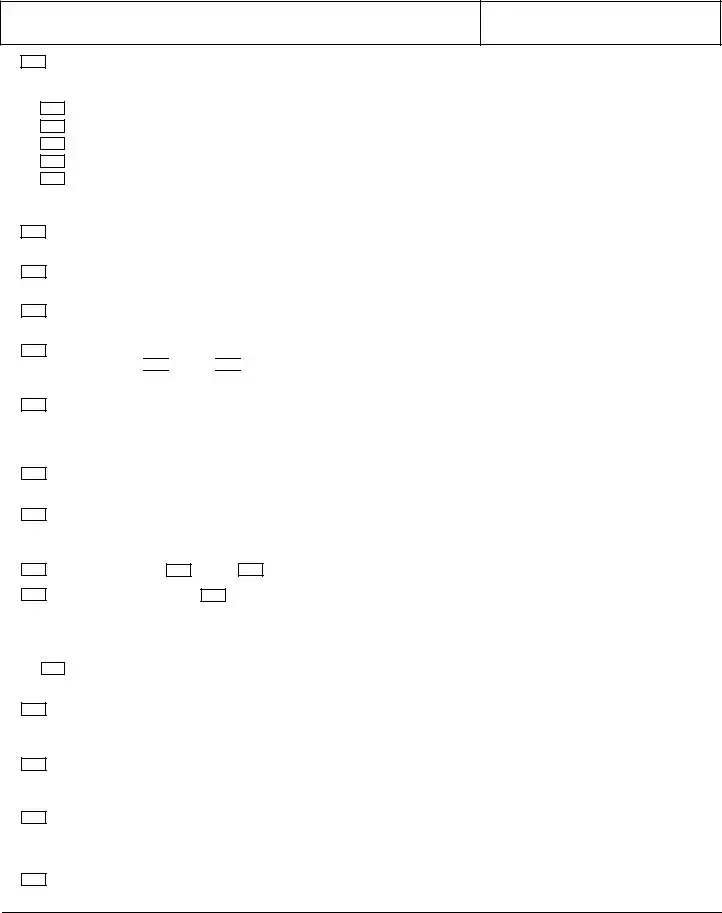
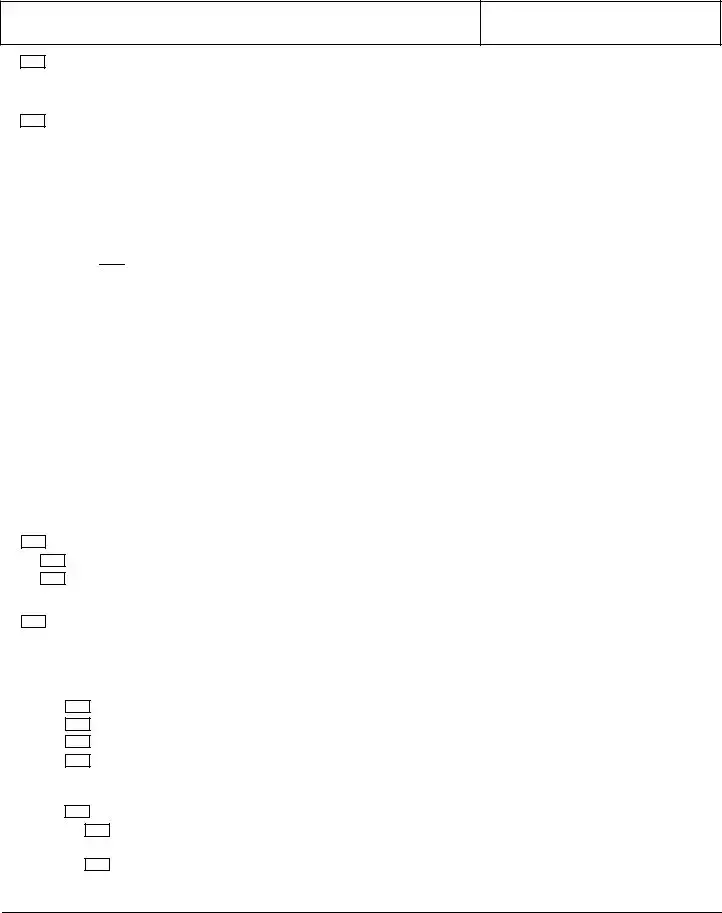
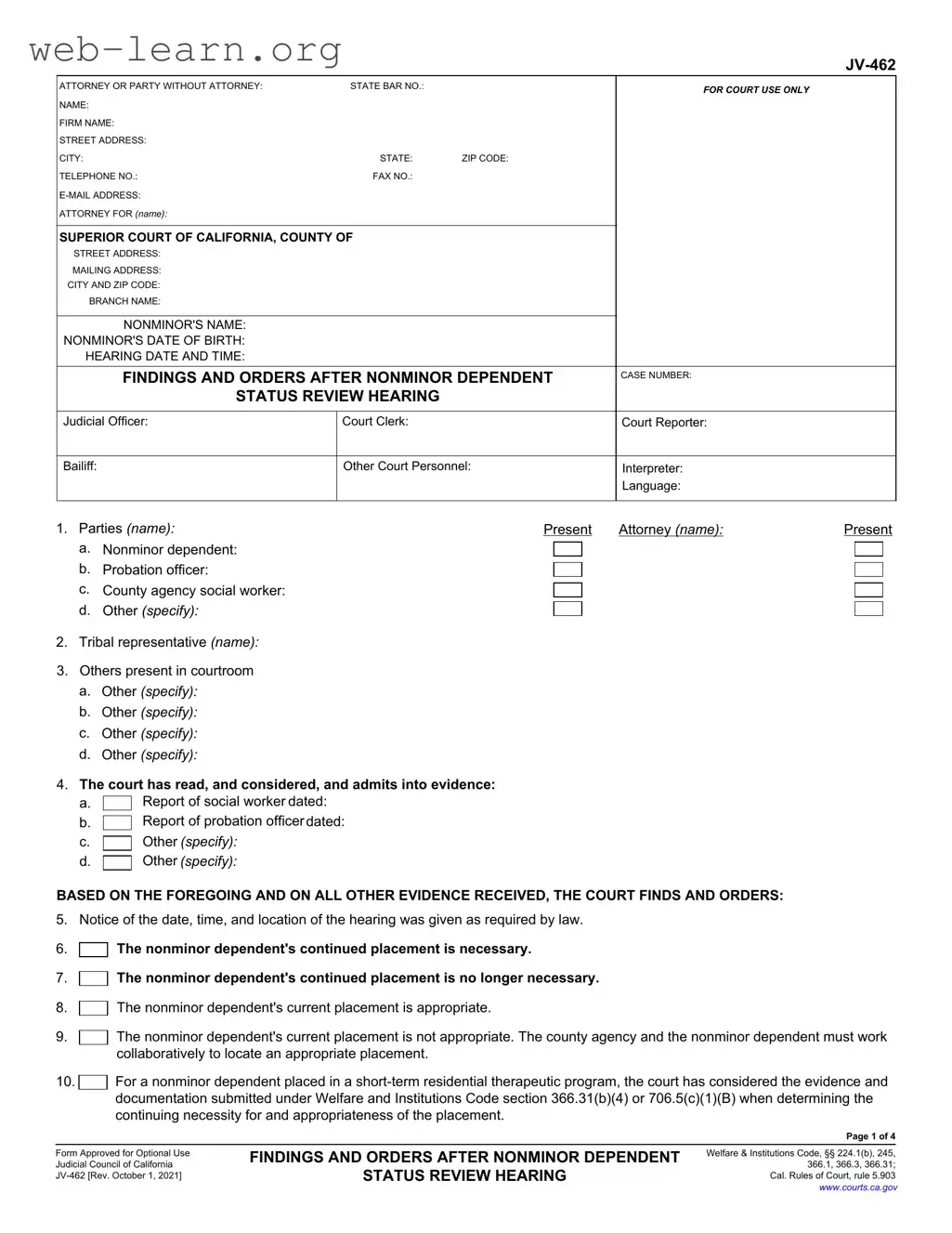
The California JV-462 form plays a crucial role in the juvenile court system, specifically addressing the status of nonminor dependents who are placed in short-term residential therapeutic programs. This form is utilized during status review hearings, where the court evaluates the appropriateness of the nonminor's current placement and the necessity of continued juvenile court jurisdiction. It encompasses a range of considerations, including the nonminor's progress in their Transitional Independent Living Case Plan, which outlines the steps necessary for them to achieve successful adulthood. The form requires the court to assess whether the nonminor is receiving adequate support and services, and whether their living situation aligns with their needs and goals. Additionally, it prompts the court to determine if the county agency has made reasonable efforts to facilitate the nonminor's transition to independence, including maintaining important relationships and exploring potential permanent placements. Ultimately, the JV-462 form serves as a comprehensive tool for the court to make informed decisions regarding the future of nonminor dependents, ensuring that their best interests remain at the forefront of the judicial process.

Sample - California Jv 462 Form

Page 1 of 4
Form Approved for Optional Use
Judicial Council of California
JV-462 [Rev. October 1, 2021]
FINDINGS AND ORDERS AFTER NONMINOR DEPENDENT
STATUS REVIEW HEARING
Welfare & Institutions Code, §§ 224.1(b), 245,
366.1, 366.3, 366.31;
Cal. Rules of Court, rule 5.903
JV-462
FOR COURT USE ONLY
CASE NUMBER:
ATTORNEY OR PARTY WITHOUT ATTORNEY: STATE BAR NO.:
NAME:
FIRM NAME:
STREET ADDRESS:
CITY: STATE: ZIP CODE:
TELEPHONE NO.: FAX NO.:
E-MAIL ADDRESS:
ATTORNEY FOR (name):
SUPERIOR COURT OF CALIFORNIA, COUNTY OF
STREET ADDRESS:
MAILING ADDRESS:
CITY AND ZIP CODE:
BRANCH NAME:
NONMINOR'S NAME:
NONMINOR'S DATE OF BIRTH:
HEARING DATE AND TIME:
FINDINGS AND ORDERS AFTER NONMINOR DEPENDENT
STATUS REVIEW HEARING
Judicial Officer: Court Clerk:
Court Reporter:
Bailiff: Other Court Personnel:
Interpreter:
Language:
1.
Parties (name):
Present
Attorney (name):
Present
a.
Nonminor dependent:
b.
Probation officer:
c.
County agency social worker:
d.
Other (specify):
2.
Tribal representative (name):
3.
Others present in courtroom
a.
Other (specify):
b.
Other (specify):
c.
Other (specify):
d.
Other (specify):
4. The court has read, and considered, and admits into evidence:
a.
Report of social worker
dated:
b.
Report of probation officer
dated:
c.
Other
(specify):
d.
Other
(specify):
BASED ON THE FOREGOING AND ON ALL OTHER EVIDENCE RECEIVED, THE COURT FINDS AND ORDERS:
5. Notice of the date, time, and location of the hearing was given as required by law.
6.
The nonminor dependent's continued placement is necessary.
7.
The nonminor dependent's continued placement is no longer necessary.
8.
The nonminor dependent's current placement is appropriate.
9.
The nonminor dependent's current placement is not appropriate. The county agency and the nonminor dependent must work
collaboratively to locate an appropriate placement.
10. For a nonminor dependent placed in a short-term residential therapeutic program, the court has considered the evidence and
documentation submitted under Welfare and Institutions Code section 366.31(b)(4) or 706.5(c)(1)(B) when determining the
continuing necessity for and appropriateness of the placement.
www.courts.ca.gov
JV-462 [Rev. October 1, 2021]
FINDINGS AND ORDERS AFTER NONMINOR
DEPENDENT STATUS REVIEW HEARING
JV-462
NONMINOR'S NAME:
CASE NUMBER:
11.
The nonminor dependent's Transitional Independent Living Case Plan does include a plan for him or her to satisfy at least
one of the criteria in Welfare and Institutions Code section 11403(b) to remain in foster care under juvenile court jurisdiction
as indicated below:
a.
Attending high school or a high school equivalency certificate (GED) program.
b.
Attending a college, a community college, or a vocational education program.
c.
Attending a program or participating in an activity that will promote or help remove a barrier to employment.
d.
Employed at least 80 hours per month.
e.
The nonminor dependent is not able to attend a high school, a high school equivalency certificate (GED) program, a
college, a community college, a vocational education program, or an employment program or activity or to work 80 hours
per month due to a medical condition.
12.
The county agency made reasonable efforts and provided assistance to help the nonminor
dependent establish and maintain compliance with one of the conditions in Welfare and Institutions Code section 11403(b).
has
has not
13.
The nonminor dependent provided with the information, documents, and services as
required under Welfare and Institutions Code section 391(c).
was
was not
14.
The Transitional Independent Living Case Plan developed jointly by the nonminor
dependent and the county agency.
was
was not
15.
For the nonminor dependent who has elected to have the Indian Child Welfare Act continue to apply, the representative from
his or her tribe consulted during the development of the nonminor dependent's Transitional
Independent Living Case Plan.
was
was not
16.
The nonminor dependent's Transitional Independent Living Case Plan reflect the living
situation and services consistent, in the nonminor dependent's opinion, with what he or she needs to achieve successful
adulthood and set out benchmarks that indicate how both the county agency and nonminor dependent will know when
successful adulthood can be achieved.
does
does not
17.
The nonminor dependent's Transitional Independent Living Case Plan include appropriate
and meaningful independent living skill services that will help the youth transition from foster care to successful adulthood.
does
does not
18.
The county agency made reasonable efforts to comply with the nonminor dependent's
Transitional Independent Living Case Plan, including efforts to finalize the youth's permanent plan and prepare him or her for
independence.
has
has not
19.
The county agency made ongoing and intensive efforts to finalize the permanent plan.
has
has not
20.
The nonminor dependent sign and receive a copy of his or her Transitional Independent
Living Case Plan.
did
did not
21.
a.
The extent of progress made by the nonminor dependent toward meeting the Transitional Independent Living Case Plan goals
has been
excellent satisfactory minimal.
b.
The modifications to the Transitional Independent Living Case Plan goals needed to assist the nonminor dependent
in his or her efforts to attain those goals were stated on the record.
22.
The county agency exercised due diligence to locate an appropriate relative with whom the
nonminor could be placed. Each relative whose name has been submitted to the department
been evaluated.
has
has not
has
has not
23.
The county agency made reasonable efforts to maintain relations between the nonminor
dependent and individuals who are important to him or her, including efforts to establish and maintain relationships with
caring and committed adults who can serve as lifelong connections.
has
has not
24.
The county agency made reasonable efforts to establish or maintain the nonminor
dependent's relationship with his or her siblings who are under juvenile court jurisdiction.
has
has not
25. The likely date by which it is anticipated the nonminor dependent will achieve successful adulthood is:
26.
It appears that juvenile court jurisdiction over the nonminor may no longer be necessary, and a hearing to consider
termination of juvenile court jurisdiction under rule 5.555 of the California Rules of Court is ordered.
Page 2 of 4
JV-462 [Rev. October 1, 2021]
FINDINGS AND ORDERS AFTER NONMINOR
DEPENDENT STATUS REVIEW HEARING
JV-462
NONMINOR'S NAME:
CASE NUMBER:
27.
At a hearing under rule 5.555 of the California Rules of Court held on the date below, the juvenile court entered the findings
and orders as recorded on the Findings and Orders After Hearing to Consider Termination of Juvenile Court Jurisdiction Over
a Nonminor (form JV-367), and juvenile court jurisdiction is terminated under those findings and orders.
28.
Juvenile court jurisdiction over the youth as a nonminor dependent is continued and
a.
The youth's permanent plan is:
(1)
Return home
(2)
Adoption
(3)
Tribal customary adoption
(4)
Placement with a fit and willing relative
(5)
Another planned permanent living arrangement
(6)
Other
(specify):
b.
For nonminors placed in another planned permanent living arrangement, the court has considered the evidence
before it and finds that another planned permanent living arrangement is still the best permanent plan because:
(1)
The nonminor is 18 or older.
(2)
Other (specify):
The compelling reasons why other permanent plan options are not in the nonminor's best interest are:
(1)
The nonminor wants to live independently.
(2)
Other (specify):
c.
Family reunification services are continued.
d.
The matter is continued for a hearing set under Welfare and Institutions Code section 366.31, and rule 5.903 of the
California Rules of Court within the next six months.
29. All prior orders not in conflict with this order remain in full force and effect.
30.
Other findings and orders
a. See attachment 29a.
b.
(Specify):
31.
Additional findings and orders for nonminor dependent with case plan of continued family reunification services
a.
The agency complied with the case plan by making reasonable efforts to create a safe home
for the nonminor dependent to reside in and to complete whatever steps are necessary to finalize the permanent plan.
has
has not
b.
The extent of progress made toward alleviating or mitigating the causes necessitating the current out-of-home placement has
been
(1)
by the
father:
(2)
by the mother:
(3)
by the nonminor:
(4)
other
(specify):
c.
The likely date by which the nonminor dependent may safely reside in the family home or achieve successful adulthood is:
d.
(1)
The nonminor can safely reside in the family home and may return to the family home.
(a)
The court maintains jurisdiction under Welfare and Institutions Code section 303(a) and a review hearing under
Welfare and Institutions Code section 366.31 is ordered.
(b)
It appears that juvenile court jurisdiction over the nonminor may no longer be necessary, and a hearing to
consider termination of juvenile court jurisdiction under Welfare and Institutions Code section 391 and rule 5.555
of the California Rules of Court is ordered.
Page 3 of 4
JV-462 [Rev. October 1, 2021]
FINDINGS AND ORDERS AFTER NONMINOR
DEPENDENT STATUS REVIEW HEARING
Page 4 of 4
JV-462
NONMINOR'S NAME:
CASE NUMBER:
31.
d.
(2)
The nonminor cannot safely reside in the family home, and reunification services are continued.
(a)
The nonminor dependent and parent(s) of guardian(s) are in agreement with the continuation of reunification services.
(b)
Continued reunification services are in the best interest of the nonminor dependent.
(c) There is a substantial probability that the nonminor dependent will be able to safely reside in the family home by the
next review hearing.
(d) The matter is continued for a review hearing under Welfare and Institutions Code section 366.31 and rule 5.903 of the
California Rules of Court within the next six months.
(3)
The nonminor cannot safely reside in the family home and reunification services are terminated (check all that apply).
(a)
The nonminor dependent and parent(s) or guardian(s) are not in agreement with the continuation of reunification
services.
(b)
Continued reunification services are not in the best interest of the nonminor dependent.
(c)
There is not a substantial probability that the nonminor dependent will be able to safely reside in the family home
by the next review hearing.
32.
Additional findings and orders for nonminor residing in the home of a parent or former legal guardian
a.
(1)
It appears that juvenile court jurisdiction over the nonminor may no longer be necessary, and a hearing to consider
termination of juvenile court jurisdiction under Welfare and Institutions Code section 391 and rule 5.555 of the
California Rules of Court is ordered.
(2)
Court supervision and juvenile court jurisdiction continues to be necessary. The court maintains jurisdiction under
Welfare and Institutions Code section 303(a). The matter is continued for a review hearing under Welfare and
Institutions Code section 366.31 and rule 5.903 of the California Rules of Court within the next six months.
b.
The county agency complied with the case plan by making reasonable efforts to
maintain a safe family home for the nonminor.
has
has not
c.
The county agency complied with the nonminor's Transitional Independent Living Case
Plan, including efforts to prepare the nonminor for successful adulthood.
has
has not
33.
The next hearings are scheduled as follows:
a.
Nonminor dependent status review hearing (Wel. & Inst. Code, § 366.31; Cal. Rules of Court, rule 5.903)
Hearing date: Time: Dept: Room:
b.
Hearing to consider termination of jurisdiction under rule 5.555 of the California Rules of Court.
Hearing date: Time: Dept: Room:
c.
Other (specify):
Hearing date: Time: Dept: Room:
34.
Number of pages attached:
Date:
JUDICIAL OFFICER
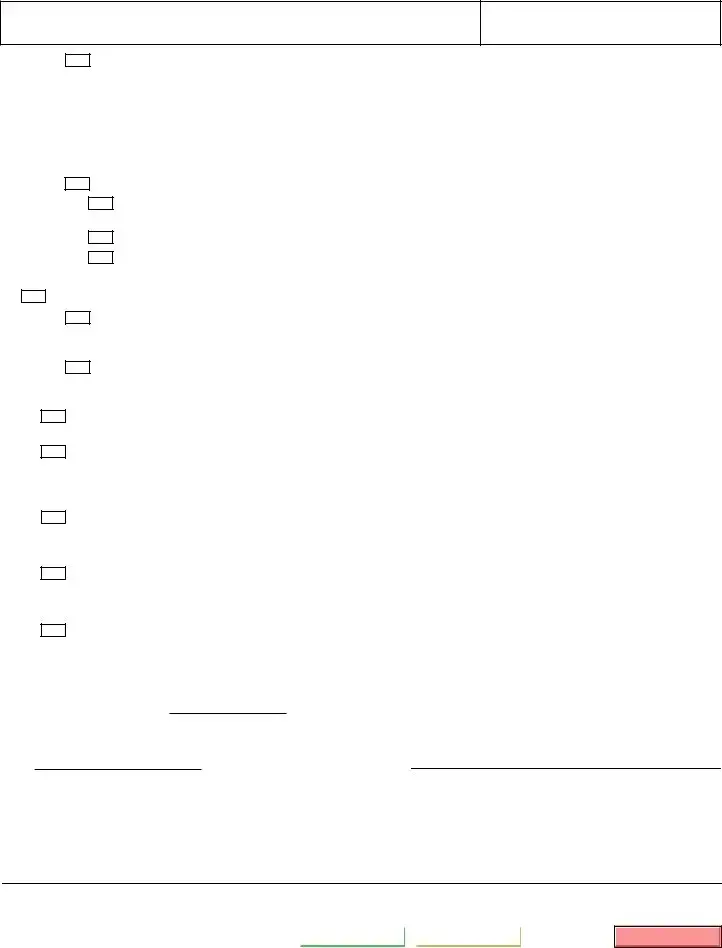
For your protection and privacy, please press the Clear
This Form button after you have printed the form.
Print this form
Save this form
Clear this form

Form Information

Fact Name Description Governing Law
Purpose of Form The California JV-462 form is used during hearings to review the status of nonminor dependents placed in short-term residential therapeutic programs. Welfare and Institutions Code § 366.31
Placement Appropriateness The court evaluates whether the current placement of the nonminor dependent is appropriate or necessary based on evidence presented. Welfare and Institutions Code § 366.31(b)(4)
Collaboration Requirement The county agency and the nonminor dependent are required to work together to find a suitable placement if the current one is deemed inappropriate. Welfare and Institutions Code § 706.5(c)(1)(B)
Transitional Independent Living Case Plan The form assesses whether the nonminor dependent's plan for transitioning to independent living meets the necessary criteria outlined in the law. Welfare and Institutions Code § 11403(b)

Detailed Guide for Filling Out California Jv 462

Completing the California JV-462 form requires careful attention to detail. The information provided will assist the court in making informed decisions regarding the nonminor dependent's status. Follow these steps to ensure accurate completion of the form.

  1. Begin by entering your name and contact information in the section labeled ATTORNEY OR PARTY WITHOUT ATTORNEY. Include your State Bar number, firm name, street address, city, state, ZIP code, telephone number, fax number, and email address.
  2. In the FOR COURT USE ONLY section, write the name of the nonminor dependent and their date of birth.
  3. Indicate the hearing date and time.
  4. Fill in the case number and the name of the judicial officer overseeing the case.
  5. List the names of all parties present at the hearing, including the nonminor dependent, probation officer, and county agency social worker.
  6. Include the name of the tribal representative if applicable, and note any others present in the courtroom.
  7. Document the reports considered by the court, including the dates of the social worker's and probation officer's reports.
  8. Complete the findings and orders section, confirming that notice of the hearing was given as required by law.
  9. Provide details regarding the nonminor dependent's Transitional Independent Living Case Plan, including whether it meets the criteria outlined in Welfare and Institutions Code section 11403(b).
  10. Indicate whether the county agency has made reasonable efforts to assist the nonminor dependent in meeting their case plan goals.
  11. Note the extent of progress made by the nonminor dependent toward achieving their goals.
  12. Fill in the anticipated date for the nonminor dependent to achieve successful adulthood.
  13. Complete any additional findings and orders as necessary, including those related to family reunification services.
  14. List the dates and times for any upcoming hearings related to the case.
  15. Finally, indicate the number of pages attached to the form and provide the date and signature of the judicial officer.

Obtain Answers on California Jv 462

  1. What is the California JV-462 form?

    The California JV-462 form, also known as the Findings and Orders After Nonminor Dependent Status Review Hearing, is a legal document used in juvenile court proceedings. It focuses on nonminor dependents—youth who are 18 years or older and still under juvenile court jurisdiction. This form helps the court evaluate the nonminor's current living situation, the appropriateness of their placement, and the progress they are making towards independence.

  2. Who uses the JV-462 form?

    This form is primarily used by judges, attorneys, social workers, and other court personnel involved in the case of a nonminor dependent. It ensures that all parties have a clear understanding of the nonminor's status, the services provided, and any necessary changes to their care plan.

  3. What information is included in the JV-462 form?

    The JV-462 form includes various sections that document:

    • The nonminor's name and date of birth
    • The date and time of the hearing
    • Present parties and their roles
    • Evidence considered by the court
    • Findings regarding the nonminor's living situation and progress
    • Plans for future hearings and any additional orders
  4. What is the purpose of the status review hearing?

    The status review hearing serves to assess whether the nonminor's current placement is appropriate and necessary. It allows the court to gather information about the nonminor's progress towards independence and to ensure that they are receiving the support they need. The hearing also provides an opportunity to make any necessary changes to the nonminor's care plan.

  5. What criteria does the court consider when reviewing a nonminor's case?

    The court evaluates several factors, including:

    • The nonminor's participation in educational or vocational programs
    • The efforts made by the county agency to support the nonminor's independence
    • The appropriateness of the nonminor's current placement
    • The nonminor's ability to meet the requirements for remaining under juvenile court jurisdiction
  6. What happens if the court determines that the nonminor's placement is not appropriate?

    If the court finds that the current placement is not suitable, it will order the county agency and the nonminor to work together to find a more appropriate living arrangement. This could involve moving to a different foster home, a group home, or another supportive environment that better meets the nonminor's needs.

  7. Can a nonminor dependent have their juvenile court jurisdiction terminated?

    Yes, during the review hearing, if the court finds that juvenile court jurisdiction is no longer necessary, it may order a hearing to consider terminating that jurisdiction. This decision is based on the nonminor's progress towards independence and whether they have achieved the necessary milestones outlined in their care plan.

  8. How often are status review hearings held?

    Status review hearings are typically scheduled every six months. This regular review allows the court to monitor the nonminor's progress and make timely adjustments to their care plan as needed.

  9. What support services are available for nonminor dependents?

    Nonminor dependents can access a variety of support services, including:

    • Transitional Independent Living Case Plans
    • Educational and vocational training programs
    • Job placement assistance
    • Access to counseling and mental health services

    These services aim to help nonminors successfully transition to independent living and adulthood.

Common mistakes

Filling out the California JV-462 form can be a complex task, and mistakes can lead to delays or complications in legal proceedings. One common error is failing to provide accurate information regarding the nonminor dependent's current placement. This section requires clear and precise details about whether the current placement is appropriate or necessary. Omitting this information or providing vague responses can hinder the court's ability to make informed decisions.

Another frequent mistake involves the failure to include all required parties in the proceedings. The form asks for the names of individuals present, including the nonminor dependent, probation officer, and social worker. Neglecting to list all relevant parties can create confusion and may result in the court not having all the necessary information to make its findings and orders.

Inaccurate or incomplete documentation of the nonminor dependent's Transitional Independent Living Case Plan is also a significant error. This plan should reflect the youth's goals and the support provided by the county agency. If the plan is not developed jointly or lacks detail, it may not adequately support the nonminor's transition to adulthood. This could lead to the court questioning the effectiveness of the services provided.

Additionally, individuals often overlook the importance of including specific findings and orders from previous hearings. The JV-462 form requires a record of prior orders that remain in effect. Failing to reference these orders can result in miscommunication and may affect the court's decisions regarding the current status of the nonminor dependent.

Lastly, many people do not pay close attention to the hearing dates and times required on the form. Missing or incorrect dates can cause significant delays in the legal process. It is crucial to ensure that all information is current and accurate, as this helps maintain the integrity of the proceedings and supports timely resolutions.

Documents used along the form

The California JV-462 form is an important document used in the juvenile court system, specifically for nonminor dependents in short-term residential therapeutic programs. Along with this form, several other documents and forms are commonly utilized. Each serves a unique purpose in the process of reviewing the status and needs of nonminor dependents. Below is a list of these forms, along with a brief description of their functions.

  • JV-367: This form is used for the Findings and Orders After Hearing to Consider Termination of Juvenile Court Jurisdiction Over a Nonminor. It outlines the court's findings and decisions regarding whether the juvenile court's oversight should continue or be terminated.
  • JV-466: The Nonminor Dependent Status Review Report provides a comprehensive overview of the nonminor's progress, needs, and the effectiveness of the services being provided. This report is crucial for the court's review.
  • JV-464: This document is a report that assesses the nonminor dependent's Transitional Independent Living Case Plan. It evaluates the youth's readiness for independence and the adequacy of the support provided by the county agency.
  • JV-460: The Nonminor Dependent Application form is used by nonminors to apply for services and support as they transition to adulthood. It helps to outline their needs and goals.
  • JV-462A: This form serves as an attachment to the JV-462, allowing for additional findings or orders that may need to be documented during the review hearing.
  • JV-461: The Notice of Hearing form informs all parties involved about the date, time, and location of upcoming hearings related to the nonminor's case.
  • JV-463: This form is used for the Court's Findings and Orders Following a Review Hearing. It details the court's decisions made during the review process and outlines any necessary next steps.
  • JV-465: The Nonminor Dependent Placement Agreement outlines the terms and conditions of the nonminor's placement, ensuring that all parties understand their roles and responsibilities.
  • JV-468: The Nonminor Dependent's Rights form informs the youth of their rights within the juvenile system, ensuring they are aware of the protections and services available to them.

Understanding these documents is essential for those involved in the juvenile court process. Each form plays a vital role in ensuring that nonminor dependents receive the support and guidance they need as they transition into adulthood. By familiarizing oneself with these forms, individuals can better navigate the complexities of the system and advocate for the best outcomes.

Similar forms

  • JV-367: Findings and Orders After Hearing to Consider Termination of Juvenile Court Jurisdiction Over a Nonminor - This document is used to formally conclude juvenile court jurisdiction for a nonminor, similar to how the JV-462 assesses the necessity of continued jurisdiction.
  • JV-220: Request for Hearing - This form initiates a request for a hearing regarding a nonminor’s status, paralleling the JV-462’s function in reviewing that status.
  • JV-415: Nonminor Dependency Status Review Report - This report provides a comprehensive review of a nonminor’s circumstances, akin to the findings and orders made in the JV-462.
  • JV-460: Nonminor Dependent’s Transitional Independent Living Case Plan - This document outlines the nonminor's plan for independent living, which is a crucial aspect also evaluated in the JV-462.
  • JV-446: Notice of Hearing - This notice informs parties about upcoming hearings, similar to how the JV-462 ensures all parties are aware of the hearing details.
  • JV-420: Request for Continuance - This form is used to request a delay in proceedings, reflecting the JV-462's ability to continue hearings based on the nonminor’s needs.

Dos and Don'ts

When filling out the California JV-462 form, it's essential to follow certain guidelines to ensure accuracy and compliance. Here’s a list of things you should and shouldn't do:

  • Do read the form carefully before starting to fill it out.
  • Do provide complete and accurate information for each section.
  • Do include the nonminor dependent’s name and case number at the top of the form.
  • Do ensure all required signatures are obtained before submitting.
  • Do keep a copy of the completed form for your records.
  • Don't leave any sections blank unless instructed to do so.
  • Don't use abbreviations or shorthand that may cause confusion.
  • Don't submit the form without verifying that all information is current and correct.
  • Don't forget to double-check the hearing date and time for accuracy.

By adhering to these guidelines, you can help ensure that the form is filled out correctly and efficiently.

Misconceptions

Here are some common misconceptions about the California JV-462 form:

  • Misconception 1: The JV-462 form is only for minors.
  • This form is specifically designed for nonminor dependents, typically those aged 18 or older, who are transitioning out of the foster care system.

  • Misconception 2: The court automatically approves all placements.
  • The court evaluates each placement based on evidence and documentation. It may determine that a current placement is not appropriate, requiring further collaboration to find a suitable alternative.

  • Misconception 3: Completing the JV-462 form guarantees continued support from the county agency.
  • Misconception 4: The form is only about the nonminor's current living situation.
  • The JV-462 form also addresses the nonminor's Transitional Independent Living Case Plan, which includes goals for education, employment, and independent living skills.

  • Misconception 5: The form is filled out solely by the nonminor dependent.
  • While the nonminor's input is essential, the county agency and other parties involved also contribute to the completion of the form, ensuring a comprehensive view of the situation.

  • Misconception 6: The JV-462 form is a one-time requirement.
  • This form is part of an ongoing process. Regular reviews and updates are necessary to reflect the nonminor's progress and changing needs.

  • Misconception 7: The court's decisions based on the JV-462 form are final and cannot be revisited.
  • The court can reconsider its decisions in future hearings, especially if new evidence or circumstances arise that affect the nonminor's situation.

Key takeaways

Here are key takeaways about filling out and using the California JV-462 form:

  • The JV-462 form is used for nonminor dependents in short-term residential therapeutic programs.
  • The court evaluates the necessity and appropriateness of the nonminor's current placement based on evidence and documentation.
  • Collaboration between the county agency and the nonminor dependent is essential for finding an appropriate placement.
  • The form requires the names and roles of all parties present during the hearing, including attorneys and social workers.
  • Evidence considered by the court includes reports from social workers and probation officers.
  • The nonminor's Transitional Independent Living Case Plan must meet specific criteria to maintain juvenile court jurisdiction.
  • It’s crucial to indicate whether the county agency has made reasonable efforts to support the nonminor's independence.
  • The court may determine if juvenile court jurisdiction is still necessary, which can lead to a hearing for termination of jurisdiction.
  • Clear documentation of the nonminor's progress toward independence is required, including any modifications to their case plan.
  • All prior orders remain in effect unless explicitly changed by the court during the review hearing.