Homepage Blank California Fl 600 Form
Outline

The California FL 600 form serves as a critical document in the realm of child support and parental obligations, playing a vital role in legal proceedings initiated by local child support agencies. This form is primarily used to establish or modify child support orders, ensuring that financial responsibilities are clearly defined between parents. It outlines the details of the case, including the names of the petitioner, respondent, and any other involved parents, alongside pertinent information about the children for whom support is being sought. The FL 600 also informs the parties about their rights and responsibilities regarding child support payments, which may be enforced through wage garnishments or other means if necessary. Additionally, the form requires the identification of any public assistance received by the children, which can influence the court's decisions. Importantly, it emphasizes the necessity for parents to respond within a specified timeframe to avoid default judgments, thereby safeguarding their rights in the process. The FL 600 is not merely a procedural tool; it embodies the legal framework designed to support the welfare of children by ensuring that both parents fulfill their financial obligations.
Sample - California Fl 600 Form

Form Adopted for Mandatory Use
Judicial Council of California
FL-600 [Rev. January 1, 2020]
SUMMONS AND COMPLAINT OR SUPPLEMENTAL
COMPLAINT REGARDING PARENTAL OBLIGATIONS
(Governmental)
Family Code, §§ 2330.1, 17400,
17402, 17404, 17428, 17430
www.courts.ca.gov
Page 1 of 6
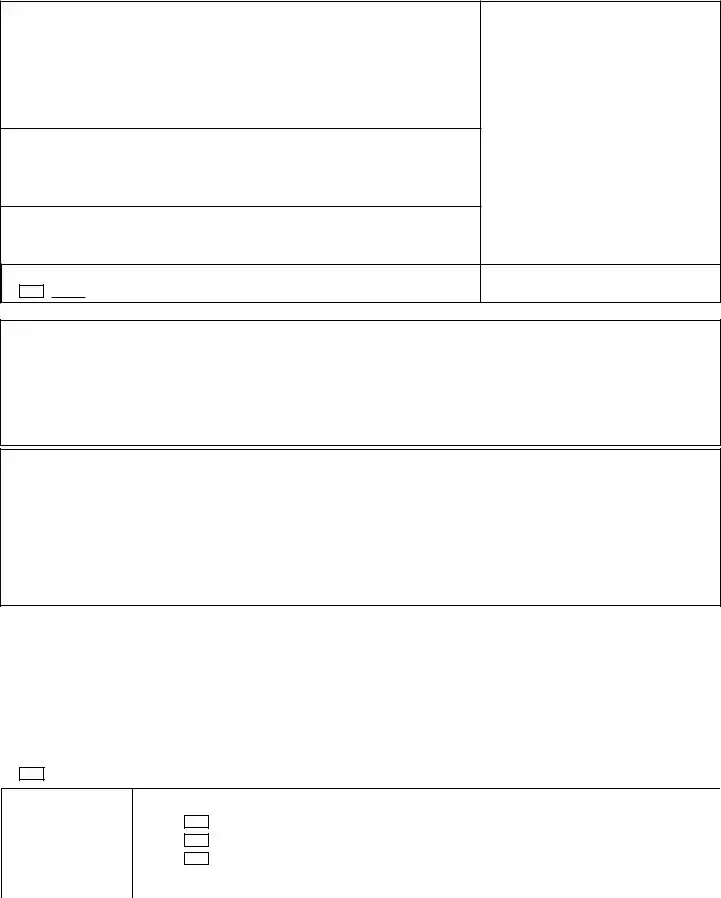
GOVERNMENTAL AGENCY (under Fam. Code, §§ 17400 and 17406):
TELEPHONE NO.: FAX NO.:
E-MAIL ADDRESS:
ATTORNEY FOR (Name):
SUPERIOR COURT OF CALIFORNIA, COUNTY OF
STREET ADDRESS:
MAILING ADDRESS:
CITY AND ZIP CODE:
BRANCH NAME:
PETITIONER/PLAINTIFF:
RESPONDENT/DEFENDANT:
OTHER PARENT:
SUMMONS AND
AMENDED COMPLAINT
SUPPLEMENTAL COMPLAINT
COMPLAINT
REGARDING PARENTAL OBLIGATIONS
FOR COURT USE ONLY
CASE NUMBER:
FL-600
TO (name):
The local child support agency has filed this lawsuit against you. This lawsuit says you and the other parent are the parents of each
child named in this Complaint and that the obligor may be required to pay child support. The attached proposed Judgment Regarding
Parental Obligations (form FL-630) names you and the other parent as parents of each child listed below and, if there is an amount
stated in item 6 of the proposed Judgment, orders the obligor to pay support for these children. If you disagree with the proposed
Judgment, you must file the attached Answer ( ) form with the court clerk within 30 days of the date that you were
served with this Complaint. If you do not file an Answer, the proposed Judgment will become a final determination that you
are the parent and responsible for support. If you are required to pay child support, the payments may be taken from your
pay or other property without further notice. See the attached statement of your rights and responsibilities for more information.
La agencia local que vigila la manutención de menores ha registrado la presente demanda contra usted. Esta demanda dice que
usted y el otro padre son los padres de los hijos nombrados aqui y que el obligado deberá pagar manutención de menores. El
propuesto FALLO RESPECTO A OBLIGACIONES PATERNAS (Gubernamental) (formulario FL-630) los nombra a usted y al otro
padre como padres de cada uno de los hijos que figuran a continuación y, si se incluye una suma en el inciso 6, obliga al obligado a
pagar manutención por estos hijos. Si no está de acuerdo con el FALLO propuesto, deberá registrar el formulario de RESPUESTA
que se adjunta, presentándolo al actuario del tribunal dentro de 30 días después de haber recibido notificación de esta DEMANDA. Si
usted no registra una RESPUESTA, el FALLO propuesto tomará efecto con una determinación final de paternidad. Si se le está
exigiendo que pague manutención de menores, los pagos podrán ser deducidos de su salario o de otras pertenencias suyas sin
necesidad de mandarle ninguna otra notificación. Para mayor información, vea la declaración anexa respecto a los derechos y
responsabilidades que tiene.
1. The local child support agency is asking the court to issue judgment or orders for the following children:
Name
Date of
Birth
Establish
Parentage
Beginning
Date
Additional children are listed on a page (labeled Attachment 1) attached to this Complaint.
Establish
Support
Modify
Order
Notice to person served: You are served
on behalf of a minor child or children.
as an individual defendant/respondent.1.
2.
other (specify):
3.
Date:
Clerk, by , Deputy
form FL-610
FL-600 [Rev. January 1, 2020] Page 2 of 6
SUMMONS AND COMPLAINT OR SUPPLEMENTAL
COMPLAINT REGARDING PARENTAL OBLIGATIONS
(Governmental)
FL-600
CASE NUMBER:
PETITIONER/PLAINTIFF:
RESPONDENT/DEFENDANT:
OTHER PARENT:
The parents of the children named in item 1 are
is named as the parent of the children listed in item 1 in the declaration
a.
b.
of parentage on file with the
(specify name):
(specify name):
local child support agency or the
(Specify name):
county welfare department.
The obligor (the parent asked to pay support) is (specify):
2.
c.
Complete the following section if support is being requested but the "Establish Parentage" box has not been checked in item 1.
Please specify each child. You do not need to complete this section if a final judgment of parentage was previously entered under
this case number.
3.
A voluntary declaration of parentage or paternity that has not been canceled and was signed by both parents has been
forwarded to the California Department of Child Support Services for the following children (specify):
a.
b.
for the following children (specify):
Judgment of parentage has previously been entered in (specify county and state)
c.
The following are named as children of the marriage in a family law judgment in (specify county and state)
for the following children (specify):in case number (specify)
in case number (specify)
Other (specify):
d.
(Names of children):
additional monthly child support for the following reasons (specify):
FL-600 [Rev. January 1, 2020] Page 3 of 6
SUMMONS AND COMPLAINT OR SUPPLEMENTAL
COMPLAINT REGARDING PARENTAL OBLIGATIONS
(Governmental)
FL-600
CASE NUMBER:
PETITIONER/PLAINTIFF:
RESPONDENT/DEFENDANT:
OTHER PARENT:
4. a. Some or all of the children named in item 1 are receiving or have received public assistance from the following counties
(specify):
Other
per month.
(specify):
5.
b.
Date public assistance first paid:
THE LOCAL CHILD SUPPORT AGENCY REQUESTS THAT:
The court determine that the persons listed in item 2 are the parents of the children listed in item 1 for whom the "Establish
Parentage" boxes have been checked.
7.
Based on the California support guideline, the court order the obligor to pay:
6.
a.
The court issue appropriate orders for sharing the costs of child care and/or uninsured health care (specify):
e.
Other (specify):
d.
b.
c.
$
$
current monthly child support based on the obligor's known income of $
per month, and, if applicable, the obligee's known income of $
current monthly child support based on the obligor's presumed income, as provided by law.
The court order the obligor to provide health insurance for each child named in item 1, if available at no or reasonable cost; to
keep the local child support agency informed of the availability of the coverage; to complete and return, within 20 days of the
local child support agency's request, a health insurance form and that a National Medical Support Notice be issued. If health
insurance is not available at no or reasonable cost, that the court orders obligor to provide coverage when it becomes
available. NOTICE: The obligor's employer or other person providing health insurance will be ordered to enroll the children in
an appropriate health insurance plan if the obligor is found to be the parent.
8.
9.
The court order the parents to advise the local child support agency within 10 days in writing of any change in residence or
employment.
10.
A wage and earnings assignment be issued.
The court order the obligor to make all payments to (specify):
11.
12.
13.
The other parent be added as a party to this case.
(ATTORNEY FOR LOCAL CHILD SUPPORT AGENCY)
Date:
(TYPE OR PRINT NAME)
NOTICE
Child support: The court will make orders for the support of the children upon request and submission of financial forms by the
requesting party.
If you want legal advice, contact a lawyer immediately.
A Statement of Rights and Responsibilities is attached to this document. Please read it carefully.
Number of pages attached:
$
FL-600 [Rev. January 1, 2020] Page 4 of 6
SUMMONS AND COMPLAINT OR SUPPLEMENTAL
COMPLAINT REGARDING PARENTAL OBLIGATIONS
(Governmental)
FL-600
CASE NUMBER:
PETITIONER/PLAINTIFF:
RESPONDENT/DEFENDANT:
OTHER PARENT:
Hearing by Court Commissioner
This case may be referred to a court commissioner for hearing. By law, court commissioners do not have the authority to issue final
orders and judgments in contested cases unless they are acting as temporary judges. The court commissioner in your case will act as
a temporary judge unless, before the hearing, you or any other party objects to the commissioner acting as a temporary judge. You
can object to the commissioner acting as a temporary judge in one of two ways: (1) by telling the commissioner in court, at the start of
your hearing, that you object or (2) by delivering a written objection to the court clerk. You must object before the hearing in your case
begins. You do not have to give a reason for your objection. The court commissioner may still hear your case to make findings and a
recommended order. If you do not like the recommended order, you must object to it within 10 court days in writing (use Notice of
Objection (form FL-666); otherwise, the recommended order will become a final order of the court). If you object to the recommended
order, a judge will make a temporary order and set a new hearing.
Family Law Facilitator
Each superior court has a family law facilitator's office to provide education, information, and assistance to parents who have child
support issues. The basic duties of the family law facilitator include:
Distributing court forms;
Preparing child support guideline calculations; and
Providing referrals to the local child support agency, family court services, and other community agencies.
The family law facilitator is a neutral person whose services are available to any person who is NOT represented by an attorney. Both
parties in the same case may receive assistance from the family law facilitator. There is no attorney-client privilege between the family
law facilitator and any person assisted by the family law facilitator, and matters discussed with the family law facilitator are not
confidential. No person can be represented by the family law facilitator.
STATEMENT OF RIGHTS AND RESPONSIBILITIES
Providing assistance in completing forms;
Providing educational materials;
AVISO para el acusado: El FALLO propuesto entrará en efecto contra usted, a menos que dentro de 30 días
desde cuando recibió notificación de la DEMANDA, usted registre por escrito una RESPUESTA A DEMANDA o
DEMANDA SUPLEMENTAL RESPECTO A OBLIGACIONES PATERNAS (Gubernamental) (formulario 610). El
FALLO propuesto entrará en efecto contra usted, tenga o no tenga usted un abogado. Si le dieron notificación
con un formulario que especifica una fecha de audiencia, usted tiene que presentarse al tribunal en esa fecha.
Si no asiste a la audiencia, una orden judicial podrá emitirse sin considerar su punto de vista.
NOTICE to the defendant/respondent: The proposed Judgment Regarding Parental Obligations will be entered
against you unless you file your written Answer to Complaint or Supplemental Complaint Regarding Parental
Obligations ( ) with the court clerk within 30 days of the date you were served with the Complaint.
The proposed Judgment will be entered whether or not you have a lawyer. If you were served with a form telling
you the date of a court hearing, you should go to court on that date. An order may be entered without your
input if you do not attend the hearing.
form FL-610
FL-600 [Rev. January 1, 2020] Page 5 of 6
SUMMONS AND COMPLAINT OR SUPPLEMENTAL
COMPLAINT REGARDING PARENTAL OBLIGATIONS
(Governmental)
FL-600
PETITIONER/PLAINTIFF:
RESPONDENT/DEFENDANT:
OTHER PARENT:
NOTICE TO BOTH PARENTS
The local child support agency has sued both of you to
determine whether you are the parents of the children listed and
if one or both of you should be ordered to pay child support. The
local child support agency does not represent any individual in
this lawsuit, including either parent or the children. Carefully read
this statement and the other papers that you received.
You have the right to be represented by a lawyer. If you
dispute that you are the parent of the children listed in the
Complaint and you do not have enough money for a lawyer,
you may ask the court to appoint a lawyer to represent you on
the issue of parentage.
Other information about court-appointed lawyers
(specify):
A blank Answer to Complaint or Supplemental Complaint
Regarding Parental Obligations ( ) is included in
the papers that were served on you. If you did not receive an
Answer form or if you would like another copy, you may get
one from the local child support agency, the court clerk's
office, or the family law facilitator. The family law facilitator
can assist you in filling out the Answer form. You must file
your Answer form with the court clerk within 30 days of
the date you were served with the Complaint whether or
not you obtain an attorney.
Settling Out of Court
You may contact the local child support agency to try to work
out a settlement agreement. However, you must still file an
Answer form within 30 days. If you and the local child
support agency can reach an agreement regarding the
requests made in the Complaint, you may sign a settlement
agreement called a stipulation. By signing a stipulation, you
are agreeing to give up your rights explained in this
statement, you are agreeing that you are the parent of the
children listed in the Complaint, and you are agreeing to
obey all of the terms of the stipulation. The stipulation will
become a court order that you must obey.
Going to Court
If you file your Answer form, you have the right to a court
hearing, to subpoena witnesses, to ask questions of any
witness against you, and to present evidence on your behalf.
Genetic testing may be performed if the defendant questions
parentage of the children listed in the Complaint. If the
defendant refuses to cooperate in the genetic testing
process, the issue of parentage may be resolved against the
defendant. The costs of the genetic testing may be charged
to one of you.
Earnings Assignment
All orders for support must contain an earnings assignment. If
you are obligated to pay support, this assignment will require
your employer or other payor to deduct support payments
from your salary or earnings and send the payments to the
local child support agency. Your employer may also be
required to enroll your children in a health insurance plan and
deduct the cost from your salary or earnings.
Any amounts you owe may be collected from your property,
whether or not you are current in your payments toward past
due support. Collection may be made by taking money owed
to you by the state or federal government (such as tax refunds,
unemployment and disability benefits, and lottery winnings),
by taking property you own, by placing a lien on your property,
or by any other lawful means. You may be fined or imprisoned
if you fail to pay support as ordered.
If the local child support agency does not know how much
money the obligor (parent asked to pay support) earns, the
obligor is presumed to earn enough money to pay the amounts
stated in item 6b of the proposed Judgment Regarding
Parental Obligations (form FL-630).
CASE NUMBER:
form FL-610
FL-600 [Rev. January 1, 2020] Page 6 of 6
SUMMONS AND COMPLAINT OR SUPPLEMENTAL
COMPLAINT REGARDING PARENTAL OBLIGATIONS
(Governmental)
FL-600
CASE NUMBER:
PETITIONER/PLAINTIFF:
RESPONDENT/DEFENDANT:
OTHER PARENT:
Other Important Information
Both parents should tell the local child support agency
everything they know about the other parent's earnings and
assets.
The defendant is always a party to this action. If the other
parent has requested or is receiving services from the local
child support agency, that parent will become a party to the
lawsuit filed by the local child support agency after the initial
support order or medical support order is entered by the court.
After the other parent has become a party to the lawsuit, either
parent may then ask the court to decide issues concerning
support, custody, visitation, and restraining orders (domestic
violence). No other issues may be raised in this lawsuit. Either
parent may go to court to modify the court order. The local child
support agency cannot bring proceedings to establish or modify
custody, visitation, or restraining orders.
After the other parent has become a party to the lawsuit, either
parent may go to court to enforce the existing order against
the other, but must first notify the local child support agency as
required by law. The local child support agency is allowed 30
days to determine whether or not a parent will be permitted to
proceed with the enforcement action against the other parent.
The local child support agency may deny a parent permission
to proceed if it is currently taking enforcement action or if the
action by a parent would interfere with an investigation. If the
local child support agency does not respond to the notice by
the parent seeking enforcement within 30 days or if the local
child support agency notifies the parent seeking enforcement
that the enforcement action can proceed, the parent may then
file the enforcement action as long as all support is paid
through the local child support agency.
If the custodial person receives public assistance, the local
child support agency may agree to settle any parentage or
support issue in this lawsuit without providing advance notice
to the custodial person. A child support agency may not settle
any child support issue without the consent of any parent who
is an applicant for child support services and who does not
receive public assistance.
The local child support agency is required, under section
466(a)(13) of the Social Security Act, to place in the records
pertaining to child support the social security number of any
individual who is subject to a divorce decree, support order, or
parentage determination or acknowledgment. This information
is mandatory and will be kept on file at the local child support
agency.
Your family law facilitator is available to help you with any
questions you may have about the above information.
You can reach your family law facilitator by telephone at:
or in person at:
For more information on finding a lawyer or family law
facilitator, see the California Courts Online Self-Help
Center at
www.courts.ca.gov/selfhelp
.
Print this form
Save this form
Clear this form
For your protection and privacy, please press the Clear
This Form button after you have printed the form.

Form Information

Fact Name Description
Governing Law The FL-600 form is governed by California Family Code sections 17400 and 17406.
Purpose This form is used by the local child support agency to file a lawsuit regarding parental obligations.
Parties Involved The form includes information about the petitioner, respondent, and other parents involved in the case.
Response Time Defendants must file an Answer within 30 days of being served with the Complaint.
Judgment Consequences If no Answer is filed, the proposed Judgment becomes final, establishing paternity and support obligations.
Child Support Payments Payments may be deducted from the obligor's wages or property without further notice.
Legal Assistance Parties have the right to seek legal representation and assistance from family law facilitators.

Detailed Guide for Filling Out California Fl 600

Filling out the California FL-600 form is an important step in addressing parental obligations. This form is used in cases involving child support and parental responsibilities. After completing the form, it must be filed with the court. Be mindful of deadlines, as timely submission is crucial for your case.

  1. Begin by entering the court information at the top of the form, including the name of the court, the street address, and the mailing address.
  2. Fill in your contact information, including your telephone number, fax number, and email address, if applicable.
  3. Identify the parties involved in the case by entering the names of the petitioner/plaintiff, respondent/defendant, and other parent.
  4. Provide the case number assigned to your case.
  5. In the section regarding children, list the names and birth dates of each child involved. Include any additional children on an attached page labeled Attachment 1.
  6. Indicate whether the lawsuit is being served to you as an individual, on behalf of a minor, or in another capacity.
  7. Detail the parentage information by specifying the names of the parents of the children listed.
  8. Complete any necessary sections regarding public assistance received by the children, if applicable.
  9. Fill out the section requesting the court to determine parental obligations, including the amount of child support being requested.
  10. Sign and date the form at the bottom, ensuring that you include your name and title, if applicable.
  11. Attach any additional pages as necessary and indicate the number of pages attached.

Obtain Answers on California Fl 600

  1. What is the purpose of the California FL-600 form?

    The California FL-600 form is used by local child support agencies to initiate legal proceedings regarding parental obligations, including the establishment of paternity and the determination of child support payments. This form is part of the legal process to ensure that children receive the financial support they need from their parents.

  2. Who files the FL-600 form?

    The local child support agency typically files the FL-600 form on behalf of the state. This agency represents the interests of the children involved, rather than any individual parent. The agency seeks a court order to establish parentage and enforce child support obligations.

  3. What happens after the FL-600 form is filed?

    Once the FL-600 form is filed, the court will review the case. The parents will be served with the Complaint, which includes information about their rights and responsibilities. If one parent disagrees with the proposed judgment, they must respond by filing an Answer (form FL-610) within 30 days.

  4. What if I disagree with the proposed judgment?

    If you disagree with the proposed judgment regarding parental obligations, it is crucial to file the Answer (form FL-610) with the court clerk within 30 days of being served. Failing to do so may result in the proposed judgment becoming final, which means you will be legally recognized as the parent and required to pay child support.

  5. Can I settle this matter out of court?

    Yes, you can attempt to reach a settlement with the local child support agency. However, you must still file your Answer within the 30-day timeframe. If an agreement is reached, it can be formalized in a stipulation, which will become a court order that you must follow.

  6. What if I cannot afford a lawyer?

    If you cannot afford a lawyer, you can ask the court to appoint one for you, especially if you dispute parentage. Additionally, the family law facilitator at the court can provide assistance in understanding the process and completing forms.

  7. What are the consequences of not responding to the FL-600?

    If you do not respond to the FL-600 by filing an Answer, the proposed judgment will be entered against you. This means you may be legally recognized as the parent and required to pay child support without having the opportunity to contest the claims made in the Complaint.

  8. How is child support calculated?

    Child support is calculated based on California's support guidelines, which take into account the income of both parents and the needs of the child. The court will issue an order for the obligor (the parent required to pay support) to pay a specific amount based on their income and other relevant factors.

  9. What happens if I fail to pay child support?

    If you fail to pay child support as ordered, various enforcement actions can occur. These may include wage garnishment, tax refund interception, and even legal penalties such as fines or imprisonment. It is essential to stay compliant with any support orders to avoid these consequences.

Common mistakes

Filling out the California FL-600 form can be challenging, and many individuals make mistakes that can have significant consequences. One common error is failing to provide complete and accurate information about the children involved. It’s crucial to list all children for whom support is being requested. Omitting a child can lead to delays and complications in the legal process.

Another frequent mistake is not checking the appropriate boxes regarding the establishment of parentage. If the "Establish Parentage" box is not checked when it should be, it can lead to confusion about parental rights and obligations. This oversight may result in unnecessary legal disputes and additional court hearings.

People often neglect to attach necessary documents. If there are additional children or relevant information that needs to be included, ensure that all attachments are properly labeled and submitted with the form. Missing attachments can cause the court to reject the filing or delay proceedings.

Inaccurate financial information is another critical mistake. When indicating income or child support amounts, be precise. Providing incorrect figures can affect the court's decision regarding support obligations and may lead to enforcement actions against you.

Many individuals also fail to file the form within the required timeframe. The FL-600 form must be submitted within 30 days of being served. Missing this deadline can result in a default judgment against you, which means you may lose your right to contest the claims made in the complaint.

Lastly, some people overlook the importance of seeking legal advice. Navigating child support issues can be complex. Consulting with a legal professional can help clarify your rights and responsibilities, ensuring that you fill out the FL-600 form correctly and understand the implications of the information you provide.

Documents used along the form

The California FL-600 form is a crucial document in family law cases concerning child support and parental obligations. It is often accompanied by several other forms that help facilitate the legal process. Below is a list of common forms and documents that are frequently used alongside the FL-600.

  • FL-610: Answer to Complaint - This form allows the respondent to formally respond to the allegations made in the FL-600. It must be filed within 30 days of being served with the complaint.
  • FL-630: Judgment Regarding Parental Obligations - This proposed judgment outlines the court's orders regarding child support and parental responsibilities. It is attached to the FL-600 and must be agreed upon or contested by the parties involved.
  • FL-666: Notice of Objection - If a party disagrees with a recommended order made by a court commissioner, this form is used to formally object to that order within a specified timeframe.
  • FL-300: Request for Order - This document is used to request specific court orders, such as modifications to child support or custody arrangements, and can be filed at any time during the proceedings.
  • FL-150: Income and Expense Declaration - This form provides the court with a detailed account of a party's financial situation, including income, expenses, and assets, which is essential for determining child support obligations.
  • FL-155: Financial Statement - Similar to the FL-150, this document is a simplified version used by parties who may not have complex financial situations but still need to disclose their financial information to the court.
  • FL-570: Declaration for Default or Uncontested Dissolution - This form is used when one party is seeking a default judgment in a case where the other party has not responded, often relevant in child support cases.
  • FL-680: Stipulation to Establish or Modify Child Support - This document allows both parties to agree on child support terms outside of court, which can then be submitted for the court's approval.

Understanding these accompanying forms can significantly streamline the process of navigating child support and parental obligations in California. Each document plays a vital role in ensuring that all parties involved are heard and that the best interests of the children are prioritized.

Similar forms

The California FL-600 form is an important document related to child support and parental obligations. It shares similarities with several other legal documents that also address family law matters. Here are four documents that are similar to the FL-600 form:

  • FL-610: Answer to Complaint or Supplemental Complaint Regarding Parental Obligations - This form is used by a respondent to formally respond to the allegations made in the FL-600. It allows the individual to dispute claims regarding parentage or child support obligations. Filing this answer is crucial to ensure that the respondent's voice is heard in the legal proceedings.
  • FL-630: Judgment Regarding Parental Obligations - This document outlines the court's decision on child support and parental responsibilities. It is often proposed alongside the FL-600 and becomes a binding order if not contested. The FL-630 specifies the amount of support to be paid and other obligations, making it a key document in child support cases.
  • FL-684: Income and Expense Declaration - This form provides a detailed overview of a party's financial situation, including income, expenses, and assets. It is often required in child support cases to determine the appropriate amount of support based on the financial capabilities of the parents. The information in this declaration helps the court make informed decisions.
  • FL-670: Child Support Information and Resources - This document offers guidance on child support laws and processes. It serves as an educational tool for parents involved in child support cases, helping them understand their rights and responsibilities. Like the FL-600, it aims to provide clarity in navigating family law matters.

Dos and Don'ts

When filling out the California FL-600 form, there are important dos and don'ts to keep in mind. Here’s a helpful list:

  • Do read the entire form carefully before starting.
  • Do fill in all required fields completely and accurately.
  • Do keep a copy of the completed form for your records.
  • Do file your form with the court clerk within the specified time frame.
  • Do seek assistance from a family law facilitator if you need help.
  • Don't leave any sections blank unless instructed to do so.
  • Don't provide false information or misrepresent any details.
  • Don't forget to sign and date the form before submitting it.
  • Don't ignore deadlines; they are crucial for your case.
  • Don't hesitate to consult a lawyer if you have legal questions.

Misconceptions

Misconceptions about the California FL 600 form can lead to confusion and potential legal issues. Here are ten common misunderstandings and clarifications regarding this important document:

  1. Only one parent is responsible for child support. Many believe that only the non-custodial parent pays child support. In reality, both parents may be required to contribute financially, depending on their circumstances.
  2. The FL 600 form is only for parents who are not married. This form can be used by any parents, regardless of their marital status, to establish or modify child support obligations.
  3. Filing the FL 600 form means you automatically have to pay child support. Filing the form initiates a legal process. The court will review the case before determining any support obligations.
  4. If you ignore the FL 600 form, it will go away. Ignoring this form can lead to a default judgment against you, meaning you could be legally obligated to pay support without having a say in the matter.
  5. You need a lawyer to file the FL 600 form. While having legal representation can be beneficial, individuals can file the form themselves and seek help from family law facilitators.
  6. The local child support agency represents the parents. The agency acts on behalf of the state to ensure child support is established and collected, not to represent individual parents.
  7. Child support is only about financial support. Child support can also include provisions for health insurance and child care costs, not just monthly payments.
  8. Once you file the FL 600 form, you cannot negotiate. Parents can negotiate terms and reach agreements even after filing, but they must still comply with court procedures.
  9. Filing the FL 600 form is a quick process. The legal process can take time, and parents should be prepared for hearings and potential delays.
  10. Child support payments are optional. Once established by the court, child support payments are legally binding and must be paid as ordered.

Understanding these misconceptions can help parents navigate the complexities of child support in California more effectively.

Key takeaways

  • The California FL-600 form is used by the local child support agency to initiate a lawsuit regarding parental obligations, such as child support payments. It is essential for both parents to understand that this form signifies legal action and requires a timely response.

  • Respondents must file an Answer (form FL-610) within 30 days of being served with the FL-600. Failure to respond can result in a default judgment, meaning the proposed orders will be finalized without the respondent's input.

  • Child support payments can be automatically deducted from the obligor's wages or property, emphasizing the importance of addressing the complaint promptly. Understanding this can help avoid unexpected financial consequences.

  • Legal representation is advisable, especially if there is a dispute regarding parentage. The court can appoint a lawyer for those who cannot afford one, ensuring that all parties have access to legal advice and support during the process.