Homepage Blank California Fl 301 Form
Outline

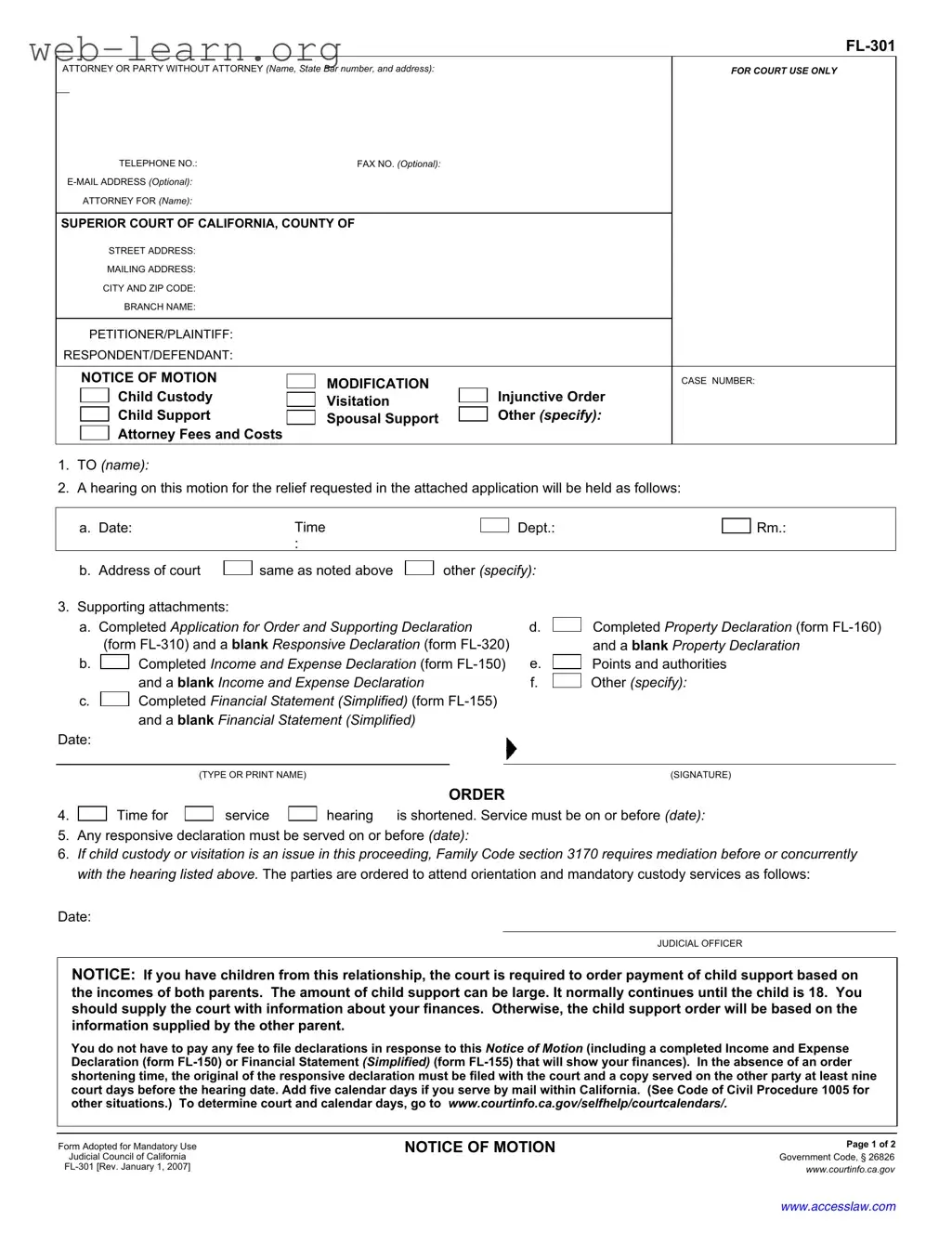
The California FL-301 form is an important document used in family law cases, particularly for motions that seek various types of relief such as child custody, visitation, and support. This form is typically filed by a petitioner or plaintiff in the Superior Court of California. It includes essential details like the names and contact information of the parties involved, the case number, and the specific type of motion being requested. A hearing date and time are also provided, along with instructions for serving the motion to the other party. The form requires supporting attachments, such as completed declarations and financial statements, to provide the court with a clear understanding of the case. Additionally, it outlines the requirements for mediation if child custody or visitation is at issue, emphasizing the importance of cooperation between parents. Understanding the components of the FL-301 form is crucial for anyone navigating the family court system in California.
Sample - California Fl 301 Form

FL-301
NOTICE OF MOTION
MOTION
MODIFICATION
Visitation
Injunctive OrderChild Custody
Child Support
Spousal Support
Other (specify):
Attorney Fees and Costs
1. TO (name):
2. A hearing on this motion for the relief requested in the attached application will be held as follows:
Time
:
Rm.:Dept.:
a. Date:
b. Address of court other (specify):
same as noted above
3. Supporting attachments:
Completed Property Declaration (form FL-160)
and a blank Property Declaration
a. Completed Application for Order and Supporting Declaration
d.
(form FL-310) and a blank Responsive Declaration (form FL-320)
Completed Income and Expense Declaration (form FL-150)
b. e.
f.
and a blank Income and Expense Declaration
Completed Financial Statement (Simplified) (form FL-155)
and a blank Financial Statement (Simplified)
c.
Date:
(TYPE OR PRINT NAME) (SIGNATURE)
ORDER
4. Time for hearing is shortened. Service must be on or before (date):
service
5. Any responsive declaration must be served on or before (date):
6. If child custody or visitation is an issue in this proceeding, Family Code section 3170 requires mediation before or concurrently
with the hearing listed above. The parties are ordered to attend orientation and mandatory custody services as follows:
Date:
JUDICIAL OFFICER
Page 1 of 2
Form Adopted for Mandatory Use
Judicial Council of California
FL-301 [Rev. January 1, 2007]
Government Code, § 26826
NOTICE OF MOTION
Points and authorities
Other (specify):
www.courtinfo.ca.gov
NOTICE: If you have children from this relationship, the court is required to order payment of child support based on
the incomes of both parents. The amount of child support can be large. It normally continues until the child is 18. You
should supply the court with information about your finances. Otherwise, the child support order will be based on the
information supplied by the other parent.
ATTORNEY OR PARTY WITHOUT ATTORNEY (Name, State Bar number, and address):
SUPERIOR COURT OF CALIFORNIA, COUNTY OF
TELEPHONE NO.:
E-MAIL ADDRESS (Optional):
ATTORNEY FOR (Name):
STREET ADDRESS:
MAILING ADDRESS:
CITY AND ZIP CODE:
BRANCH NAME:
PETITIONER/PLAINTIFF:
RESPONDENT/DEFENDANT:
FAX NO. (Optional):
FOR COURT USE ONLY
CASE NUMBER:
You do not have to pay any fee to file declarations in response to this Notice of Motion (including a completed Income and Expense
Declaration (form FL-150) or Financial Statement (Simplified) (form FL-155) that will show your finances). In the absence of an order
shortening time, the original of the responsive declaration must be filed with the court and a copy served on the other party at least nine
court days before the hearing date. Add five calendar days if you serve by mail within California. (See Code of Civil Procedure 1005 for
other situations.) To determine court and calendar days, go to www.courtinfo.ca.gov/selfhelp/courtcalendars/.
www.ac c es s law.c o m
PETITIONER/PLAINTIFF:
CASE NUMBER:
RESPONDENT/DEFENDANT:
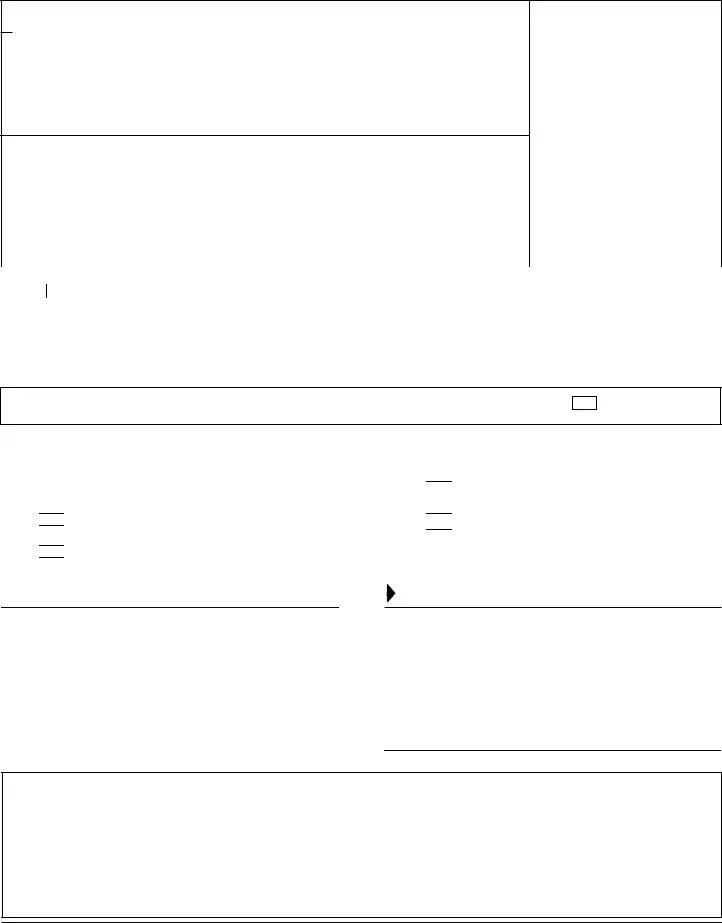
7. PROOF OF SERVICE BY MAIL
a. I am at least age 18, not a party to this action, and am a resident or employed in the county where the mailing took place. My
residence or business address is:
b. I served copies of the following documents by enclosing them in a sealed envelope with postage fully prepaid, depositing them
in the United States mail as follows:
Papers served:
(a) Notice of Motion and a completed Application for Order and Supporting Declaration (form FL-310) and a blank Responsive
Declaration (form FL-320)
(b)
Completed Property Declaration (form FL-160) and a blank Property Declaration
(c)
(d)
(e)
(f) Other (specify):
Manner of service:
(a) Date of deposit:
(b) Place of deposit (city and state):
c. I declare under penalty of perjury under the laws of the State of California that the foregoing is true and correct.
Date:
(TYPE OR PRINT NAME) (SIGNATURE OF DECLARANT)
FL-301 [Rev. January 1, 2007]
NOTICE OF MOTION
Page 2 of 2
Completed Income and Expense Declaration (form FL-150) and a blank Income and Expense Declaration
Completed Financial Statement (Simplified) (form FL-155) and a blank Financial Statement (Simplified)
Points and authorities
(c) Addressed as follows:
(1)
(2)
FL-301
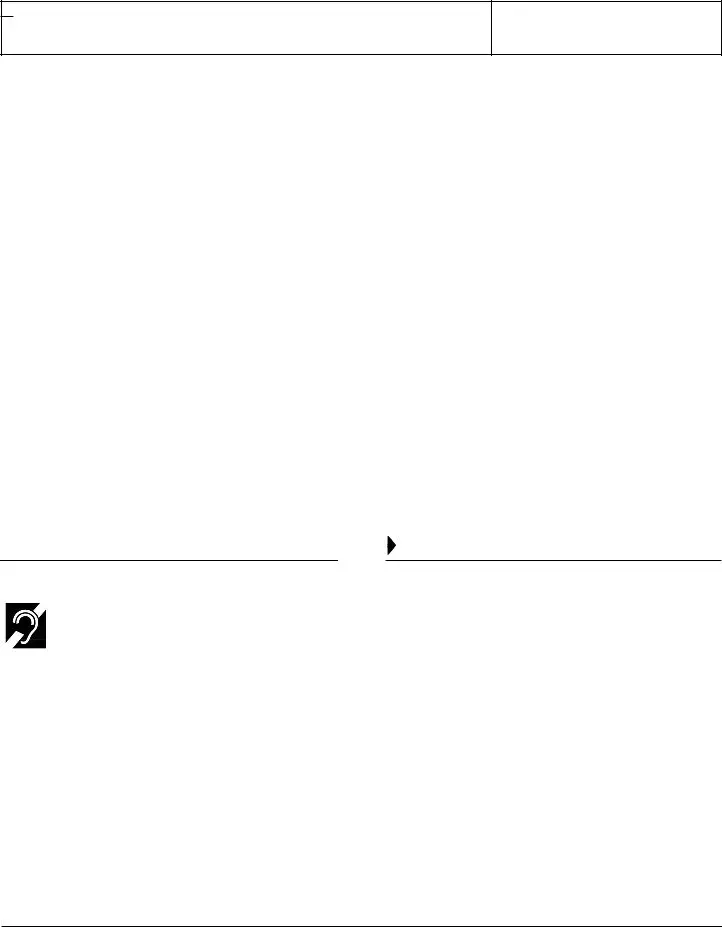
Requests for Accommodations
Assistive listening systems, computer-assisted real-time captioning, or sign language interpreter services are available if
you ask at least five days before the proceeding. Contact the clerk’s office or go to www.courtinfo.ca.gov/forms for Request
for Accommodations by Persons With Disabilities and Response (Form MC-410). (Civil Code, § 54.8.)

Form Information

Fact Name Description
Form Purpose The FL-301 form is used to file a Notice of Motion in California family law cases.
Governing Law This form is governed by the California Family Code and the California Code of Civil Procedure.
Mandatory Use The Judicial Council of California has adopted this form for mandatory use in family law proceedings.
Attachments Required Supporting documents such as the FL-310 and FL-150 must accompany the FL-301 form.
Service Requirements Parties must serve the motion and any responsive declarations at least nine court days before the hearing.
Mediation Requirement If child custody or visitation is involved, mediation is required under Family Code section 3170.
Child Support Information The court mandates the provision of financial information to determine child support obligations.
Proof of Service A proof of service by mail must be completed and filed to confirm proper notification of all parties.
Accommodations Requests for accommodations for disabilities must be made at least five days before the proceeding.

Detailed Guide for Filling Out California Fl 301

Filling out the California FL-301 form is an important step in your legal process. This form is used to notify the court and the other party about your motion. Follow these steps carefully to ensure you complete the form correctly.

  1. Fill in your information: At the top of the form, write your name, State Bar number (if applicable), and address. Include your telephone number, fax number (if you have one), and email address (optional).
  2. Identify your attorney: If you have an attorney, write their name in the section labeled "Attorney for (Name)." If you are representing yourself, leave this blank.
  3. Provide court details: Fill in the street address, mailing address, city, and ZIP code of the Superior Court where you are filing the motion. Include the branch name if applicable.
  4. List the parties: Clearly state the names of the petitioner/plaintiff and the respondent/defendant.
  5. Specify the motion: Indicate the type of motion you are filing, such as Child Custody, Child Support, or Spousal Support. If it’s something else, specify what it is.
  6. Fill in hearing details: Write the name of the person you are serving the motion to. Then, provide the date, time, department, and room number for the hearing. If the court address is different, specify that as well.
  7. Attach supporting documents: List all the documents you are attaching to support your motion. This may include forms FL-310, FL-150, FL-155, and FL-160, along with any other relevant documents.
  8. Service deadlines: If applicable, fill in the date by which service must be completed. Also, indicate the date by which any responsive declaration must be served.
  9. Mediation requirements: If child custody or visitation is involved, note the date for mediation orientation and mandatory custody services.
  10. Sign and date: At the bottom of the form, type or print your name and sign it. Make sure to include the date.
  11. Proof of service: Complete the proof of service section. This includes your age, address, and details about how you served the documents.

Once you have completed the FL-301 form, review it carefully to ensure all information is accurate. You will then need to file it with the court and serve copies to the other party involved in your case. Following these steps will help you navigate the process smoothly.

Obtain Answers on California Fl 301

  1. What is the purpose of the California FL 301 form?

    The California FL 301 form is a Notice of Motion used in family law cases. It notifies the court and the other party about a motion being filed, which can relate to various issues such as child custody, visitation, child support, spousal support, or attorney fees. This form is essential for initiating legal requests within family law proceedings.

  2. Who can file the FL 301 form?

    Any party involved in a family law case, whether represented by an attorney or acting as a self-represented litigant, can file the FL 301 form. It is important for the filing party to provide their name, address, and contact information on the form.

  3. What information is required on the FL 301 form?

    The form requires basic information such as:

    • Name and address of the filing party.
    • Details about the court, including the street address and branch name.
    • Names of the petitioner/plaintiff and respondent/defendant.
    • The specific relief being requested, such as modifications to custody or support.
    • Hearing date and time.
  4. How is the hearing date determined?

    The hearing date is specified in the form. The party filing the motion must provide a date and time for the hearing, ensuring it complies with court rules regarding notice periods. If time for service is shortened, the new deadline must also be indicated.

  5. What attachments are needed when filing the FL 301 form?

    When submitting the FL 301 form, several supporting documents must be attached, including:

    • Application for Order and Supporting Declaration (form FL-310).
    • Income and Expense Declaration (form FL-150).
    • Financial Statement (Simplified) (form FL-155).
    • Property Declaration (form FL-160).
    • Any additional points and authorities relevant to the motion.
  6. What if I need to respond to the motion?

    If you are responding to a motion, you must file a responsive declaration. This declaration should be served on the other party and filed with the court at least nine court days before the scheduled hearing. If you send it by mail, you must add five additional calendar days to this timeline.

  7. Are there any fees associated with filing the FL 301 form?

    There are no fees required to file declarations in response to the Notice of Motion. This includes the Income and Expense Declaration and the Financial Statement, which are crucial for showing your financial situation to the court.

  8. What happens if child custody or visitation is involved?

    If child custody or visitation is part of the motion, California law requires mediation. The parties must attend orientation and mandatory custody services before or at the same time as the hearing. This requirement aims to encourage amicable resolutions regarding child-related issues.

  9. How can I request accommodations for disabilities?

    If you need assistance due to a disability, you can request accommodations such as assistive listening systems or sign language interpreter services. It is important to make this request at least five days before the proceeding by contacting the clerk’s office or visiting the court's website.

Common mistakes

Filling out the California FL-301 form can be a challenging task. Many individuals make common mistakes that can lead to delays or complications in their legal proceedings. Understanding these pitfalls can help ensure a smoother process.

One frequent error is failing to provide complete contact information. Individuals often neglect to include their telephone number, email address, or mailing address. This information is crucial for the court and the other party to reach them regarding the case.

Another common mistake is incomplete or incorrect case numbers. It is essential to double-check that the case number matches the one assigned by the court. An incorrect case number can result in confusion and potential dismissal of the motion.

Many people also forget to attach necessary supporting documents. The FL-301 form requires various attachments, such as the completed Application for Order and Supporting Declaration (form FL-310) and the Income and Expense Declaration (form FL-150). Omitting these documents can delay the hearing.

Additionally, not adhering to service timelines is a common issue. Individuals must ensure that they serve the other party with all relevant documents by the specified deadlines. Failing to do so may result in the court not considering their motion.

Some individuals neglect to sign the form. A signature is required to validate the submission. Without it, the court may reject the form, causing unnecessary delays in the process.

Another mistake is not understanding the requirements for child custody or visitation. If these issues are involved, individuals must be aware that mediation is required before the hearing. Ignoring this requirement can lead to further complications.

People often make the mistake of not providing accurate financial information. It is vital to disclose complete and truthful financial details, as child support calculations are based on this information. Failure to do so may result in unfavorable support orders.

Some applicants also overlook the importance of proof of service. The form requires individuals to declare that they have served the necessary documents to the other party. Not providing this proof can lead to challenges in the case.

Another error involves failing to check for additional requirements specific to their local court. Each court may have unique rules or forms that need to be included. Ignoring these can result in the form being rejected.

Finally, individuals sometimes submit the form without reviewing it thoroughly. A careful review can catch mistakes or omissions that could otherwise hinder the legal process. Taking the time to double-check can save significant time and stress.

Documents used along the form

The California FL-301 form is a critical document used in family law cases, particularly for filing motions related to child custody, support, and other family matters. When preparing to file this form, several additional documents may be necessary to support your case. Below is a list of these forms, each serving a specific purpose in the legal process.

  • Application for Order and Supporting Declaration (FL-310): This form is used to request a specific court order and must be accompanied by a declaration that outlines the reasons for the request. It provides the court with essential information to consider when making its decision.
  • Responsive Declaration (FL-320): This document allows the other party to respond to the motion filed using FL-301. It is crucial for ensuring that both parties have the opportunity to present their arguments before the court.
  • Income and Expense Declaration (FL-150): This form details the financial situation of the party filing it. It includes information about income, expenses, and other financial obligations, which is vital for determining issues such as child support and spousal support.
  • Financial Statement (Simplified) (FL-155): A simpler version of the Income and Expense Declaration, this form is typically used when the financial situation is straightforward. It allows the court to assess financial needs without excessive detail.
  • Property Declaration (FL-160): This form is used to disclose property ownership and other assets. It helps the court understand the financial landscape of both parties, which is essential for equitable distribution of assets.
  • Points and Authorities: This document contains legal arguments and citations that support the motion being filed. It is used to persuade the court by referencing relevant laws and precedents.
  • Proof of Service: This form verifies that all parties involved have received the necessary documents related to the motion. Proper service is crucial for ensuring that the legal process is followed and that all parties are informed.

Each of these documents plays a vital role in the family law process, ensuring that the court has all the necessary information to make informed decisions. Careful preparation and submission of these forms can significantly impact the outcome of your case.

Similar forms

The California FL-301 form is a vital document used in family law cases, particularly for motions related to child custody, support, and other family-related issues. It shares similarities with several other forms used in California family law proceedings. Here are six documents that are similar to the FL-301 form, along with a brief explanation of each:

  • FL-310: Application for Order and Supporting Declaration - This form is often submitted alongside the FL-301. It provides the details of the request being made to the court, including the reasons for the motion and supporting evidence.
  • FL-320: Responsive Declaration to Request for Order - This form allows the other party to respond to the motion filed with the FL-301. It provides a way for the respondent to present their side of the case and any objections they may have.
  • FL-150: Income and Expense Declaration - This document is crucial for cases involving child support or spousal support. It details the financial situation of the party submitting it, helping the court assess the appropriate amount of support.
  • FL-155: Financial Statement (Simplified) - Similar to the FL-150, this form provides a simplified overview of a party's finances. It is often used when the financial situation is straightforward, making it easier for the court to review.
  • FL-160: Property Declaration - This form outlines the property owned by the parties involved in the case. It is important for determining asset division during divorce or separation proceedings.
  • MC-410: Request for Accommodations by Persons With Disabilities - While not directly related to motions, this form ensures that individuals with disabilities receive necessary accommodations during court proceedings, similar to the supportive nature of the FL-301 in family law contexts.

Dos and Don'ts

When filling out the California FL-301 form, it’s important to follow certain guidelines to ensure accuracy and compliance. Here are some key do's and don'ts:

  • Do fill out all required sections completely to avoid delays.
  • Do provide accurate contact information, including your address and phone number.
  • Do include all necessary supporting documents, such as the Income and Expense Declaration.
  • Do keep a copy of the completed form for your records.
  • Don't leave any fields blank unless they are optional.
  • Don't forget to sign the form before submitting it.
  • Don't submit the form late; be mindful of deadlines for filing and service.
  • Don't ignore the requirement for mediation if child custody is involved.

Following these guidelines will help ensure a smoother process when dealing with the court system.

Misconceptions

Here are some common misconceptions about the California FL-301 form:

  • The FL-301 form is only for attorneys. Many believe that only attorneys can use this form. In fact, it can be filed by any party involved in a case, whether they have legal representation or not.
  • You must pay a fee to file the FL-301. Some people think that a fee is required to file this form. However, there is no fee for filing declarations in response to the Notice of Motion.
  • Child support is automatically determined. Many assume that child support amounts are set by the court without input. In reality, both parents must provide financial information to ensure a fair determination.
  • The FL-301 form is only for child custody cases. While it is often used in custody matters, the FL-301 form can also address issues like spousal support and attorney fees.
  • You can submit the FL-301 form without any supporting documents. Some believe they can file the FL-301 alone. However, it requires several attachments, including income and expense declarations.
  • All hearings related to the FL-301 are in person. Many think that all motions must be heard in person. Some hearings can be conducted via telephone or video, depending on the court’s rules.
  • You can serve documents at any time before the hearing. Some individuals think they can serve documents whenever they want. In fact, there are strict deadlines for service that must be followed to ensure the hearing proceeds smoothly.

Key takeaways

Filling out and utilizing the California FL-301 form requires careful attention to detail. Here are ten key takeaways to guide you through the process:

  • Understand the Purpose: The FL-301 form is used to notify the court and other parties about a motion you are filing, which may include requests for child custody, support, or other modifications.
  • Correct Information: Ensure that all names, addresses, and case numbers are accurate. This information is crucial for proper processing by the court.
  • Hearing Details: Clearly indicate the date, time, and location of the hearing. This information must be correct to avoid delays.
  • Supporting Documents: Attach all necessary documents, including the completed Application for Order and Supporting Declaration (FL-310) and other financial forms.
  • Service of Documents: Be aware of the rules regarding serving documents to other parties. This includes the timelines and methods of service required by the court.
  • Responsive Declarations: If you receive a motion, you have the right to respond. Make sure to file any responsive declarations within the specified timeframe.
  • Mediation Requirement: If child custody or visitation is involved, remember that mediation is mandated before the hearing. Attend the required orientation and custody services.
  • Child Support Obligations: The court will calculate child support based on both parents' incomes. Provide accurate financial information to avoid unfavorable outcomes.
  • No Fees for Responses: You do not need to pay fees to file responses to the Notice of Motion, which can include financial declarations.
  • Request for Accommodations: If you need assistance during the proceedings, such as sign language interpretation, request these services at least five days in advance.

By following these takeaways, you can navigate the FL-301 form process more effectively and ensure that your motions are properly presented to the court.