Homepage Blank California Ch 115 Form
Outline

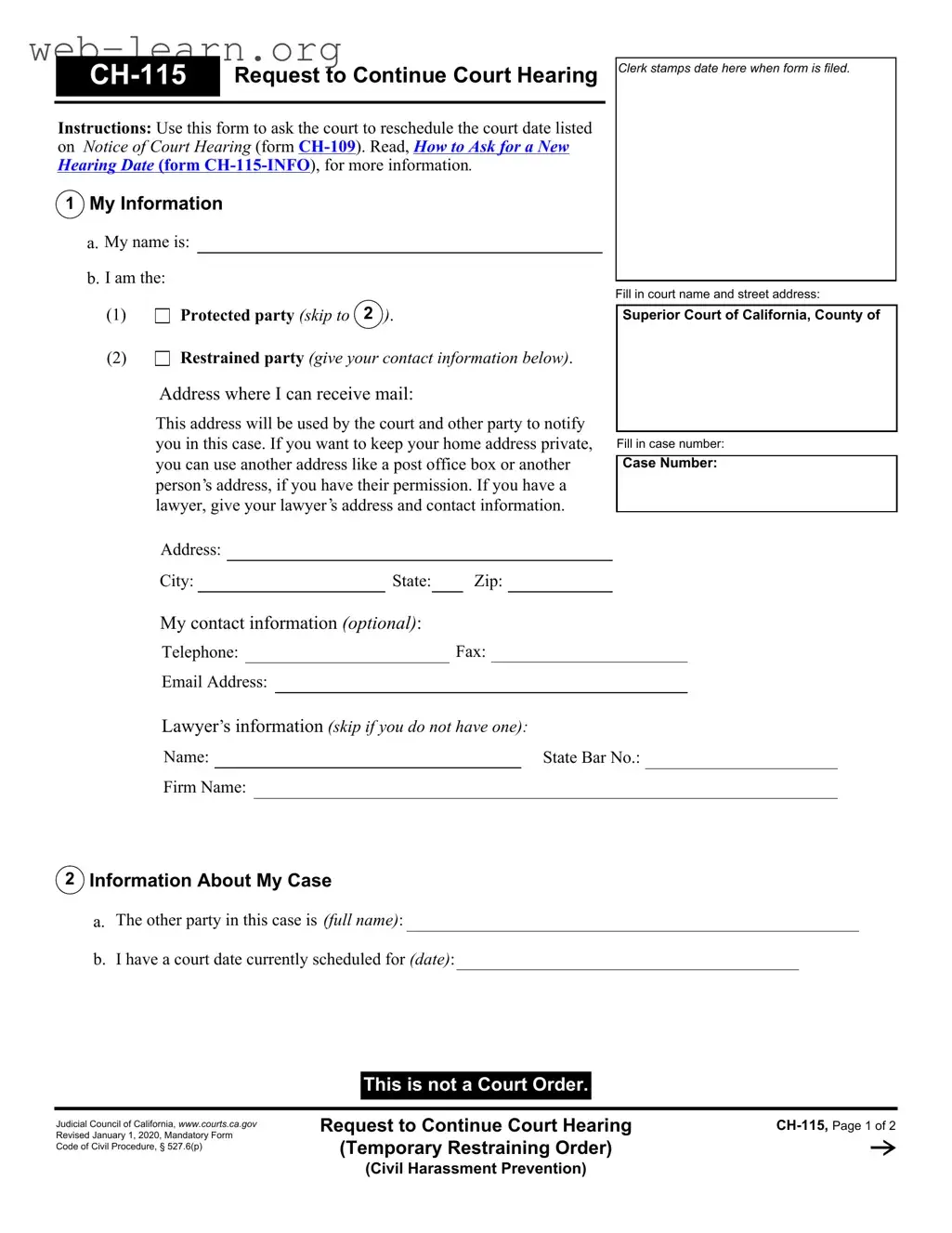
The California CH-115 form, known as the Request to Continue Court Hearing, serves as a crucial tool for individuals involved in legal proceedings, particularly those related to temporary restraining orders. This form is utilized when a party needs to reschedule a court date that has already been set, as indicated in the Notice of Court Hearing (form CH-109). It is important for both the protected party and the restrained party to understand how to properly fill out this form to ensure their requests are considered by the court. The form requires basic personal information, such as the names and addresses of the parties involved, along with details about the case, including the current court date and whether a temporary restraining order is in effect. Additionally, the individual requesting the change must provide a valid reason for the rescheduling, whether it’s to allow more time for service of the restrained party or for other legitimate reasons. By completing the CH-115 form accurately, parties can help facilitate a smoother legal process and maintain their rights throughout the proceedings.
Sample - California Ch 115 Form

CH-115, Page 1 of 2
Fill in court name and street address:
Superior Court of California, County of
Fill in case number:
Case Number:
CH-115
Request to Continue Court Hearing
Instructions: Use this form to ask the court to reschedule the court date listed
on Notice of Court Hearing (form
CH-109). Read,
How to Ask for a New
Hearing Date (form CH-115-INFO
), for more information.
I have a court date currently scheduled for (date):
2
Information About My Case
(full name):
The other party in this case is
a.
b.
1
My Information
a.
Restrained party (give your contact information below).
Protected party (skip to ).
I am the:
Name:
State Bar No.:
Firm Name:
Address:
Telephone:
State: Zip:
Email Address:
City:
b.
My contact information (optional):
Fax:
My name is:
Address where I can receive mail:
2
(1)
(2)
Clerk stamps date here when form is filed.
Judicial Council of California, www.courts.ca.gov
Revised January 1, 2020, Mandatory Form
Code of Civil Procedure, § 527.6(p)
Request to Continue Court Hearing
(Temporary Restraining Order)
(Civil Harassment Prevention)
This is not a Court Order.
This address will be used by the court and other party to notify
you in this case. If you want to keep your home address private,
you can use another address like a post office box or another
person s address, if you have their permission. If you have a
lawyer, give your lawyer s address and contact information.
Lawyer s information (skip if you do not have one):
Case Number:
CH-115,
Page 2 of 2
Judicial Council of California, www.courts.ca.gov
Revised January 1, 2020, Mandatory Form
Code of Civil Procedure, § 527.6(p)
Request to Continue Court Hearing
(Temporary Restraining Order)
(Civil Harassment Prevention)
This is not a Court Order.
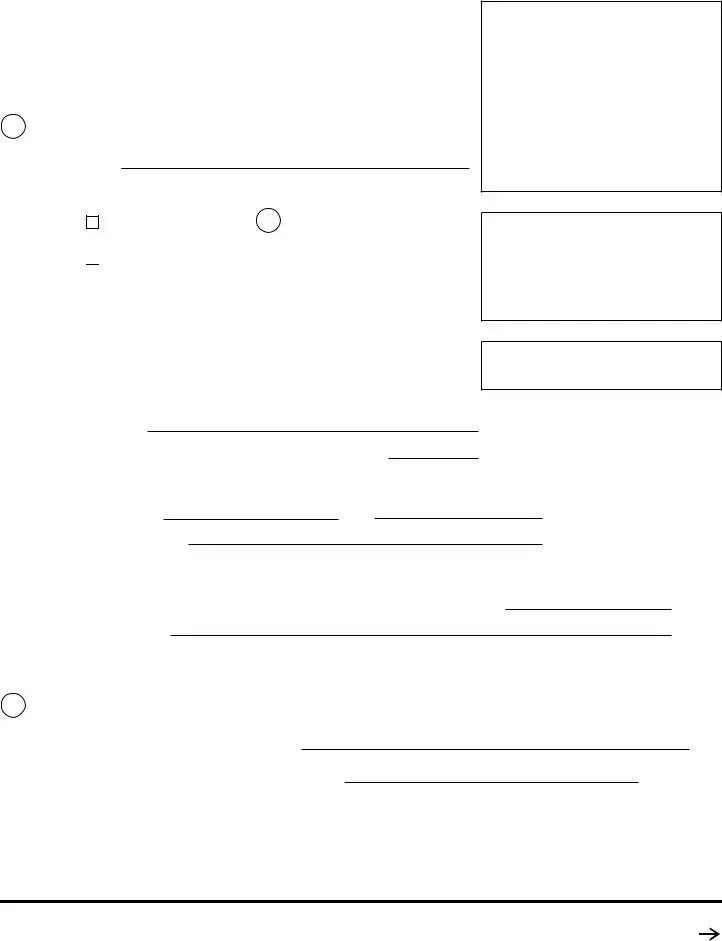
4
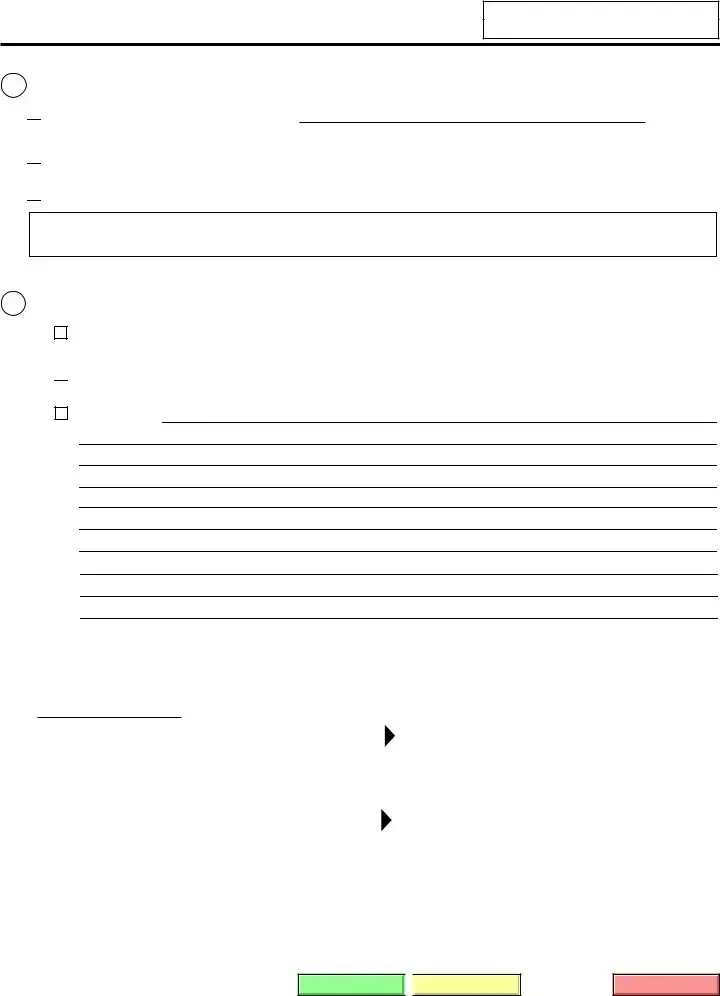
Why does the court date need to be rescheduled?
c.
I am the restrained party, and this is my first request to reschedule the court date.b.
a.
I am the person asking for protection, and I need more time to have the restrained party personally served.
Date the order was made, if known:Yes.
Notice: If the court date is rescheduled, the Temporary Restraining Order (form CH-110
) will remain in effect
until the end of the new court date unless otherwise ordered by the court.
Is a Temporary Restraining Order in effect?
3
No.
Please attach a copy of the order if you have one.
Other reason:
I declare under penalty of perjury under the laws of the State of California that the information above is true and correct.
Date:
Type or print your name
Sign your name
Lawyer s name, if you have one
Lawyer s signature
Date:
I don t know.
Print this form
Save this form
Clear this form
For your protection and privacy, please press the Clear
This Form button after you have printed the form.

Form Information

Fact Name Details
Purpose of Form The CH-115 form is used to request a new court date for a hearing related to a Temporary Restraining Order (TRO) in California.
Governing Law This form is governed by the California Code of Civil Procedure, specifically § 527.6(p), which pertains to civil harassment prevention.
Eligibility Both the protected party and the restrained party can use this form. However, the protected party may skip certain sections if they are not represented by a lawyer.
Temporary Restraining Order Status If the court date is rescheduled, the existing Temporary Restraining Order remains in effect until the new court date unless the court decides otherwise.

Detailed Guide for Filling Out California Ch 115

After completing the California CH-115 form, you will need to file it with the court. Make sure to keep a copy for your records. This form allows you to request a new court date, and it is important to provide accurate information to avoid delays.

  1. My Information
    a. Write your full name.
    b. Indicate your role: either "Protected party" or "Restrained party." If you are the restrained party, provide your contact information below.
  2. Fill in the court name and street address.
    (1) Write the name of the Superior Court of California, County of.
    (2) Enter the street address of the court.
  3. Provide your mailing address.
    This address will be used by the court and other parties to notify you. If you prefer to keep your home address private, you may use a post office box or another person's address with their permission.
  4. Fill in your contact information (optional).
    Include your telephone number, fax number, and email address.
  5. Enter your case number.
    Write the case number in the designated space.
  6. If you have a lawyer, provide their information.
    Include their name, State Bar number, and firm name.
  7. Information About My Case
    a. Write the full name of the other party involved in your case.
    b. Indicate the current scheduled court date.
  8. Indicate if a Temporary Restraining Order is in effect.
    Check "Yes," "No," or "I don’t know." If yes, provide the date the order was made and attach a copy if available.
  9. Reason for Rescheduling
    Select the reason for your request to reschedule:
    a. If you are asking for protection and need more time for service.
    b. If you are the restrained party and this is your first request.
    c. Provide any other reason if applicable.
  10. Sign and date the form.
    Type or print your name, sign your name, and date the form. If you have a lawyer, include their name and signature.

Obtain Answers on California Ch 115

  1. What is the CH-115 form used for?

    The CH-115 form is a request to reschedule a court hearing. If you have a court date listed on the Notice of Court Hearing (form CH-109) and need to change it, this is the form you would use.

  2. Who can fill out the CH-115 form?

    Both the protected party and the restrained party can fill out this form. If you are the protected party, you can skip to the section where you provide your contact information. If you are the restrained party, you will need to provide your contact details.

  3. What information do I need to provide?

    You will need to provide your name, contact information, and the details of the other party involved in the case. Additionally, you must include the scheduled court date and indicate whether a Temporary Restraining Order is in effect.

  4. Why might I need to reschedule my court date?

    There are several reasons you might want to reschedule:

    • You need more time to have the restrained party personally served.
    • This is your first request to reschedule as the restrained party.
    • Any other valid reason that you can provide.

  5. What happens if my court date is rescheduled?

    If your court date is rescheduled, the Temporary Restraining Order (form CH-110) will remain in effect until the new court date unless the court issues a different order.

  6. Do I need to attach any documents with the CH-115 form?

    If you have a copy of the Temporary Restraining Order, it’s a good idea to attach it to your request. This helps the court understand your situation better.

  7. Is the CH-115 form a court order?

    No, the CH-115 form itself is not a court order. It is simply a request to change the date of your hearing. The court will review your request and make a decision.

Common mistakes

Filling out the California CH-115 form correctly is crucial for ensuring that your request to reschedule a court hearing is processed smoothly. However, many individuals make common mistakes that can lead to delays or complications. Understanding these pitfalls can help you navigate the process more effectively.

One frequent error occurs when individuals fail to provide complete personal information. It is essential to fill in your name and contact details accurately. Omitting your address or using an incorrect one can result in missed notifications about your case. If privacy is a concern, consider using a post office box or another address with permission.

Another mistake is neglecting to include the correct court name and address. Each court has specific identifiers, and providing incorrect information can lead to your request being misdirected. Always double-check that you have the right court details, as this is a fundamental part of the form.

Many people also forget to mention whether a Temporary Restraining Order (TRO) is in effect. This information is vital for the court to understand the context of your request. If you are unsure, it is better to indicate that you do not know than to leave the section blank.

Additionally, individuals often skip the section detailing why the court date needs to be rescheduled. Providing a clear reason helps the court understand your situation better. Whether you need more time for personal service or are making your first request to reschedule, articulating your reason can strengthen your case.

Another common oversight is failing to sign the form. A signature is necessary to validate your request. Without it, the court may consider your submission incomplete, resulting in delays. Ensure that you sign and date the form where indicated.

Some individuals mistakenly believe that they can submit the form without providing a case number. The case number is essential for the court to identify your specific matter. Always include this information to avoid confusion and ensure your request is processed correctly.

Finally, it is important to remember to attach any relevant documents, such as a copy of the Temporary Restraining Order, if applicable. Failing to include supporting documents can hinder the court’s ability to make an informed decision regarding your request.

By being mindful of these common mistakes, you can increase the likelihood of a successful submission. Take your time, review your information, and ensure that everything is complete before filing the form. This diligence can lead to a smoother experience as you navigate the legal process.

Documents used along the form

The California CH-115 form is essential for individuals seeking to reschedule a court hearing related to a Temporary Restraining Order (TRO). Alongside this form, several other documents may be required to ensure a comprehensive legal process. Below is a list of these documents, each serving a unique purpose in the context of civil harassment prevention.

  • CH-110: Temporary Restraining Order - This form is used to request a TRO, which provides immediate protection from harassment or abuse. It outlines the restrictions placed on the restrained party and is effective until a court hearing is held.
  • CH-109: Notice of Court Hearing - This document informs the parties involved of the scheduled court date for the TRO hearing. It includes details such as the time and location of the hearing.
  • CH-120: Proof of Service - This form verifies that the restrained party has been formally notified of the TRO and the upcoming court hearing. It is crucial for ensuring that the legal process is followed correctly.
  • CH-115-INFO: Information Sheet - This informational guide provides instructions on how to fill out the CH-115 form and explains the process for requesting a new hearing date.
  • CH-130: Restraining Order After Hearing - If the court grants the TRO, this form is used to finalize the restraining order after the hearing. It outlines the terms of the order and its duration.
  • CH-140: Request for Dismissal - Should the situation resolve before the hearing, this form allows a party to formally request the dismissal of the TRO and any related proceedings.

Each of these documents plays a vital role in the legal process surrounding Temporary Restraining Orders in California. Understanding their purposes can help individuals navigate their legal rights and responsibilities effectively.

Similar forms

  • California CH-110: Temporary Restraining Order - This form requests the court to issue a temporary restraining order. Like the CH-115, it is part of the process for individuals seeking protection from harassment or abuse. Both forms require information about the parties involved and the reasons for the request.
  • California CH-109: Notice of Court Hearing - This document notifies parties about the upcoming court date. Similar to the CH-115, it is essential for keeping all parties informed about the proceedings and includes details about the case and the scheduled hearing.
  • California CH-100: Request for Domestic Violence Restraining Order - This form is used to request a restraining order in cases of domestic violence. Both CH-100 and CH-115 are aimed at protecting individuals, but CH-100 specifically addresses domestic situations, while CH-115 deals with civil harassment.
  • California CH-120: Response to Request for Domestic Violence Restraining Order - This document allows a restrained party to respond to a request for a restraining order. Like the CH-115, it is part of the court process and ensures that all parties have the opportunity to present their side of the case.
  • California FL-300: Request for Order - This form is used in family law cases to request various types of orders from the court. Similar to the CH-115, it requires the party to explain the reason for the request and includes information about the parties involved in the case.

Dos and Don'ts

When filling out the California CH-115 form, it is essential to follow certain guidelines to ensure your request is processed smoothly. Here’s a list of things you should and shouldn’t do:

  • Do provide accurate personal information, including your name and contact details.
  • Do indicate whether you are the protected or restrained party clearly.
  • Do include the correct court name and case number to avoid delays.
  • Do explain your reason for rescheduling the court date in a clear manner.
  • Do attach any relevant documents, such as a copy of the Temporary Restraining Order, if applicable.
  • Don’t forget to sign and date the form; an unsigned form may be rejected.
  • Don’t use a home address if you wish to keep your location private; consider a post office box instead.

Adhering to these guidelines will help ensure that your request is handled efficiently and effectively by the court.

Misconceptions

Here are seven misconceptions about the California CH-115 form, along with clarifications for each.

  • It can be used for any court hearing. The CH-115 form is specifically for requesting a new date for hearings related to Temporary Restraining Orders (TROs) in civil harassment cases.
  • Only the restrained party can request a new hearing date. Both the protected party and the restrained party can use this form to ask for a rescheduling of the court date.
  • You must provide your home address. If you wish to keep your home address private, you can use an alternative address, such as a P.O. Box or another person's address, with their permission.
  • The court will automatically grant the request. Submitting the CH-115 form does not guarantee that the court will approve the request to continue the hearing. The court will review the reasons provided.
  • You don't need to explain why you are rescheduling. The form requires you to state a reason for the request. This helps the court understand the necessity of rescheduling.
  • A lawyer is required to fill out the form. While having a lawyer can be helpful, it is not mandatory. Individuals can fill out the form on their own.
  • The Temporary Restraining Order expires if the hearing is rescheduled. The TRO remains in effect until the new court date unless the court issues a different order.

Key takeaways

Here are key takeaways regarding the California CH-115 form:

  • Purpose: The CH-115 form is used to request a rescheduling of a court date listed on the Notice of Court Hearing (form CH-109).
  • Eligibility: Both the protected party and the restrained party can use this form, but specific sections apply to each party.
  • Contact Information: It is essential to provide an address where the court can notify you. If privacy is a concern, an alternative address may be used.
  • Temporary Restraining Order: If a Temporary Restraining Order is in effect, it will remain valid until the new court date unless the court orders otherwise.
  • Reasons for Rescheduling: The form allows for various reasons to be stated for the request, including needing more time for personal service or being the restrained party making a first request.
  • Legal Declaration: By signing the form, you declare that the information provided is true and correct, under penalty of perjury.