Homepage Blank California App 151 Form
Outline

The California App 151 form, formally known as the Petition for Writ, serves as a critical tool for individuals seeking to challenge specific actions or rulings made by a trial court in misdemeanor, infraction, or limited civil cases. This form allows a petitioner to formally request a writ, which is a court order directing a lower court or government official to perform or refrain from performing a specific act. It is essential for petitioners to accurately fill in details such as their name, the name of the respondent court, and any other parties involved in the original case. The form requires clear documentation of the trial court's action being challenged, along with a description of the legal errors alleged to have occurred. Additionally, it emphasizes the importance of adhering to deadlines, typically within 30 days of the trial court's decision, and mandates that petitioners serve copies of the completed form to all relevant parties. Understanding the procedural requirements, including the necessity for proof of service, is vital for ensuring that the petition is considered. The App 151 form is not applicable for all types of writs or appeals, and petitioners are encouraged to consult supplementary resources for guidance on their rights and responsibilities throughout the process.
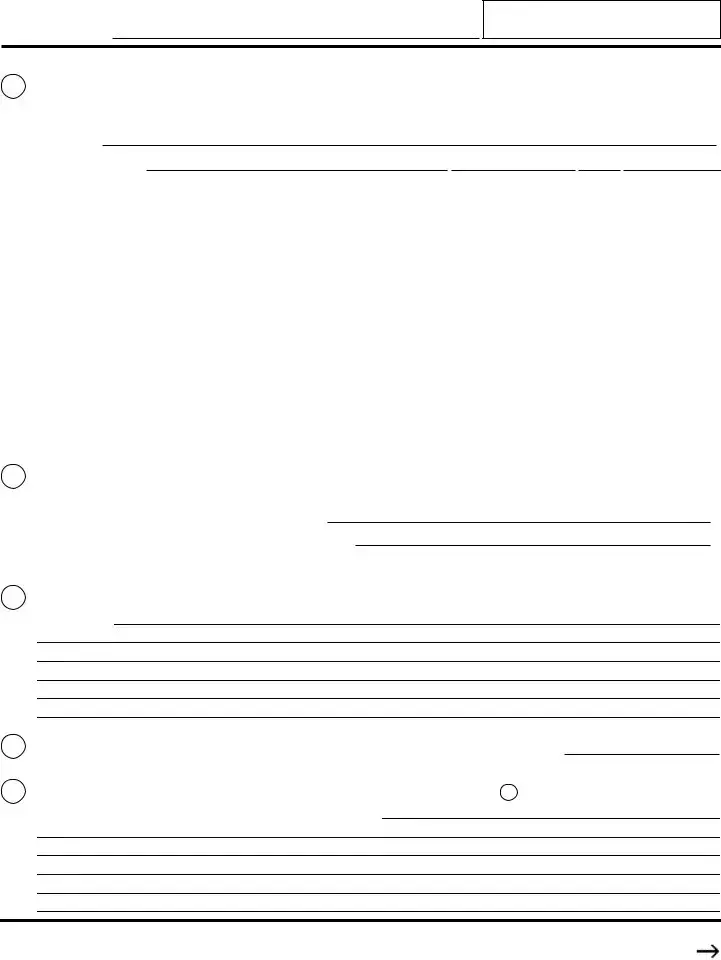
Sample - California App 151 Form

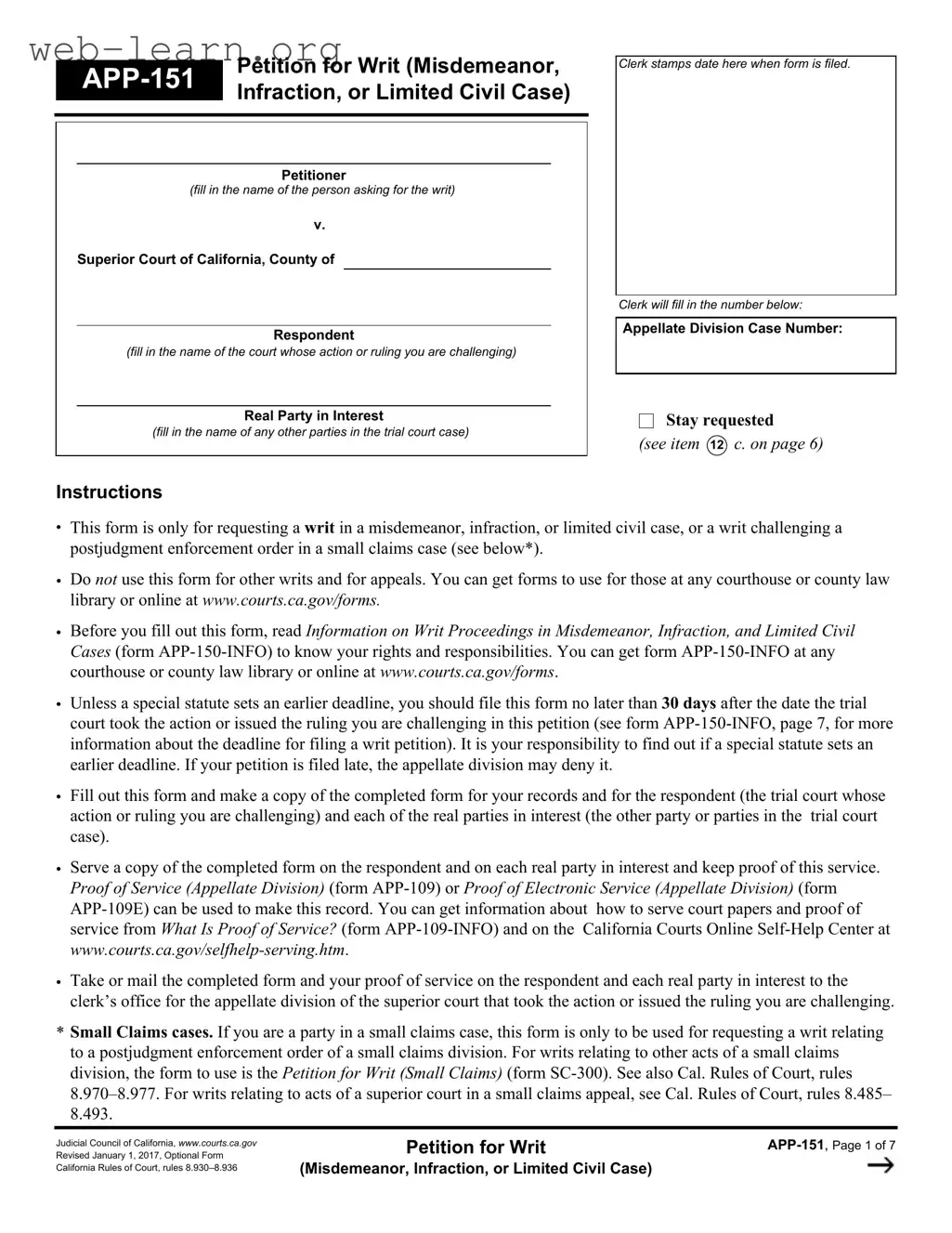
(see item c. on page 6)
Stay requested
Instructions
Before you fill out this form, read Information on Writ Proceedings in Misdemeanor, Infraction, and Limited Civil
Cases (form APP-150-INFO) to know your rights and responsibilities. You can get form APP-150-INFO at any
courthouse or county law library or online at www.courts.ca.gov/forms.
This form is only for requesting a writ in a misdemeanor, infraction, or limited civil case, or a writ challenging a
postjudgment enforcement order in a small claims case (see below*).
Unless a special statute sets an earlier deadline, you should file this form no later than 30 days after the date the trial
court took the action or issued the ruling you are challenging in this petition (see form APP-150-INFO, page 7, for more
information about the deadline for filing a writ petition). It is your responsibility to find out if a special statute sets an
earlier deadline. If your petition is filed late, the appellate division may deny it.
Fill out this form and make a copy of the completed form for your records and for the respondent (the trial court whose
action or ruling you are challenging) and each of the real parties in interest (the other party or parties in the trial court
case).
Serve a copy of the completed form on the respondent and on each real party in interest and keep proof of this service.
Proof of Service (Appellate Division) (form APP-109) or Proof of Electronic Service (Appellate Division) (form
APP-109E) can be used to make this record. You can get information about how to serve court papers and proof of
service from What Is Proof of Service? (form APP-109-INFO) and on the California Courts Online Self-Help Center at
www.courts.ca.gov/selfhelp-serving.htm.
Take or mail the completed form and your proof of service on the respondent and each real party in interest to the
clerk’s office for the appellate division of the superior court that took the action or issued the ruling you are challenging.
Petitioner
(fill in the name of the person asking for the writ)
v.
Superior Court of California, County of
(fill in the name of the court whose action or ruling you are challenging)
(fill in the name of any other parties in the trial court case)
APP-151
Petition for Writ (Misdemeanor,
Infraction, or Limited Civil Case)
Appellate Division Case Number:
Clerk stamps date here when form is filed.
Clerk will fill in the number below:
Respondent
Real Party in Interest
Judicial Council of California, www.courts.ca.gov
Revised January 1, 2017, Optional Form
California Rules of Court, rules 8.930–8.936
Petition for Writ
(Misdemeanor, Infraction, or Limited Civil Case)
APP-151, Page 1 of 7
12
Small Claims cases. If you are a party in a small claims case, this form is only to be used for requesting a writ relating
to a postjudgment enforcement order of a small claims division. For writs relating to other acts of a small claims
division, the form to use is the Petition for Writ (Small Claims) (form SC-300). See also Cal. Rules of Court, rules
8.970–8.977. For writs relating to acts of a superior court in a small claims appeal, see Cal. Rules of Court, rules 8.485–
8.493.
*
Do not use this form for other writs and for appeals. You can get forms to use for those at any courthouse or county law
library or online at www.courts.ca.gov/forms.
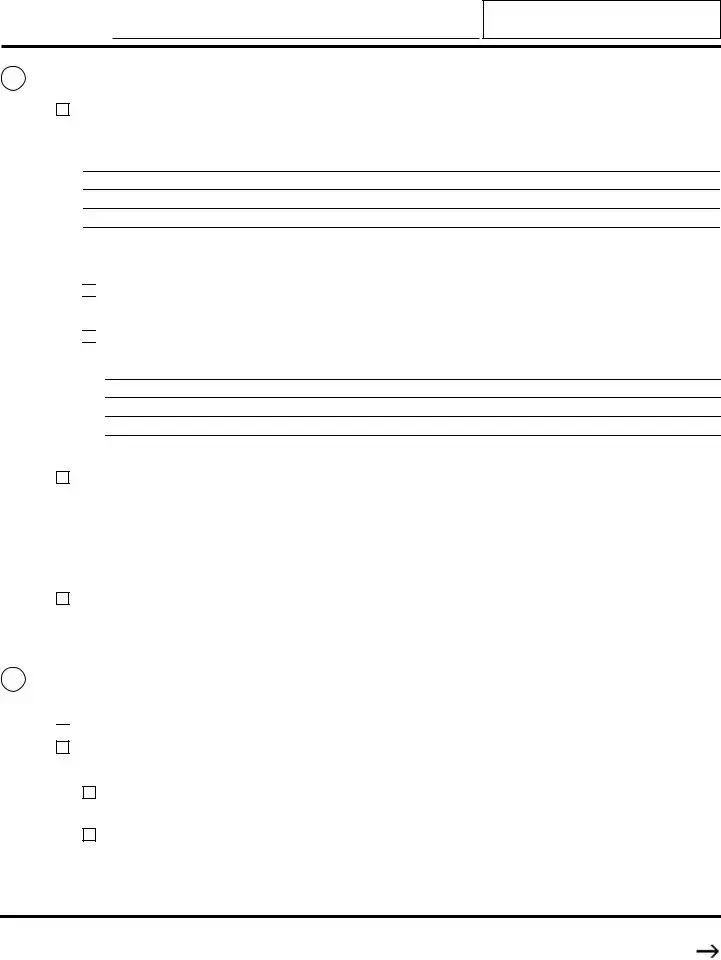
The trial court action or ruling I am/my client is challenging is (describe the action taken or ruling made by the
trial court):
The Trial Court Action or Ruling You Are Challenging
I am/My client is filing this petition to challenge an action taken or ruling made by the trial court in the following
case:
Case name (fill in the trial court case name):
a.
Case number (fill in the trial court case number):
The trial court took this action or made this ruling on the following date (fill in the date):
Your Information
Phone: E-mail:
Mailing address (if different):
Petitioner (the party who is asking for the writ): a.
State Bar number:Name:
Petitioner’s lawyer (skip this if the petitioner does not have a lawyer for this petition):
b.
Name:
City
State
Street address:
Street
Zip
Street City
State Zip
Phone:
Mailing address (if different):
City State
Street address:
Street Zip
Street City State
Fax:
Zip
E-mail:
b.
4
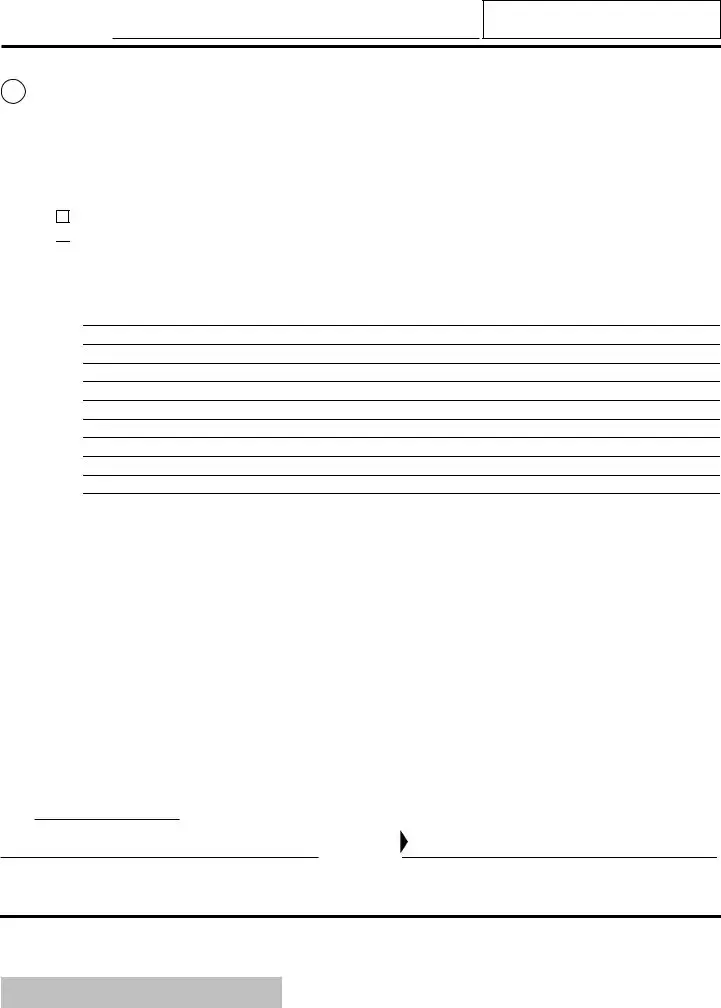
If you are filing this petition more than 30 days after the date that you listed in , explain the extraordinary
circumstances that caused the delay in filing this petition:
Revised January 1, 2017
Petition for Writ
(Misdemeanor, Infraction, or Limited Civil Case)
APP-151, Page 2 of 7
1
2
3
4
5
Appellate Division
Case Name:
Appellate Division Case Number:
The other party or parties in the case identified in was/were (fill in the names of the parties):
2
2
was not a party in the case identified in but will be directly and negatively affected in the following way
by the action taken or ruling made by the trial court (describe how you/your client will be directly and
negatively affected by the trial court’s action or ruling):
The Parties in the Trial Court Case
I/My client (check and fill in a or b):
a.
was a party in the case identified in .
b.
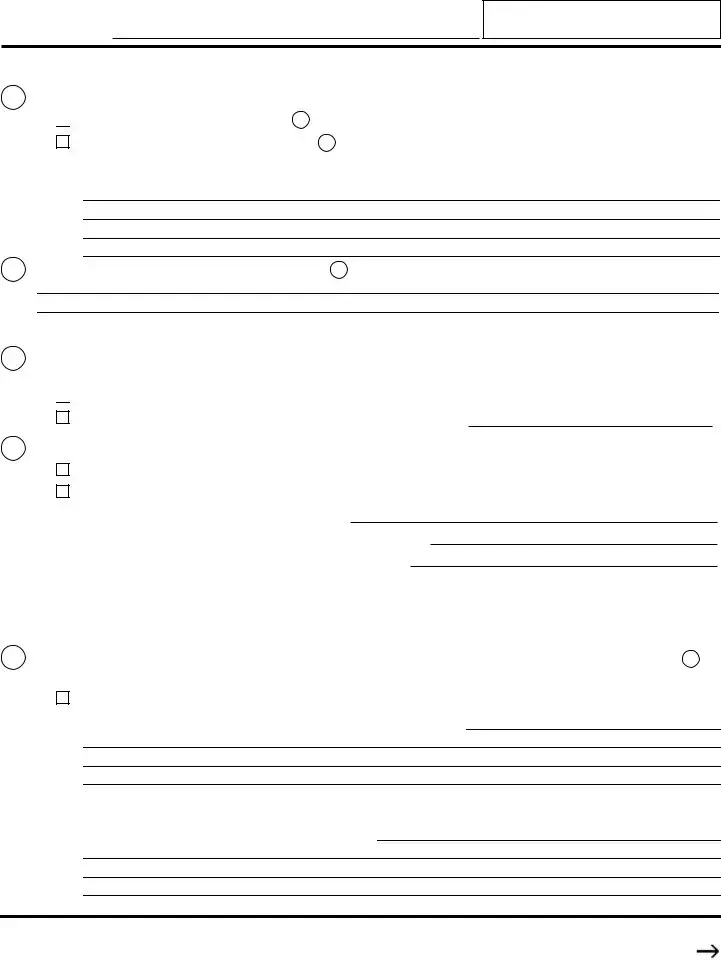
Appeals or Other Petitions for Writs in This Case
Did you or anyone else file an appeal about the same trial court action or ruling you are challenging in this petition?
(Check and fill in a or b):
a.
No
b.
Yes (fill in the appellate division case number of the appeal):
Have you filed a previous petition for a writ challenging this trial court action or ruling? (Check and fill in a or b):
a.
No
Yes (Please provide the following information about this previous petition).
b.
Petition title (fill in the title of the petition):
(1)
Date petition filed (fill in the date you filed this petition):
(2)
Case number (fill in the case number of the petition):
(3)
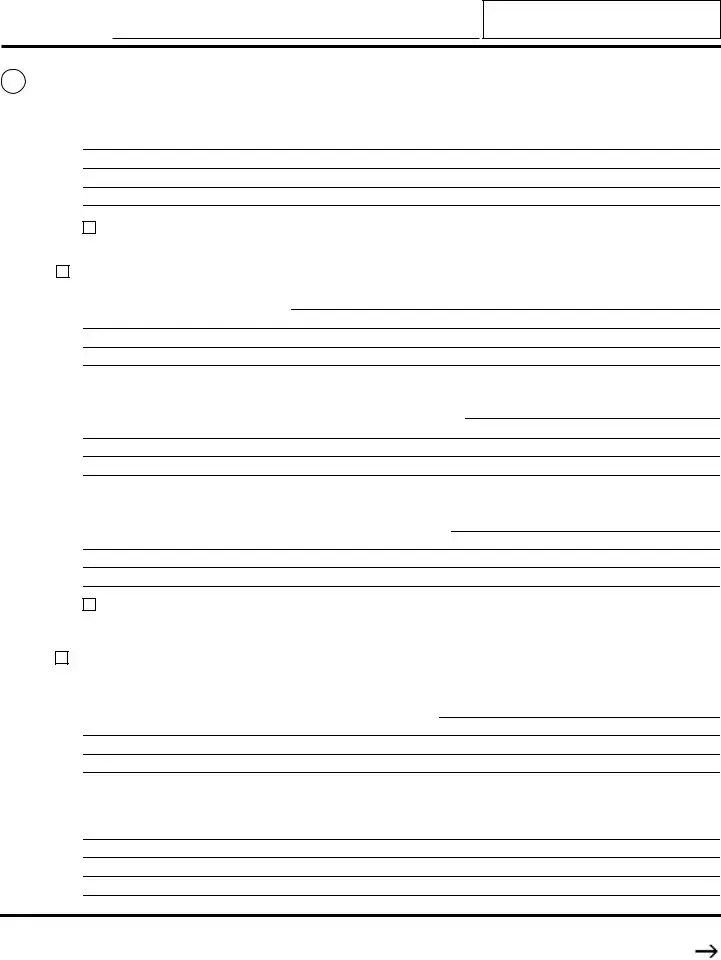
Reasons for This Petition
The trial court made the following legal error or errors when it took the action or made the ruling described in
(check and fill in at least one):
a.
The trial court has not done or has refused to do something that the law says it must do.
(1)
(2)
If you/your client filed more than one previous petition, attach another page providing this information for each
additional petition. At the top of each page, write “APP-151, item 9.”)
2
Revised January 1, 2017
Petition for Writ
(Misdemeanor, Infraction, or Limited Civil Case)
APP-151, Page 3 of 7
3
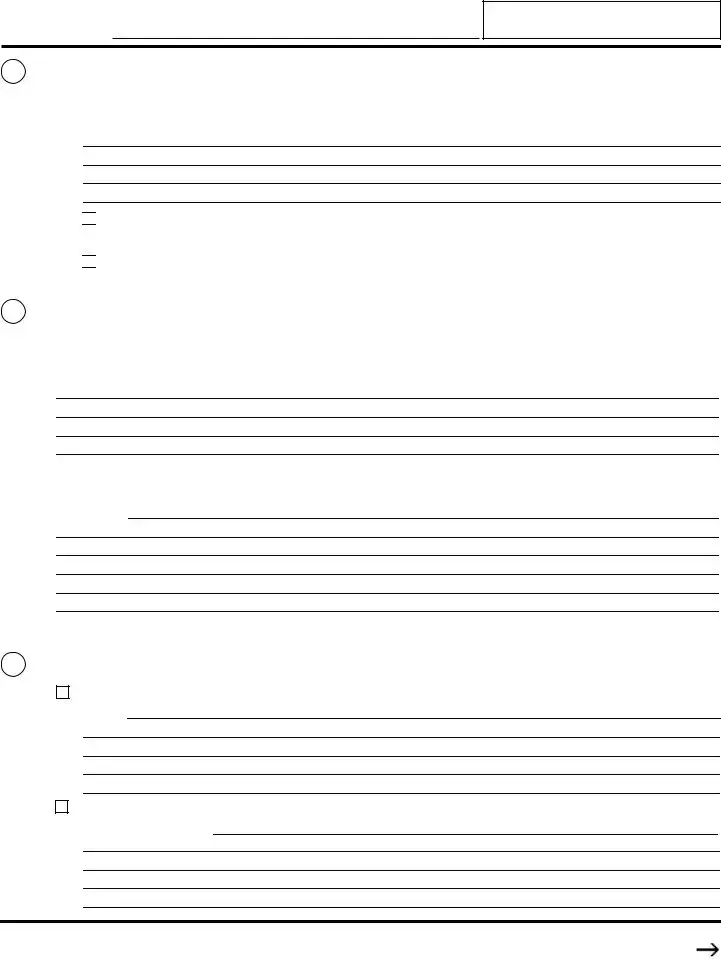
Describe what you believe the law says the trial court must do:
Identify the law (the section of the Constitution or statute, published court decision, or other legal
authority) that says the trial court must do this:
6
7
8
9
10
Appellate Division
Case Name:
Appellate Division Case Number:
b.
The trial court has done something that the law says the court cannot or must not do.
(1)
(2)
(3)
Check here if you need more space to describe the reason for your petition and attach a separate page
or pages describing it. At the top of each page, write “APP-151, item 10b.”
c.
The trial court has performed or said it is going to perform a judicial function (like deciding a person’s
rights under law in a particular situation) in a way the court does not have the legal power to do.
(1)
(2)
(3)
Check here if you need more space to describe the reason for your petition and attach a separate page
or pages describing it. At the top of each page, write “APP-151, item 10a.”
(continued)
Revised January 1, 2017
Petition for Writ
(Misdemeanor, Infraction, or Limited Civil Case)
APP-151, Page 4 of 7
Identify where in the supporting documents (the record of what was said in the trial court and the
documents from the trial court) it shows that the court did not do or refused to do this:
Describe what the trial court did:
Identify where in the supporting documents (the record of what was said in the trial court and the
documents from the trial court) it shows that the court did this:
Identify the law (the section of the Constitution or statute, published court decision, or other legal
authority) that says the trial court cannot or must not do this:
Describe what the trial court did or said it is going to do:
Identify where in the supporting documents (the record of what was said in the trial court and the
documents from the trial court) it shows that the court did or said it was going to do this:
10
Appellate Division
Case Name:
Appellate Division Case Number:
order the trial court not to do the following (describe what, if anything, you want the trial court to be
ordered NOT to do):
b.
I request that this court (check and fill in all that apply):
a.
order the trial court to do the following (describe what, if anything, you want the trial court to be ordered
to do):
Order You Are Asking the Appellate Division to Make
This petition will be granted only if there is no other adequate way to address the trial court’s action or ruling other
than by issuing the requested writ.
a.
b.
(3)
Check here if you need more space to describe this reason for your petition and attach a separate page
or pages describing it. At the top of each page, write “APP-151, item 10c.”
Check here if there are more reasons for this petition and attach an additional page or pages describing
these reasons. At the top of each page, write “APP-151, item 10d.”
Revised January 1, 2017
Petition for Writ
(Misdemeanor, Infraction, or Limited Civil Case)
APP-151, Page 5 of 7
Identify the law (the section of the Constitution or statute, published court decision, or other legal
authority) that says the trial court does not have the power to do this:
(continued)
Explain why there is no way other than through this petition for a writ—through an appeal, for example—for
your arguments to be adequately presented to the appellate division:
Explain how you/your client will be irreparably harmed if the appellate division does not issue the writ you are
requesting:
10
11
12
Appellate Division
Case Name:
Appellate Division Case Number:
Supporting Documents
Is a record of what was said in the trial court about the action or ruling you are challenging attached as required by
rule 8.931(b)(1)(D) of the California Rules of Court?
a.
Yes, a transcript or an official electronic recording of what was said in the trial court is attached.
b.
No, a transcript or official electronic recording is not attached, but I have attached a declaration (a statement
signed under penalty of perjury) (Check (1) or (2):
stating the transcript or electronic recording has been ordered, the date it was ordered, and the date it is
expected to be filed.
(1)
explaining why the transcript or official electronic recording is not available and providing a fair
summary of what was said in the trial court, including the petitioner’s arguments and any statement by
the trial court supporting its ruling.
(2)
asked the trial court to stay these proceedings, but the trial court denied this request (include in your
supporting documents a copy of the trial court’s order denying your request for a stay).
did not ask the trial court to stay these proceedings for the following reasons (describe below why you
did not ask the trial court to stay these proceedings):
I/My client:
d.
e.
grant any additional relief that the appellate division decides is fair and appropriate.
c.
issue a stay ordering the trial court not to take any further action in this case until this court decides whether
to grant or deny this petition (describe below why it is urgent that the trial court not take any further action
and check the Stay requested box on page 1 of this form):
(continued)
(1)
(2)
Revised January 1, 2017
Petition for Writ
(Misdemeanor, Infraction, or Limited Civil Case)
APP-151, Page 6 of 7
take other action (describe):
12
13
Appellate Division
Case Name:
Appellate Division Case Number:
Are the following documents attached as required by rule 8.931(b)(1)(A)–(C):
The trial court ruling being challenged in this petition
All documents and exhibits submitted to the trial court supporting and opposing the petitioner’s position
Any other documents or portions of documents submitted to the trial court that are necessary for a complete
understanding of the case and the ruling being challenged? (Check a or b):
a.
Yes, these documents are attached.
b.
No, these documents are not attached for the following reasons (explain why these documents are not
attached and give a fair summary of the substance of these documents. Note that rule 8.931 provides that, in
extraordinary circumstances, the petition may be filed without these documents, but the petitioner must
explain the urgency and the circumstances making the documents unavailable):
Verification
I declare under penalty of perjury under the laws of the State of California that the foregoing is true and correct.
Revised January 1, 2017
Petition for Writ
(Misdemeanor, Infraction, or Limited Civil Case)
APP-151, Page 7 of 7
Signature of petitioner or attorney
Type or print your name
Date:
14
Appellate Division
Case Name:
Appellate Division Case Number:

Form Information

Fact Name Description
Purpose This form is used to request a writ in misdemeanor, infraction, or limited civil cases. It can also challenge postjudgment enforcement orders in small claims cases.
Filing Deadline The petition must be filed within 30 days of the trial court's action or ruling. If filed late, the appellate division may deny the petition.
Governing Laws The form is governed by the California Rules of Court, specifically rules 8.930–8.936 and 8.970–8.977.
Proof of Service After completing the form, it must be served on the respondent and all real parties in interest. Proof of service is required to document this action.

Detailed Guide for Filling Out California App 151

After completing the California App 151 form, you will need to file it with the appropriate court and serve copies to all relevant parties. Make sure to keep a record of your service. Following these steps will help ensure that your petition is submitted correctly.

  1. Begin by filling in the Petitioner section at the top of the form. Include your name, address, phone number, and email.
  2. If you have a lawyer, provide their information in the Petitioner’s lawyer section. If not, skip this step.
  3. In the Trial Court Action or Ruling You Are Challenging section, write the case name and case number of the trial court case you are contesting.
  4. Describe the specific action or ruling made by the trial court that you are challenging.
  5. Fill in the date when the trial court made this ruling or took the action.
  6. If you are filing the petition more than 30 days after the ruling, explain the extraordinary circumstances that caused the delay.
  7. Indicate whether you or your client was a party in the case. If not, describe how you or your client will be negatively affected.
  8. List the names of the other parties involved in the trial court case.
  9. Check if you or anyone else has filed an appeal regarding the same action or ruling. If yes, provide the appellate division case number.
  10. Check if you have filed a previous petition for a writ regarding this action or ruling. If yes, provide the title, date filed, and case number of that petition.
  11. In the Reasons for This Petition section, check at least one reason for the petition and provide the necessary details.
  12. Explain why there is no other adequate way to address the trial court’s action or ruling, and how you or your client will be irreparably harmed if the writ is not issued.
  13. In the Order You Are Asking the Appellate Division to Make section, specify what you want the court to order the trial court to do or not do.
  14. Review the completed form for accuracy and make a copy for your records and for each party involved.
  15. Serve copies of the completed form to the respondent and each real party in interest. Keep proof of this service.
  16. Finally, file the original form and proof of service with the clerk’s office for the appellate division of the superior court.

Obtain Answers on California App 151

  1. What is the California App 151 form?

    The California App 151 form is used to request a writ in misdemeanor, infraction, or limited civil cases. It allows individuals to challenge a ruling or action taken by a trial court. This form is specifically designed for situations where other forms of appeal may not be appropriate.

  2. Who can use the App 151 form?

    Any individual or party who has been affected by a ruling in a misdemeanor, infraction, or limited civil case can use this form. It is also applicable for small claims cases when challenging a postjudgment enforcement order. However, it should not be used for other types of writs or appeals.

  3. What are the deadlines for filing the App 151 form?

    Generally, you must file the App 151 form within 30 days of the trial court's action or ruling that you are challenging. If a specific statute sets an earlier deadline, it is your responsibility to be aware of that. Late filings may result in denial of the petition.

  4. How do I serve the completed App 151 form?

    After completing the form, make copies for your records and for the respondent (the trial court) and any real parties in interest. You must serve these copies and keep proof of service. You can use the Proof of Service (Appellate Division) form (APP-109) or the Proof of Electronic Service (APP-109E) for this purpose.

  5. What should I include in the App 151 form?

    When filling out the App 151 form, you will need to provide:

    • Your information as the petitioner.
    • The trial court action or ruling you are challenging.
    • Details about the parties involved in the case.
    • Any previous appeals or petitions related to the same issue.
    • Reasons for your petition, including any legal errors made by the trial court.
  6. What if I miss the filing deadline?

    If you file the App 151 form after the deadline, the appellate division may deny your petition. It is crucial to file within the specified time frame unless you can demonstrate extraordinary circumstances that caused the delay.

  7. What happens after I file the App 151 form?

    Once you submit the completed form along with proof of service to the appellate division's clerk's office, the court will review your petition. If the court finds merit in your arguments, it may grant the writ and issue an order regarding the trial court's actions.

  8. Where can I find additional information or assistance?

    For more information about writ proceedings, you can refer to the Information on Writ Proceedings in Misdemeanor, Infraction, and Limited Civil Cases (form APP-150-INFO). This form, along with the App 151 form, can be obtained at any courthouse, county law library, or online at the California Courts website.

Common mistakes

When filling out the California App 151 form, many individuals inadvertently make mistakes that can hinder their petition process. One common error is failing to provide complete information in the required sections. For instance, when entering details about the petitioner, such as name, address, and contact information, any omissions can lead to delays or even rejections. It is crucial to ensure that all fields are filled accurately, as incomplete information can prevent the court from properly processing the petition.

Another frequent mistake is neglecting to adhere to the filing deadlines. The form specifies that the petition must be filed no later than 30 days after the trial court's action or ruling. If individuals miss this deadline, their petition may be denied outright. It is essential to keep track of these dates and to file promptly. Being aware of any special statutes that may impose earlier deadlines is also vital, as ignorance of these rules can lead to unnecessary complications.

Additionally, many people fail to serve copies of the completed form to all necessary parties, including the respondent and any real parties in interest. Proper service is not just a formality; it is a legal requirement. Without proof of service, the petition may be dismissed. Keeping a record of this service is equally important, as it provides evidence that all parties have been notified of the petition.

Lastly, individuals often overlook the importance of clearly articulating the reasons for their petition. The form requires a detailed description of the trial court's actions or rulings being challenged. Vague or unclear explanations can weaken the petition's effectiveness. Providing specific legal errors and supporting documentation is essential for strengthening the case. A well-prepared petition can significantly impact the outcome of the writ request.

Documents used along the form

The California App 151 form is a crucial document for individuals seeking a writ in misdemeanor, infraction, or limited civil cases. When filing this form, several other documents may be needed to support the petition or to fulfill procedural requirements. Below is a list of commonly associated forms that can help streamline the process.

  • APP-150-INFO: This document provides essential information on writ proceedings in misdemeanor, infraction, and limited civil cases. It outlines your rights and responsibilities, ensuring you understand the process before submitting your petition.
  • APP-109: This form serves as proof of service for the appellate division. It confirms that you have properly served copies of your petition to the respondent and all real parties in interest.
  • APP-109E: Similar to APP-109, this form is used for proof of electronic service. If you choose to serve documents electronically, this form will document that process.
  • SC-300: If your case involves small claims, this form is specifically for requesting a writ related to a postjudgment enforcement order. It is not to be confused with the APP-151 form, which has different applications.
  • APP-101: This form is used for filing a notice of appeal. If you have previously filed an appeal regarding the same action or ruling, this document is essential for tracking your case history.
  • APP-102: This is the application for a waiver of court fees. If you cannot afford the fees associated with filing your petition, this form allows you to request a fee waiver.
  • APP-103: This form is the request for an extension of time to file your writ petition. If you need more time beyond the standard deadline, this document must be submitted to the court.

Understanding these associated forms can significantly enhance your ability to navigate the legal process effectively. Each document plays a specific role in ensuring that your petition is complete and properly submitted, increasing the likelihood of a favorable outcome.

Similar forms

  • Petition for Writ of Mandate (Form APP-104): This document is used to compel a lower court or government agency to perform a duty required by law. Similar to the APP-151, it seeks judicial intervention but is typically applied in broader contexts beyond misdemeanors or infractions.
  • Notice of Appeal (Form APP-001): This form is filed to initiate an appeal against a decision made by a trial court. While the APP-151 challenges specific rulings, the Notice of Appeal serves to formally contest a court's decision in a more general manner.
  • Application for Stay (Form APP-020): This document requests a temporary halt to a court's ruling or order pending the outcome of an appeal. Like the APP-151, it addresses immediate concerns regarding legal actions but focuses on maintaining the status quo during the appeal process.
  • Petition for Review (Form APP-010): This form is used to request a higher court to review a lower court's decision. Similar to the APP-151, it seeks higher judicial scrutiny but is typically employed after a decision has already been made, rather than challenging an ongoing process.

Dos and Don'ts

When filling out the California App 151 form, there are important steps to follow. Here’s a list of things you should and shouldn’t do:

  • Do read the instructions carefully before starting.
  • Do fill in all required information accurately.
  • Do check the deadlines for filing your petition.
  • Do make copies of the completed form for your records and for others involved.
  • Don't use this form for appeals or other types of writs.
  • Don't submit the form without proof of service.
  • Don't miss the deadline for filing, as late submissions may be denied.
  • Don't forget to include all necessary parties when serving the petition.

Misconceptions

  • Misconception 1: The APP-151 form can be used for any type of appeal.
  • This form is specifically designed for requesting a writ in misdemeanor, infraction, or limited civil cases. It is not suitable for other types of appeals or writs.

  • Misconception 2: Filing the APP-151 form is optional if I missed the deadline.
  • It is crucial to file the form within 30 days of the trial court's action or ruling. If you file late, the appellate division may deny your petition.

  • Misconception 3: The form does not require any proof of service.
  • You must serve a copy of the completed form on the respondent and all real parties in interest. Keeping proof of this service is essential.

  • Misconception 4: You do not need to provide a reason for filing the petition.
  • The form requires you to explain the legal errors made by the trial court. Clearly stating these reasons is vital for your petition's success.

  • Misconception 5: The APP-151 form is the same as other writ forms.
  • This form is unique to specific cases. For small claims or other actions, different forms, such as SC-300, should be used.

  • Misconception 6: You can submit the form without reading the accompanying instructions.
  • Before filling out the APP-151, it is essential to read the Information on Writ Proceedings (form APP-150-INFO) to understand your rights and responsibilities.

  • Misconception 7: Legal representation is not necessary when filing the form.
  • While individuals can file the form without a lawyer, having legal representation can significantly improve the chances of a successful petition.

Key takeaways

  • The California App 151 form is specifically designed for petitions regarding misdemeanors, infractions, or limited civil cases. Ensure your situation fits within these categories before proceeding.

  • Before completing the form, it is crucial to read the accompanying Information on Writ Proceedings in Misdemeanor, Infraction, and Limited Civil Cases (form APP-150-INFO). This document outlines your rights and responsibilities.

  • Timeliness is essential. You must file the petition within 30 days of the trial court’s action or ruling, unless a specific statute indicates an earlier deadline. Late submissions may be denied.

  • Make copies of the completed form. You will need copies for your records, the respondent (the trial court), and each real party in interest involved in the case.

  • Service of the petition is mandatory. You must provide a copy to the respondent and all real parties in interest, keeping proof of this service. Utilize forms like Proof of Service (Appellate Division) (APP-109) to document this step.

  • When describing the trial court's action or ruling, be clear and specific. Detail the legal errors you believe occurred, as well as the potential harm you or your client may face without the writ.

  • Finally, articulate the specific orders you are requesting from the appellate division. This clarity will help the court understand your needs and the relief you seek.