Homepage Blank California Agreement Room Form
Outline

The California Agreement Room form serves as a vital tool for establishing clear expectations between property providers and tenants renting a room in a private home. This document outlines essential elements such as the monthly rent amount, payment due dates, and the security deposit details, ensuring that both parties understand their financial obligations from the outset. It also specifies the conditions under which rent may be increased and the notice required for terminating the tenancy, fostering transparency and accountability. Additionally, the form includes provisions for house rules, maintenance responsibilities, and privacy considerations, which are crucial for maintaining a harmonious living environment. By addressing these key aspects, the California Agreement Room form not only protects the interests of both the property provider and the tenant but also facilitates a smoother rental experience. With a structured approach to communication and agreement, this form empowers individuals to navigate their rental arrangements with confidence and clarity.

Sample - California Agreement Room Form

UCSB Community Housing Oce / www.housing.ucsb.edu
43
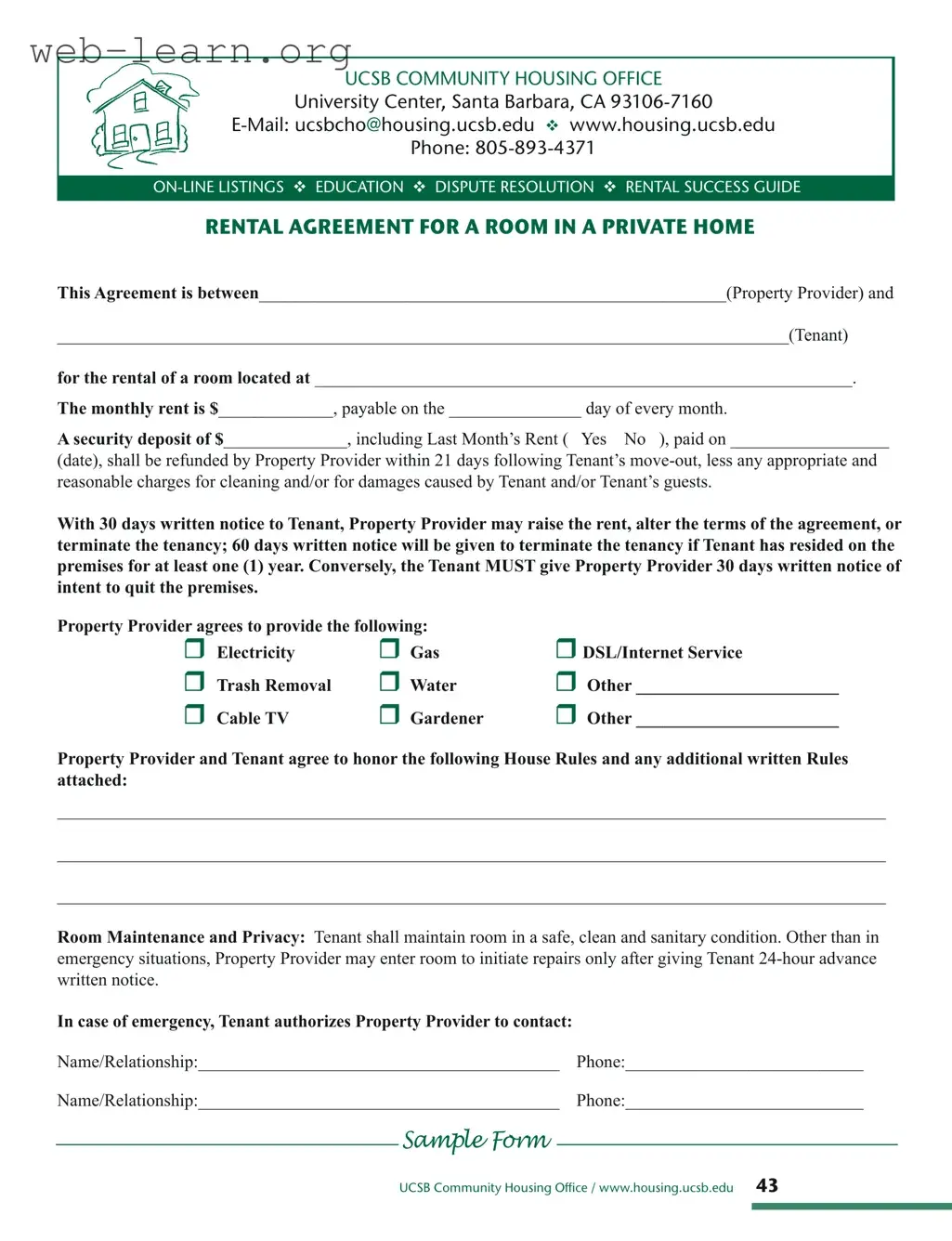
RENTAL AGREEMENT FOR A ROOM IN A PRIVATE HOME
This Agreement is between_____________________________________________________(Property Provider) and
___________________________________________________________________________________(Tenant)
for the rental of a room located at _____________________________________________________________.
The monthly rent is $_____________, payable on the _______________ day of every month.
A security deposit of $______________, including Last Month’s Rent ( Yes No ), paid on __________________
(date), shall be refunded by Property Provider within 21 days following Tenant’s move-out, less any appropriate and
reasonable charges for cleaning and/or for damages caused by Tenant and/or Tenant’s guests.
With 30 days written notice to Tenant, Property Provider may raise the rent, alter the terms of the agreement, or
terminate the tenancy; 60 days written notice will be given to terminate the tenancy if Tenant has resided on the
premises for at least one (1) year. Conversely, the Tenant MUST give Property Provider 30 days written notice of
intent to quit the premises.
Property Provider agrees to provide the following:
r
Electricity
r
Gas
r
DSL/Internet Service
r
Trash Removal
r
Water
r
Other _______________________
r
Cable TV
r
Gardener
r
Other _______________________
Property Provider and Tenant agree to honor the following House Rules and any additional written Rules
attached:
______________________________________________________________________________________________
______________________________________________________________________________________________
______________________________________________________________________________________________
Room Maintenance and Privacy: Tenant shall maintain room in a safe, clean and sanitary condition. Other than in
emergency situations, Property Provider may enter room to initiate repairs only after giving Tenant 24-hour advance
written notice.
In case of emergency, Tenant authorizes Property Provider to contact:
Name/Relationship:_________________________________________ Phone:___________________________
ON-LINE LISTINGS v EDUCATION v DISPUTE RESOLUTION v RENTAL SUCCESS GUIDE
UCSB COMMUNITY HOUSING OFFICE
University Center, Santa Barbara, CA 93106-7160
E-Mail: ucsbcho
@housing.ucsb.edu v www.housing.ucsb.edu
Phone: 805-893-4371
Sample Form
44
UCSB Community Housing Oce / www.housing.ucsb.edu
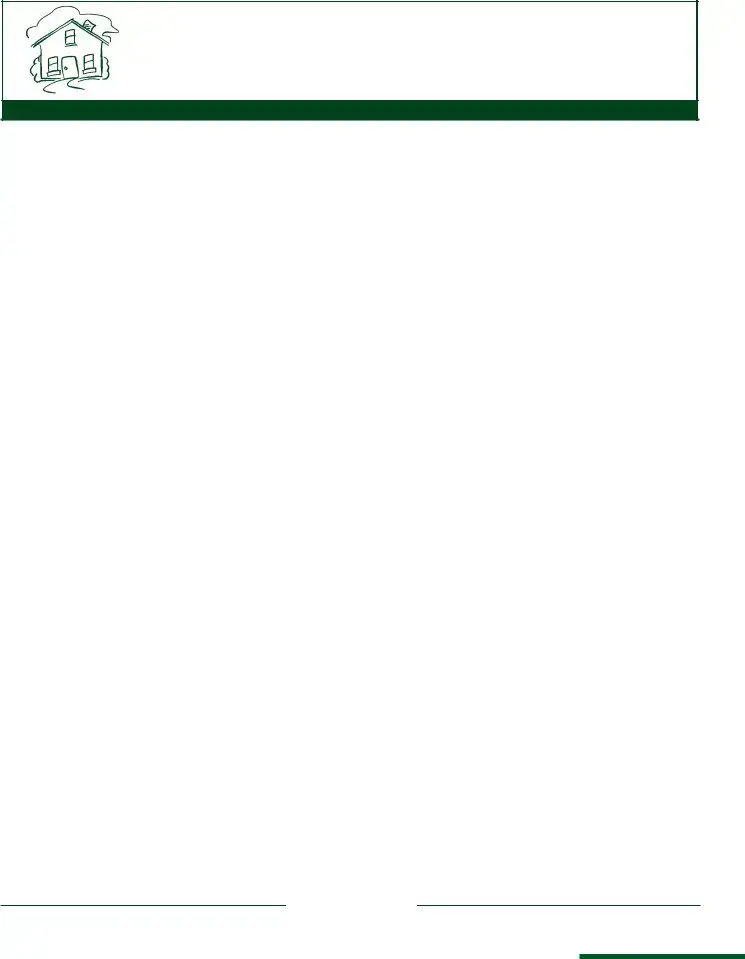
By initialing as provided, Tenant acknowledges the receipt of the following documents (copies of which are
attached hereto) and are incorporated herein by reference:
______ House Rules ______ Megan’s Law
______ Inventory & Condition Report ______ Furniture Inventory & Condition Report
______ Repair / Replacement Agreement ______ Lead Paint Disclosure
______ Maintenance Request Form ______ Inventory of Personal Property
______ Other: _____________________ ______ Other: ______________________
The undersigned have read the foregoing Lease prior to execution & acknowledge receipt of a copy.
Dated this ____ day of ________________, of the year __________
Tenant(s) Signature(s):
_________________________________________________________________ ___________________
1st Tenant Date
_________________________________________________________________ ___________________
2nd Tenant Date
_________________________________________________________________ ___________________
3rd Tenant Date
Property Provider’s Signature:
_________________________________________________________________ ___________________
Full Name Date
RENTAL AGREEMENT FOR ROOM IN A PRIVATE HOME, PAGE 2
Sample Form

Form Information

Fact Name Description
Purpose The California Agreement Room form is used for renting a room in a private home.
Parties Involved The agreement is between the Property Provider and the Tenant.
Monthly Rent The form specifies the monthly rent amount and the due date for payment.
Security Deposit A security deposit is required, which may include the last month’s rent.
Notice Period Both parties must provide written notice to terminate the agreement or raise rent.
Governing Law This agreement is governed by California state law regarding rental agreements.

Detailed Guide for Filling Out California Agreement Room

Once you have gathered all necessary information, you can begin filling out the California Agreement Room form. Make sure to provide accurate details to avoid any potential issues later on. The following steps will guide you through the process of completing the form.

  1. At the top of the form, write the name of the Property Provider in the designated space.
  2. Next, fill in the Tenant's name in the appropriate section.
  3. Provide the address of the rental room where indicated.
  4. Enter the monthly rent amount in the specified field.
  5. Indicate the day of the month when the rent is due.
  6. Fill in the security deposit amount, including whether it covers the Last Month’s Rent.
  7. Record the date when the security deposit was paid.
  8. Mark the services that the Property Provider agrees to offer, such as electricity, gas, and internet service.
  9. List any additional services provided by the Property Provider, if applicable.
  10. Write down the House Rules and any additional rules that are attached to the agreement.
  11. Provide the names and phone numbers of emergency contacts authorized by the Tenant.
  12. Initial next to each document that the Tenant acknowledges receiving.
  13. Finally, have all parties sign and date the agreement at the bottom of the form.

Obtain Answers on California Agreement Room

  1. What is the California Agreement Room form?

    The California Agreement Room form is a rental agreement specifically designed for individuals renting a room in a private home. It outlines the responsibilities and rights of both the property provider and the tenant, including rental terms, payment schedules, and house rules.

  2. Who are the parties involved in this agreement?

    The agreement is between two main parties: the Property Provider, who owns or manages the property, and the Tenant, who is renting the room. Both parties must provide their names and signatures to validate the agreement.

  3. What details are included in the rental agreement?

    The rental agreement includes:

    • The address of the rental property.
    • The monthly rent amount and payment due date.
    • The security deposit amount and conditions for its return.
    • Notice periods for raising rent or terminating the tenancy.
    • House rules and any additional agreements.
  4. What are the notice requirements for terminating the tenancy?

    The property provider must give the tenant a written notice 30 days in advance to raise rent or change terms. If the tenant has lived there for at least one year, a 60-day notice is required for termination. Conversely, the tenant must provide 30 days written notice if they intend to vacate the premises.

  5. What is the security deposit policy?

    The security deposit amount is specified in the agreement and may include last month’s rent. The property provider must refund this deposit within 21 days after the tenant moves out, minus any reasonable charges for cleaning or damages caused by the tenant or their guests.

  6. What responsibilities does the tenant have regarding room maintenance?

    The tenant is responsible for keeping the room safe, clean, and sanitary. The property provider may enter the room for repairs with 24 hours advance written notice, except in emergencies.

  7. What documents must the tenant acknowledge receipt of?

    The tenant must acknowledge receipt of various documents, including:

    • House Rules
    • Megan’s Law
    • Inventory & Condition Report
    • Furniture Inventory & Condition Report
    • Repair / Replacement Agreement
    • Lead Paint Disclosure
    • Maintenance Request Form
    • Inventory of Personal Property

    Additional documents may also be included as specified in the agreement.

  8. How can I contact the UCSB Community Housing Office for more information?

    For additional questions or assistance, you can reach the UCSB Community Housing Office by phone at 805-893-4371 or via email at [email protected]. More information can also be found on their website at www.housing.ucsb.edu.

Common mistakes

When filling out the California Agreement Room form, individuals often make several common mistakes that can lead to complications later on. One significant error is failing to provide complete and accurate information in the designated fields. Each section of the form requires specific details about both the property provider and the tenant. Omitting crucial information, such as the full names or contact details, can result in misunderstandings or disputes regarding the rental agreement.

Another frequent mistake involves the incorrect calculation or omission of the monthly rent and security deposit amounts. It is essential for both parties to agree on these figures before signing the agreement. If the amounts are left blank or inaccurately filled in, it could lead to confusion about the financial obligations of the tenant. Additionally, neglecting to indicate whether the security deposit includes the last month's rent can complicate the financial arrangements further.

People also often overlook the importance of understanding the notice periods required for terminating the tenancy. The form stipulates that the property provider must give 30 days' written notice to the tenant, while the tenant must also provide a 30-day notice of intent to vacate. Failing to acknowledge these requirements can lead to premature termination of the agreement or unexpected financial liabilities.

House rules and additional provisions are another area where mistakes frequently occur. Tenants may neglect to read or acknowledge the house rules outlined in the agreement. By not initialing or signing off on these rules, tenants may inadvertently agree to terms they do not fully understand or accept. This oversight can lead to conflicts regarding behavior and responsibilities during the tenancy.

Furthermore, individuals sometimes forget to provide emergency contact information. The form requires tenants to authorize the property provider to contact specific individuals in case of emergencies. Not including this information can hinder the property provider's ability to respond effectively during urgent situations, potentially compromising the tenant's safety and well-being.

Lastly, failing to sign and date the agreement correctly is a common oversight. Both tenants and property providers must ensure that their signatures and the date of execution are clearly indicated. Incomplete signatures can render the agreement invalid, leading to potential legal issues in the future. Careful attention to these details is crucial for a smooth rental experience.

Documents used along the form

The California Agreement Room form is an essential document for establishing the rental relationship between a property provider and a tenant. However, it often accompanies several other forms and documents that help clarify responsibilities, rights, and expectations. Here’s a list of commonly used documents that enhance the rental agreement process in California.

  • House Rules: This document outlines the specific rules and regulations that tenants must follow while residing in the rental property. It may cover noise levels, guest policies, and maintenance responsibilities.
  • Megan’s Law Disclosure: This is a legal requirement in California that informs tenants about registered sex offenders in the area. It helps tenants make informed decisions regarding their safety and security.
  • Inventory & Condition Report: This report details the condition of the property and its furnishings at the time of move-in. It serves as a reference for both parties when assessing any damages upon move-out.
  • Furniture Inventory & Condition Report: Similar to the general inventory report, this document specifically focuses on the condition of furniture provided by the property provider. It helps ensure that any damages to furniture are documented and addressed.
  • Repair / Replacement Agreement: This agreement outlines the responsibilities of both the tenant and the property provider regarding repairs and replacements needed during the tenancy. It clarifies who is responsible for what, reducing potential disputes.
  • Lead Paint Disclosure: Required for properties built before 1978, this disclosure informs tenants about the potential presence of lead-based paint, which can pose health risks. It ensures that tenants are aware and can take necessary precautions.
  • Maintenance Request Form: This form allows tenants to formally request repairs or maintenance needed in the rental unit. It provides a clear record of requests made and helps ensure timely responses from the property provider.

These documents, when used alongside the California Agreement Room form, create a comprehensive framework for a successful rental experience. They clarify expectations and protect the rights of both tenants and property providers, fostering a harmonious living arrangement.

Similar forms

  • Residential Lease Agreement: Similar to the California Agreement Room form, a Residential Lease Agreement outlines the terms and conditions for renting a residential property. It includes details such as rent amount, security deposits, and responsibilities of both the landlord and tenant.
  • Roommate Agreement: This document establishes the rules and responsibilities among roommates sharing a rental space. Like the California Agreement Room form, it covers rent, security deposits, and shared responsibilities, ensuring clarity among all parties involved.
  • Rental Application: A Rental Application is used by potential tenants to provide their information to landlords. While it does not govern the rental terms like the California Agreement Room form, it serves as a preliminary step in the rental process, assessing tenant eligibility.
  • Lease Addendum: A Lease Addendum modifies or adds terms to an existing lease agreement. Similar to the California Agreement Room form, it can specify additional rules or conditions that both parties must follow during the tenancy.
  • Security Deposit Agreement: This document outlines the terms regarding the security deposit, including how much is required and conditions for its return. It parallels the California Agreement Room form in its focus on financial responsibilities between the tenant and property provider.
  • Property Management Agreement: A Property Management Agreement details the relationship between property owners and management companies. It shares similarities with the California Agreement Room form in establishing responsibilities, although it typically focuses on management tasks rather than tenant agreements.
  • Eviction Notice: An Eviction Notice is used to inform a tenant of the intent to terminate their tenancy. While it serves a different purpose, it relates to the California Agreement Room form by enforcing the terms of the rental agreement and ensuring compliance with notice requirements.

Dos and Don'ts

When filling out the California Agreement Room form, it is important to approach the task with care. Here are some guidelines to follow:

  • Read the entire form carefully. Understanding each section will help ensure accurate completion.
  • Provide complete information. Fill in all required fields, including names, addresses, and dates.
  • Double-check for accuracy. Review the information entered to avoid any mistakes that could lead to misunderstandings.
  • Sign and date the form. Ensure that all parties involved sign and date the agreement to validate it.
  • Attach required documents. Include any necessary attachments, such as House Rules or disclosures, as indicated in the form.
  • Keep a copy for your records. After submitting the form, retain a copy for future reference.

Conversely, there are several actions to avoid when filling out the form:

  • Do not leave any blank spaces. Every section that requires information should be filled out completely.
  • Avoid using unclear language. Be specific and precise in your descriptions to prevent ambiguity.
  • Do not rush through the process. Taking your time can help you avoid mistakes and ensure clarity.
  • Do not forget to communicate with all parties involved. Ensure that both the Property Provider and Tenant are on the same page regarding terms.
  • Refrain from making alterations to the form. If changes are needed, it is best to discuss them with the other party before making any edits.
  • Do not ignore deadlines. Pay attention to any time-sensitive actions, such as providing notice or making payments.

Misconceptions

Misconceptions about the California Agreement Room form can lead to confusion for both tenants and property providers. Here are ten common misconceptions, along with clarifications:

  1. It is only for students. Many believe this form is exclusively for students at UCSB. In reality, it is available for any tenant renting a room in a private home.
  2. Rent cannot be increased. Some tenants think that once the rent is set, it cannot change. However, property providers can raise rent with 30 days written notice.
  3. Security deposits are non-refundable. A common myth is that security deposits are always kept by the property provider. In fact, deposits must be refunded within 21 days after move-out, minus any reasonable charges for damages.
  4. Property providers can enter the room anytime. Tenants often assume property providers have unrestricted access. The form clearly states that property providers must give 24-hour notice, except in emergencies.
  5. House rules are optional. Some tenants think house rules can be ignored. However, both parties must agree to honor the house rules outlined in the agreement.
  6. Tenants can leave without notice. Many believe they can vacate without informing the property provider. Tenants must provide 30 days written notice of their intent to leave.
  7. Only one signature is needed. Some assume that only one tenant's signature is sufficient. All tenants listed on the agreement must sign for it to be valid.
  8. The agreement is not legally binding. There is a misconception that this form is just a suggestion. In fact, it is a legally binding agreement once signed by both parties.
  9. Utilities are always included. Tenants may think all utilities are included in the rent. The agreement specifies which utilities are provided, and this can vary.
  10. Last month’s rent is mandatory. Some tenants believe that paying last month’s rent is required. The form allows for this option but does not mandate it.

Key takeaways

When filling out and using the California Agreement Room form, it’s important to keep several key points in mind. These takeaways can help ensure a smooth process for both property providers and tenants.

  • Complete All Sections: Ensure that every section of the form is filled out completely. Missing information can lead to confusion or disputes later on.
  • Understand Rent and Deposits: Clearly state the monthly rent and security deposit amounts. Be aware of how and when these payments are due, as well as the conditions for refunding the security deposit.
  • Notice Requirements: Familiarize yourself with the notice periods required for raising rent or terminating the tenancy. Both parties must adhere to these timelines to avoid misunderstandings.
  • House Rules: Review and agree upon the house rules. These rules should be documented and signed to ensure that both parties understand their responsibilities and expectations.
  • Document Acknowledgment: Initial the receipt of all attached documents. This acknowledgment shows that both the tenant and property provider are informed about important regulations and agreements.

By following these guidelines, both parties can foster a positive rental experience while minimizing potential conflicts.