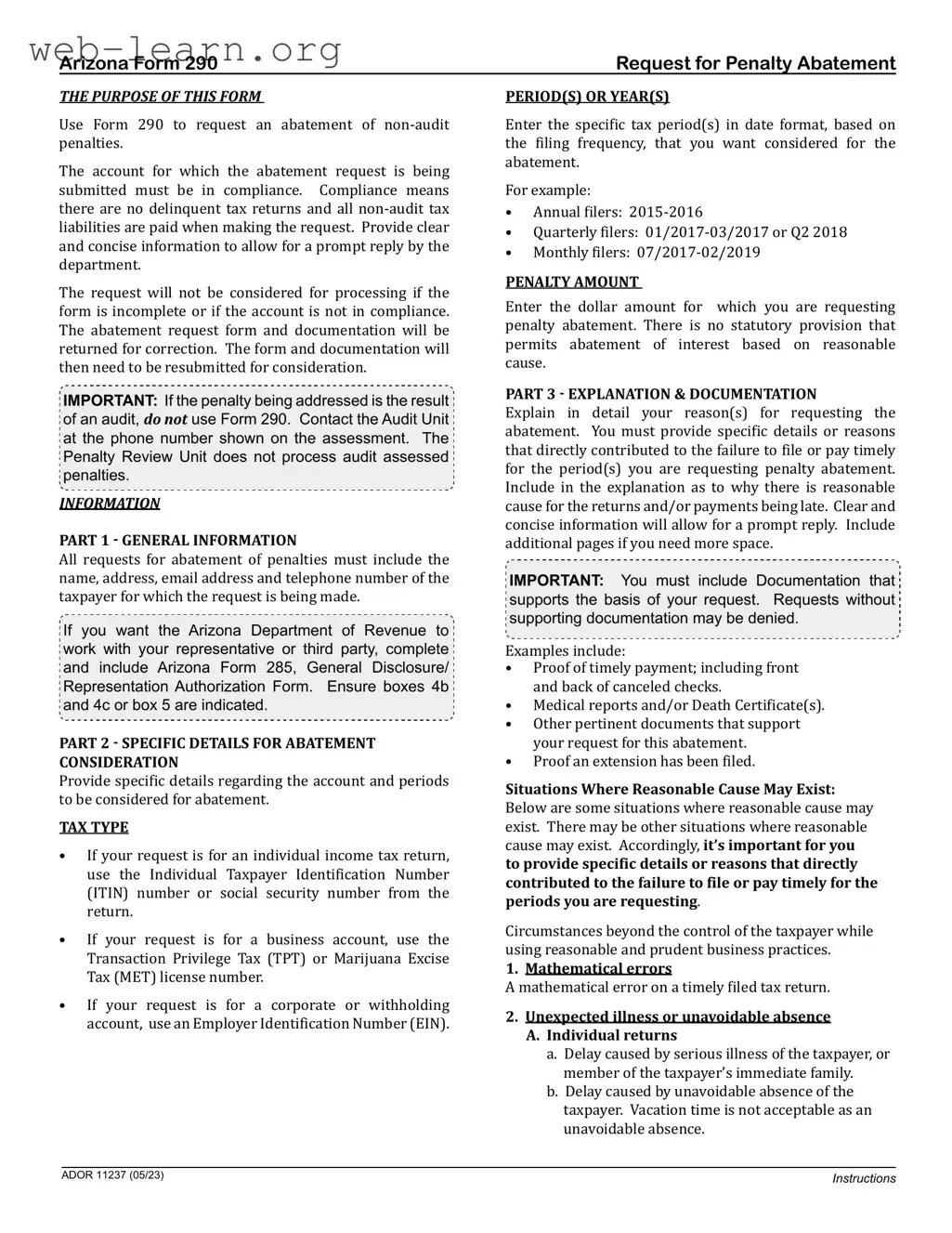
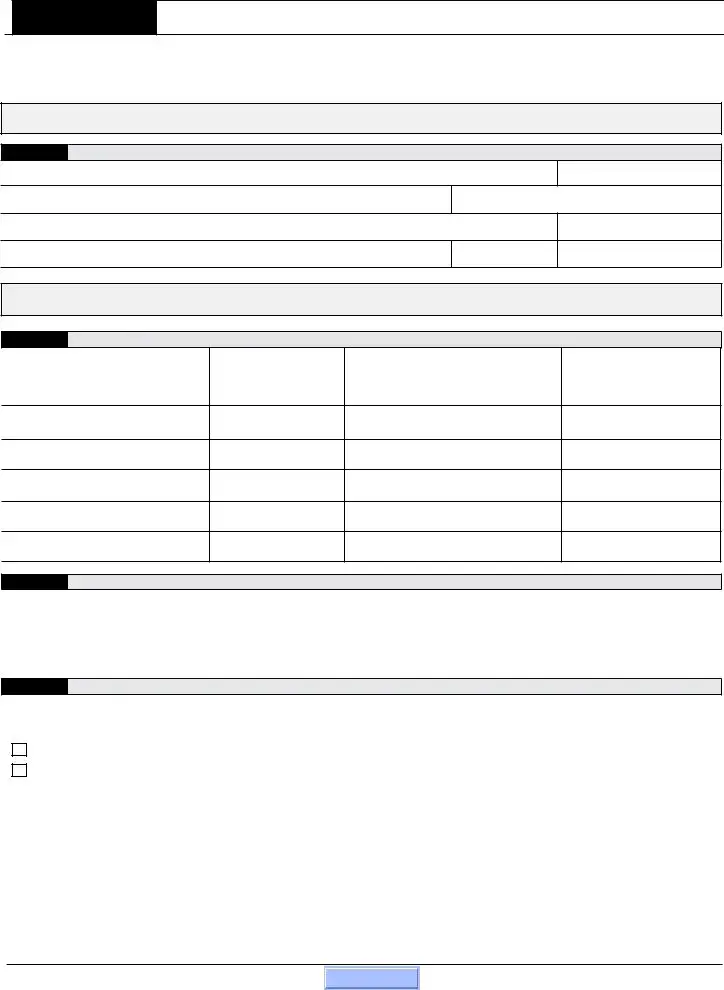
The Arizona Form 290, known as the Request for Penalty Abatement, serves as a vital tool for taxpayers seeking relief from certain penalties imposed by the Arizona Department of Revenue. This form is specifically designed for non-audit penalties, allowing individuals and businesses to request an abatement when they believe their penalty was incurred due to reasonable cause rather than willful neglect. The form is divided into several parts, beginning with general information about the taxpayer, including their name, contact details, and address. It also requires taxpayers to specify the type of tax involved, such as individual income tax or corporate income tax, along with the relevant taxpayer identification numbers and the amount of penalty being contested. In the explanation section, taxpayers must provide a detailed account of the circumstances leading to the penalty, supported by appropriate documentation. This could include canceled checks, tax returns, or medical records, among other pertinent documents. Finally, the form requires signatures from authorized individuals, ensuring that all submissions are legitimate and accountable. Properly completing and submitting Form 290 can facilitate a smoother process in addressing penalties, offering taxpayers a chance to resolve their issues with the Arizona Department of Revenue efficiently.


| Fact Name | Description |
|---|---|
| Purpose | The Arizona Form 290 is used to request an abatement of non-audit penalties imposed by the Arizona Department of Revenue. |
| Governing Law | The form is governed by Arizona Revised Statutes § 42-2003(A) and § 42-1127(B)(2). |
| Eligibility | Taxpayers can request abatement if the penalty was due to reasonable cause and not willful neglect. |
| Supporting Documents | Requests must include documentation that supports the reason for the abatement, such as canceled checks or medical reports. |
| Signature Requirement | The form must be signed by the taxpayer or authorized representative. Joint filers both need to sign if applicable. |
| Submission Details | Completed forms should be mailed or faxed to the Penalty Review Unit at the Arizona Department of Revenue. |
Filling out Arizona Form 290 is an important step for taxpayers seeking to request an abatement of penalties. The process involves providing specific information about your tax situation and the reasons for your request. Following the steps below will help ensure that you complete the form correctly and submit it for consideration.
After submitting your request, allow up to six weeks for processing. Be sure to keep a copy of the completed form and any documentation for your records. This will help you track your request and provide a reference if needed in the future.
What is Arizona Form 290?
Arizona Form 290 is a request for penalty abatement. Taxpayers use this form to ask the Arizona Department of Revenue to remove penalties imposed on their tax accounts. The request must demonstrate that the penalty was due to reasonable cause and not willful neglect.
Who can use Form 290?
Any taxpayer who has incurred a penalty for non-audit reasons can use Form 290. This includes individuals, corporations, partnerships, and other entities. If the penalty arises from an audit, you must contact the Audit Unit directly instead of using this form.
What information is required on the form?
You must provide the following details:
What kind of documentation should I include?
Supporting documents are crucial for your request to be considered. Examples include:
How long does it take to process Form 290?
Processing can take up to six weeks. Ensure you submit all required information and documentation to avoid delays.
What happens if my request is denied?
If your request for abatement is denied, you will receive a notification from the Arizona Department of Revenue. You may then consider appealing the decision or addressing the penalty through other means.
Do I need to sign the form?
Yes, the form must be signed by the taxpayer or an authorized representative. If it's a joint return, both spouses must sign. Corporations, partnerships, and other entities have specific signing requirements based on their structure.
Where do I send Form 290?
Mail or fax your completed Form 290 to:
PENALTY REVIEW UNIT, DIVISION 9
ARIZONA DEPARTMENT OF REVENUE
1600 W MONROE ST
PHOENIX AZ 85007-2612
Fax No. 602-771-9912
Can I have a representative handle my request?
Yes, if you want a representative to communicate with the Arizona Department of Revenue on your behalf, you must complete and include Arizona Form 285, the General Disclosure/Representation Authorization Form.
Filling out the Arizona Form 290 for penalty abatement can be a straightforward process, but many people make common mistakes that can delay their request or lead to outright denial. Understanding these pitfalls can help ensure your application is processed smoothly.
One frequent error is failing to provide complete contact information. The form requires not only the taxpayer's name but also their daytime phone number and address. Incomplete information can hinder the Arizona Department of Revenue's ability to reach you for clarifications or updates.
Another mistake often seen is not selecting the correct tax type. The form includes various tax types, such as Individual Income Tax and Corporate Income Tax. If you choose the wrong category, it can lead to confusion and delay in processing your request.
Many applicants also forget to include specific periods or years for which they are requesting abatement. Clearly indicating the relevant tax period is essential for the review process. Without this information, your request may be deemed incomplete.
Providing insufficient explanations is another common error. In Part 3 of the form, you must explain the reasonable cause for your penalty. Vague or unclear reasons can result in a denial. It’s important to be thorough and precise in your explanation.
Documentation is crucial. Failing to include supporting documents can lead to immediate rejection of your request. Examples of acceptable documentation include canceled checks, medical reports, or any other pertinent documents that substantiate your claim for abatement.
Additionally, some individuals neglect to sign the form. A signature is necessary to validate your request. If the form is not signed, it will not be processed, regardless of how complete the other sections may be.
Another mistake involves not including Arizona Form 285 when applicable. If you want the Department of Revenue to communicate with a representative on your behalf, this form must accompany your request. Omitting it can complicate matters significantly.
Lastly, applicants often overlook the mailing instructions. It is essential to send the completed form to the correct address and to allow adequate time for processing. Sending it to the wrong location can cause unnecessary delays.
By being mindful of these common mistakes, you can enhance your chances of a successful penalty abatement request. Taking the time to carefully review your application before submission can save you from potential headaches in the future.
The Arizona Form 290 is utilized for requesting the abatement of penalties imposed by the Arizona Department of Revenue. When submitting this form, several other documents may be required or helpful in supporting the request. Below is a list of other forms and documents that are often used in conjunction with Form 290.
In summary, when submitting Form 290 for penalty abatement, it is crucial to include any relevant supporting documents. These documents not only substantiate the claims made in the request but also enhance the chances of a favorable outcome from the Arizona Department of Revenue.
The Arizona Form 290, used for requesting penalty abatement, shares similarities with several other documents related to tax and financial matters. Below is a list of ten documents that are comparable to Form 290, along with an explanation of how they are similar.
Each of these documents serves a distinct purpose but shares common elements with Arizona Form 290, such as the need for clear explanations, taxpayer identification, and appropriate documentation to support requests.
When filling out the Arizona Form 290 for penalty abatement, it’s important to follow specific guidelines to ensure your application is processed smoothly. Here are ten things to consider:
By following these guidelines, you can improve your chances of a successful abatement request. Take your time and ensure everything is filled out correctly.
Understanding the Arizona Form 290 can be challenging, especially with the various misconceptions surrounding it. Here are seven common myths debunked:
This is incorrect. Form 290 is specifically for requesting abatement of non-audit penalties. If your penalty arises from an audit, you must contact the Audit Unit instead.
In reality, supporting documentation is crucial. Without it, your request may be denied. Acceptable documents include canceled checks, tax returns, and medical reports.
An explanation detailing the reasonable cause for the late returns or payments is mandatory. Clear and concise information will facilitate a quicker response.
This form can be used by various entities, including corporations, partnerships, and trusts. Each type of entity has specific signing requirements that must be followed.
Form 290 must be sent specifically to the Penalty Review Unit at the Arizona Department of Revenue. Ensure you have the correct fax number for submission.
In fact, allow up to six weeks for processing. Patience is essential as the review process can take time.
While it’s important to allow time for processing, you can follow up if you have concerns or need updates on your request.
By clearing up these misconceptions, taxpayers can navigate the abatement process more effectively and avoid unnecessary complications.
Key Takeaways for Filling Out Arizona Form 290